
Diseases
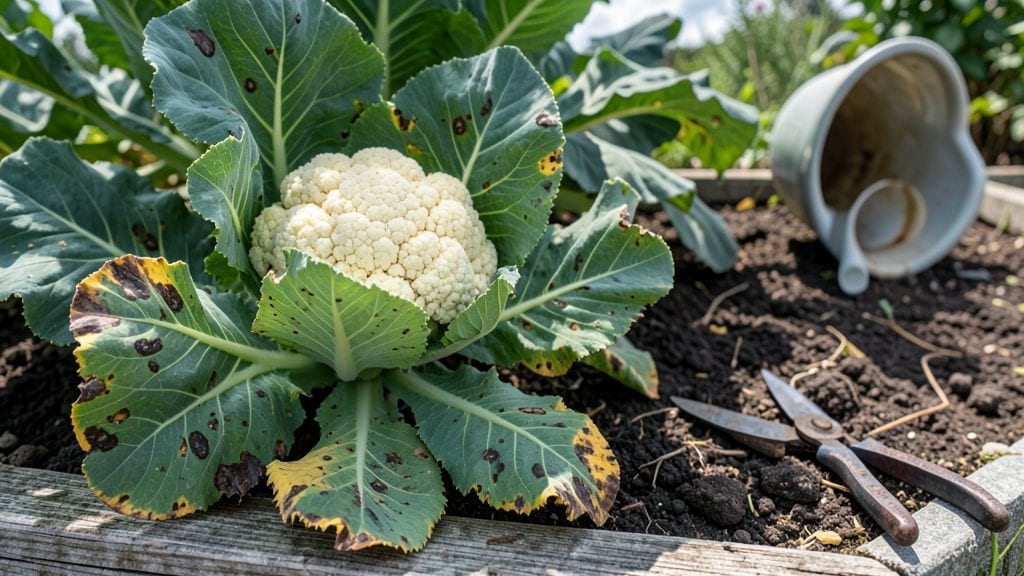
Cauliflower plant diseases can turn your lush heads into sad, yellowing stubs faster than you can say "harvest." I’ve lost more cauliflower crops to sneaky pathogens than I’d like to admit—until I learned to spot the warning signs early.
The key isn’t just treating symptoms; it’s catching problems before they spread, and that starts with knowing what to watch for in your plants.
Most of these diseases—clubroot, black rot, downy mildew—thrive in damp, crowded conditions, and they don’t care if you’ve grown cauliflower before. The good news?
With fast action, you can save up to 70% of your plants by combining organic sprays (like copper or neem oil) with simple preventive habits, like rotating crops and keeping soil healthy. No lab tests or fancy tools required.
You’ll recognize the damage within 7-10 days of proper treatment: firmer stems, brighter leaves, and heads that actually form instead of rotting. The secret weapon? A mix of resistant varieties (like ‘Snowball Y Improved’) and a strict watering schedule—never letting soil stay soggy for more than a day.
Trust me, your future self will thank you when you’re staring at a garden full of tight, white curds instead of a sad, wilted mess.
This works whether you’re growing in raised beds, containers, or the ground—just adjust your spacing and watering slightly. Let’s turn those disease warnings into actionable steps before your next harvest.
Root Causes Behind Plant Struggles
Cauliflower plants, with their delicate heads and nutrient demands, are particularly vulnerable to diseases when environmental or biological conditions align just right. Understanding why these issues arise helps you take preventive action before problems escalate.
Let’s break down the key culprits—each one a puzzle piece in the bigger picture of plant health.
Cauliflower thrives in cool, moist conditions, but when weather veers too far from ideal, diseases capitalize on the chaos.
- Excessive Moisture: Prolonged dampness—whether from rain, poor drainage, or overhead watering—creates the perfect breeding ground for fungal pathogens like black rot (Xanthomonas campestris) and downy mildew (Peronospora).
Fungal spores splash onto leaves, germinate, and infect plants within 24–48 hours in humid conditions. - Why it matters: Fungi thrive in 70–85°F temperatures with high humidity (above 75%). If your garden stays soggy, fungal spores multiply exponentially, turning leaves into a smorgasbord.
- Temperature Swings: Sudden heatwaves or frost can weaken cauliflower’s defenses.
For example, clubroot (Plasmodiophora brassicae) spores lie dormant in soil until temperatures rise above 60°F, then germinate and infect roots, stunting growth. - Pro tip: Monitor your local weather and mulch heavily during heatwaves to stabilize soil temps.
- Poor Air Circulation: Dense plantings or shaded areas trap moisture, fostering bacterial soft rot (Erwinia carotovora). The bacteria thrive in stagnant, oxygen-poor zones, breaking down plant tissues into mushy, foul-smelling messes.
Diseases don’t just appear—they invade. Here’s how pathogens sneak in:
- Contaminated Tools or Soil: Fungal spores and bacterial cells hitchhike on dirty pruners, gloves, or even compost. Black rot, for instance, can survive in soil for years and spreads via infected seed or plant debris.
- Actionable fix: Sterilize tools with 70% isopropyl alcohol or a 10% bleach solution between uses.
- Insect Vectors: Aphids, flea beetles, and cabbage worms don’t just munch—they spread viruses like cauliflower mosaic virus (CaMV).
These pests feed on infected plants, then transmit the virus to healthy ones via their saliva. - Watch for: Stunted growth, yellow mosaic patterns on leaves, or curled foliage—classic CaMV symptoms.
- Seed-Borne Diseases: Some pathogens, like white rust (Albugo candida), lurk inside seeds. If you’re using saved seeds or untreated stock, you’re rolling the dice on introducing diseases directly to your garden.
Cauliflower is a heavy feeder, and imbalances invite trouble:
- Nitrogen Deficiency: Pale, yellowing leaves signal low nitrogen, weakening the plant’s immune response. Alternaria leaf spot (Alternaria brassicae) exploits this, thriving on stressed foliage.
- Solution: Side-dress with compost or blood meal for a quick nitrogen boost—but avoid overdoing it, as excess nitrogen promotes lush, disease-prone growth.
- Calcium Shortages: Poor calcium availability leads to blossom end rot (yes, even in cauliflower!) and clubroot, as calcium strengthens cell walls. Symptoms include black, sunken lesions on heads or distorted, swollen roots.
- Fix: Apply gypsum (calcium sulfate) or crushed eggshells to soil before planting.
- Soil pH Imbalances: Cauliflower prefers neutral to slightly acidic soil (pH 6.0–7.0).
If your soil is too alkaline (pH >7.5), manganese and iron deficiencies occur, making plants more susceptible to powdery mildew (Erysiphe cruciferarum). - Test it: Use a soil pH kit or send a sample to your local extension office.
Neglecting garden hygiene is like leaving the front door unlocked for pathogens. Here’s how:
- Lack of Crop Rotation: Planting brassicas (cauliflower, cabbage, broccoli) in the same spot year after year exhausts soil nutrients and builds up soil-borne pathogens like clubroot or fusarium wilt.
- Rule of thumb: Rotate cauliflower with non-brassica crops (e.g., legumes, grasses) every 3–4 years.
- Infected Debris Left Behind: Old plant stems, leaves, or diseased heads harbor spores and bacteria. Black rot, for example, overwinters in debris, ready to reinfect the next crop.
- Cleanup protocol: Remove all plant waste, compost it separately (if not severely infected), and avoid using it until it’s fully decomposed (6+ months).
- Water Contamination: Using untreated water from ponds, rain barrels, or recycled greywater can introduce Pythium or Phytophthora root rots. These water molds thrive in standing water, cutting off nutrient uptake and causing wilting or sudden collapse.
Key Takeaway: Most cauliflower diseases are opportunistic—they exploit weaknesses caused by environmental stress, poor practices, or biological invaders. By addressing these root causes, you’re not just treating symptoms; you’re starving the problem at its source. 🚫🍄🦠
Quick Fixes for Sick Cauliflower Plants
When your cauliflower crop shows signs of distress, acting fast can mean the difference between saving your harvest and losing it. Below are practical, step-by-step solutions tailored to the most common diseases, along with prevention tips to keep your plants thriving.
Let’s turn those wilted leaves and spots into healthy, curd-filled victories!
Cause: Xanthomonas campestris bacteria clogs vascular tissues, causing yellow V-shaped patterns. How to Treat It:
- 🔪 Prune & Dispose Remove infected leaves immediately and burn or trash them (do not compost). This stops the bacteria from spreading to other plants.
- 💦 Copper Spray Rescue Mix 1 tbsp copper fungicide (like copper sulfate) with 1 gallon of water and spray both the leaves and soil at the base. Repeat every 7–10 days until symptoms fade.
- 🌡️ Soil Sterilization After harvest, solarize the soil (cover with clear plastic for 4–6 weeks in hot sun) to kill lingering bacteria. Rotate crops—never plant brassicas (cauliflower, cabbage, broccoli) in the same spot for 3 years.
💡 Prevention Pro Tip:
- 🚰 Use drip irrigation (not overhead watering) to keep leaves dry.
- 🌱 Choose resistant varieties like ‘Purple of Sicily’ or ‘Snowball Y Improved.’
Cause: Plasmodiophora brassicae fungi distort roots, stunting growth and causing wilting. How to Treat It:
- 👨🍳 Soil pH Adjustment Club root thrives in acidic soil (pH < 7.0). Test your soil and raise pH to 7.2–7.8 using:
- Lime (calcium carbonate) – Apply 5–10 lbs per 100 sq ft and mix into the top 6 inches.
- Wood ash (sparingly) for a quick fix.
- 🌱 Resistant Varieties Plant club root-resistant cauliflower like ‘Snowball 80’ or ‘Crystal Head.’ If your soil is heavily infected, consider container gardening with sterile potting mix.
- 🚫 Crop Rotation + Solarization Avoid planting brassicas in infected beds for 4+ years. After harvest, solarize the soil (as above) to weaken the pathogen.
💡 Prevention Pro Tip:
- 📊 Monitor soil pH yearly—club root can re-emerge if pH drops.
- 🌿 Avoid over-fertilizing with nitrogen—it worsens root damage.
Cause: Hyaloperonospora brassicae fungi create white, cottony patches on undersides of leaves. How to Treat It:
- 🍳 Baking Soda Spray Mix 1 tbsp baking soda + 1 tsp horticultural oil + 1 gallon water. Spray every 5–7 days at dawn (to avoid sunburn). Works best in humid conditions!
- 🌿 Improve Airflow Space plants 18–24 inches apart and prune lower leaves to reduce humidity near the soil.
- 🔥 Fungicide Rotation Alternate between copper fungicide and neem oil spray (1 tsp neem oil + 1 quart water) weekly.
💡 Prevention Pro Tip:
- ⏰ Plant in late summer/fall to avoid peak mildew season (spring humidity).
- 🌱 Use row covers to block spores if mildew is rampant in your area.
Cause: Erysiphe cruciferarum fungi coats leaves in white powder, reducing photosynthesis. How to Treat It:
- 🌿 Neem Oil Blast Spray 1 tsp neem oil + 1 tsp baking soda + 1 quart water every 5 days. Cover both leaf surfaces.
- 💦 Water in the Morning Wet leaves early in the day so they dry by evening (powdery mildew loves moisture).
- 🍄 Beneficial Fungi Boost Apply Trichoderma harzianum (a natural fungus fighter) to soil to outcompete mildew spores.
💡 Prevention Pro Tip:
- 🌱 Plant mildew-resistant varieties like ‘Chef’ or ‘Graffiti’ cauliflower.
- 🎯 Avoid overhead watering—use a soaker hose instead.
Cause: Alternaria fungi create concentric rings or dark spots with yellow halos. How to Treat It:
- 🍳 Chlorothalonil Spray Use fixed copper or chlorothalonil fungicide (like Daconil) every 10–14 days until new growth appears.
- 🌱 Remove & Replace Destroy infected leaves and thin plants for better airflow.
- 🌡️ Soil Care Ensure balanced fertility—over-fertilizing with nitrogen stresses plants, making them susceptible.
💡 Prevention Pro Tip:
- 🌿 Mulch with straw to reduce spore splash from soil.
- ✨ Rotate crops with non-brassicas (like beans or tomatoes) to break the disease cycle.
No matter the disease, these universal fixes will strengthen your cauliflower’s resilience:
- 💧 Water at the Base Avoid wetting leaves to prevent spore spread. Use drip irrigation or a watering can with a spout.
- 🌿 Crop Rotation Never plant cauliflower in the same spot two years in a row. Wait 3+ years before replanting brassicas.
- 🌱 Healthy Soil = Healthy Plants
- Add compost for nutrients.
- Test soil pH and nutrient levels annually.
- Avoid fresh manure (can harbor pathogens).
- 🔍 Early Detection Inspect plants weekly—catch diseases before they spread. Look for:
- Yellowing (black rot, club root)
- White fuzz (downy mildew)
- Dark spots (Alternaria)
- 🛡️ Preventative Sprays
- Neem oil (fungicidal & insecticidal)
- Baking soda spray (for mildews)
- Copper fungicide (for bacterial diseases)
🎯 Final Victory Tip: If a disease persists despite treatment, consider switching to disease-resistant varieties or growing in containers with sterile soil. A little prevention goes a long way—healthy plants fight back! 🚀
Frequently asked questions about cauliflower plant diseases
How do I tell if my cauliflower has a fungal disease vs. bacterial disease?
Fungal diseases like powdery mildew or downy mildew often appear as white, fuzzy patches or yellow spots on leaves. Bacterial infections (such as black rot) show up as V-shaped yellow patterns or water-soaked lesions that ooze when touched. Fungal issues spread slower and thrive in damp conditions, while bacteria spread faster and often cause wilting or stunted growth.
Can I still harvest cauliflower that shows disease symptoms?
Only harvest heads that are fully formed and firm—never pick diseased leaves or stems. If the head itself is healthy but leaves are infected, trim the leaves and use the head. For severe infections like clubroot or black rot, remove the entire plant to prevent spread. Always wash harvested heads thoroughly before eating.
Why does my cauliflower keep getting powdery mildew even after treatment?
Powdery mildew often returns if humidity stays high or airflow is poor. Try these fixes: space plants 18–24 inches apart, water at the base (not overhead), and rotate crops to break the disease cycle. For stubborn cases, switch to resistant varieties like ‘Graffiti’ or apply neem oil + baking soda sprays every 5 days.
Is it safe to compost diseased cauliflower plants?
No—never compost severely infected plants (especially bacterial or fungal diseases). Pathogens can survive composting and reinfect your garden. Instead, bag and trash diseased material or burn it if possible. For mild cases, compost only healthy plant parts separately and let it heat to 140°F+ for 3+ days to kill spores.
How long does it take to see results from disease treatments?
Most treatments (like copper sprays or neem oil) show improvement within 7–10 days if applied correctly. For clubroot, adjusting soil pH may take 2–3 weeks to show root recovery. Prevention (like crop rotation or drip irrigation) works faster—often stopping new infections within 3–5 days of implementation.