Pruning
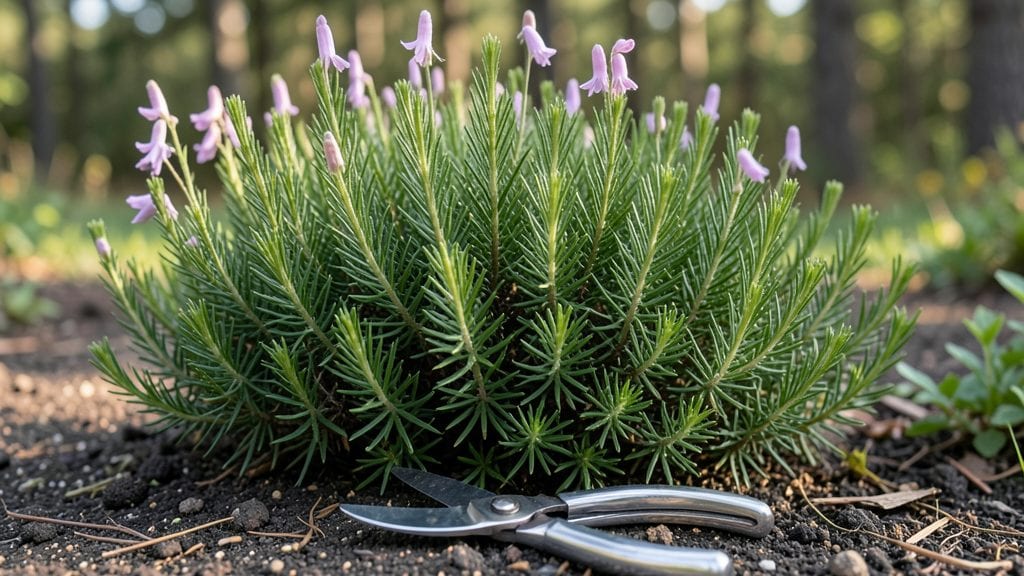
Pruning heather plants is the secret to keeping them compact, flowering, and thriving for years—no matter how old your plants get. 🌿 I’ve turned my overgrown, scraggly heathers into lush, year-round showpieces by following a simple seasonal rhythm, and it only takes about 20 minutes per plant.
The key is timing: prune at the right moment, and you’ll encourage fresh growth and blooms that last from late spring through winter.
You’ll need just a few basic tools: sharp pruning shears, gloves (heathers have tiny leaves that prick), and a small brush to clear away debris. For Calluna heathers, cut back one-third of the oldest growth after flowering, while Erica types respond better to a lighter trim in early spring.
The goal is to shape without stripping the plant—think of it like giving your heather a fresh haircut, not a buzz cut.
After pruning, your heather will bounce back with vigorous new shoots and a denser form. Within 4-6 weeks, you’ll see fresh green growth, and by next season, those same spots will burst with even more flowers.
The trick is consistency: a little trim each year keeps them from becoming woody and bare at the bottom.
This method works for heathers in containers or garden beds, in full sun or partial shade. The only rule? Never prune in late summer or fall, or you’ll cut off next year’s flower buds. Let’s get those shears ready—your heathers will thank you!
📚 In This Guide
- What you need
- Instructions
- Tips and common mistakes
- Wrapping up and next steps
What you need
- ● Sharp, bypass pruners – Choose bypass pruners (not anvil) for clean cuts. A 5-inch to 7-inch blade works best for most heather varieties.
- ○ Hand pruners (optional for small branches) – A 4-inch blade for delicate trimming.
- ● Garden shears or hedge shears – For larger heathers or shaping, opt for aluminum or stainless steel blades (avoid rust-prone materials).
- ● Gloves (cut-resistant) – Protect your hands from thorns or rough stems. Leather or heavy-duty nitrile gloves are ideal.
- ● Disinfectant (70% isopropyl alcohol or bleach solution) – Clean tools before and after pruning to prevent disease spread.
- ● Pruning saw (if needed) – For thick, woody stems (rare in heathers but useful for mature plants). A bow saw with a 7-inch blade works well.
- ● Loppers (for stubborn branches) – 8-inch to 10-inch bypass loppers for thicker growth.
- ● Pruning sealant – Helps prevent disease in cuts (though heathers usually heal well without it).
- ● String or twine – For marking sections to prune (great for beginners!).
- ● Wheelbarrow or bucket – To collect clippings and keep your workspace tidy.
- ● Knee pads or stool – For comfort, especially if your heather is ground-covering or large.
Step-by-step instructions for pruning heather plants
Here’s how I keep my heathers thriving with minimal effort—just a few strategic cuts each season.
✂️ Step 1: Prune After Spring Bloom
Timing is everything with heathers. Once the flowers fade in late spring or early summer, cut back the spent blooms to just above the first set of healthy leaves. I use sharp bypass pruners for clean cuts—dull blades tear stems and invite disease. Remove only the flowered stems; never cut into old wood, which won’t regrow.
The goal here is to encourage fresh growth. You’ll see new shoots emerging from the base within 2-3 weeks if the weather stays mild. Avoid pruning in fall—heathers need their foliage to photosynthesize through winter. If you miss spring, wait until after flowering in summer, but the plant may look less tidy.
✂️ Step 2: Lightly Shape in Late Summer
In August or early September, give your heather a light shape-up to maintain its form. Focus on removing any leggy growth or stems that look overcrowded. I trim just enough to open up the center—this prevents a dense, woody center that blocks airflow. Never remove more than one-third of the plant at once; heathers are tough but not invincible.
Watch for new growth at the tips of stems after pruning. If you see pale, spindly shoots, your plant is stretching for light—move it to a sunnier spot next year. This is also the time to check for dead wood. If a stem feels hollow or snaps easily, cut it back to the base. Healthy stems should be firm and green.
✂️ Step 3: Minimal Winter Maintenance
Heathers are evergreens, so winter care is about protection, not pruning. In late winter (February), remove any dead or damaged stems you spot. A quick once-over with pruners keeps the plant looking neat without stressing it. Avoid heavy pruning now—the plant is still dormant, and new growth won’t appear until spring.
If your heather looks ragged after winter, resist the urge to cut back hard. Instead, wait for spring blooms to guide your next prune. A light trim in late winter is enough to tidy up without sacrificing next year’s flowers. This is also the time to fertilize lightly if your soil is poor—just a sprinkle of balanced fertilizer in early spring.
✂️ Step 4: Renew Old Plants Every Few Years
Every 3-5 years, heathers need a rejuvenation prune. In early spring, cut back one-third of the oldest stems to the base. This encourages fresh growth from the center and keeps the plant compact. I do this gradually—never more than one-third at a time—to avoid shocking the plant. You’ll see new shoots emerge from the base within 4-6 weeks of spring.
This step is critical for long-lived heathers. If you skip it, the plant becomes woody and sparse. After pruning, water deeply to help the roots recover. The first year after a rejuvenation prune, your heather may look sparse, but it’ll bounce back stronger than ever. Mulch lightly with 2-3 inches of bark to protect new growth from temperature swings.
Tips & tricks for perfect heather plant pruning
Mastering heather pruning takes patience—these tricks will help you avoid common mistakes and keep your plants looking their best year after year.
Tool Selection Matters: Sharp bypass pruners are a must for clean cuts that heal properly. I learned this the hard way after using dull shears that crushed stems and left ragged edges. Sterilize your tools with rubbing alcohol between cuts to prevent spreading disease—especially important when working with multiple plants. For larger branches, I keep a small handsaw handy, but heathers rarely need it unless they're truly overgrown.
Timing is Everything: The 2-3 week window after spring blooming is critical for encouraging new growth. If you're unsure when your heather bloomed, look for faded flowers—those are your cue. For the late summer shaping in August-September, I always check the weather forecast first. Pruning right before a heatwave can stress the plant, so aim for mild days with temperatures in the 60s-70s°F.
Visual Cues for Healthy Pruning: When cutting back spent blooms in Step 1, look for the first set of healthy green leaves below the flowers. These leaves are your guide—they'll photosynthesize and fuel new growth. In Step 2, focus on stems that are noticeably thinner or leggier than others. These are the ones that need to go. I find it helpful to step back and look at the plant as a whole before making cuts—this prevents over-pruning.
Renewal Strategy: The 3-5 year rejuvenation prune might seem drastic, but it's what keeps heathers thriving long-term. I mark the oldest stems each year with a bit of twine so I know which ones to target. After cutting back one-third, I always water deeply and add 2-3 inches of bark mulch to protect the new growth. The first year after this prune, I reduce my expectations—it's normal for the plant to look sparse while it recovers.
Pro Tips for Heather Plant Pruning
- Mastering heather pruning takes patience—these tricks will help you avoid common mistakes and keep your plants looking their best year after year.
- Tool Selection Matters: Sharp bypass pruners are a must for clean cuts that heal properly.
- Timing is Everything: The 2-3 week window after spring blooming is critical for encouraging new growth.
Frequently asked questions
Got questions about keeping your heather plants thriving through pruning? We’ve got answers! Here are some of the most common concerns—plus quick tips to tackle them like a pro.
When is the best time to prune heather plants?
For Calluna and Erica heathers, late spring (after flowering) is ideal—usually May or June. Avoid pruning in autumn or winter, as this can damage new growth. Erica heathers (spring-flowering types) should be pruned right after blooms fade, while Calluna (summer/autumn bloomers) can wait until late spring.
How much should I cut back my heather plant?
Light pruning is key! Trim back about 1/3 of the oldest growth (usually the lower stems) to encourage fresh, bushy growth. Avoid over-pruning—this can leave your plant vulnerable to pests or winter damage. For severely overgrown heathers, thin out dead or woody stems first, then gradually reduce the rest over 2-3 years.
What if I prune my heather at the wrong time?
Pruning at the wrong time (e.g., mid-winter or right before flowering) can stress your plant. If you’ve already made a mistake, don’t panic! Skip pruning that season and focus on watering deeply and mulching to help recovery. Next year, stick to the late-spring timing for best results.
Can I shape my heather plant like a topiary?
Yes! Heather plants respond well to shaping, especially Calluna varieties. Use sharp shears to trim into rounded or formal shapes, but avoid cutting into old wood (it won’t regrow). For a natural look, let it grow freely and just remove dead stems. Pro tip: Prune gradually to avoid shocking the plant.
Why did my heather turn brown after pruning?
Brown tips or stems after pruning usually mean over-trimming or stress. If only the tips are brown, it’s likely from dry conditions—water thoroughly and mulch. If larger sections died back, you may have cut too aggressively. Next time, prune in stages and fertilize lightly with acidic compost to encourage recovery.
Wrapping up and next steps
Pruning your heather plant doesn’t have to be intimidating—it’s all about timing, technique, and a little patience! 🌿 With the right tools, seasonal care, and a clear understanding of when to trim, you’ll enjoy vibrant blooms and lush foliage year-round.
Whether you’re a beginner or a seasoned gardener, every snip brings you closer to a thriving, healthy plant.
Now that you’re armed with the knowledge, grab those shears and get pruning! Start with a light trim this fall to prep for winter, then revisit in early spring to encourage new growth. Your heather will thank you with bursts of color and vitality. Happy gardening! 🌸