
Diseases
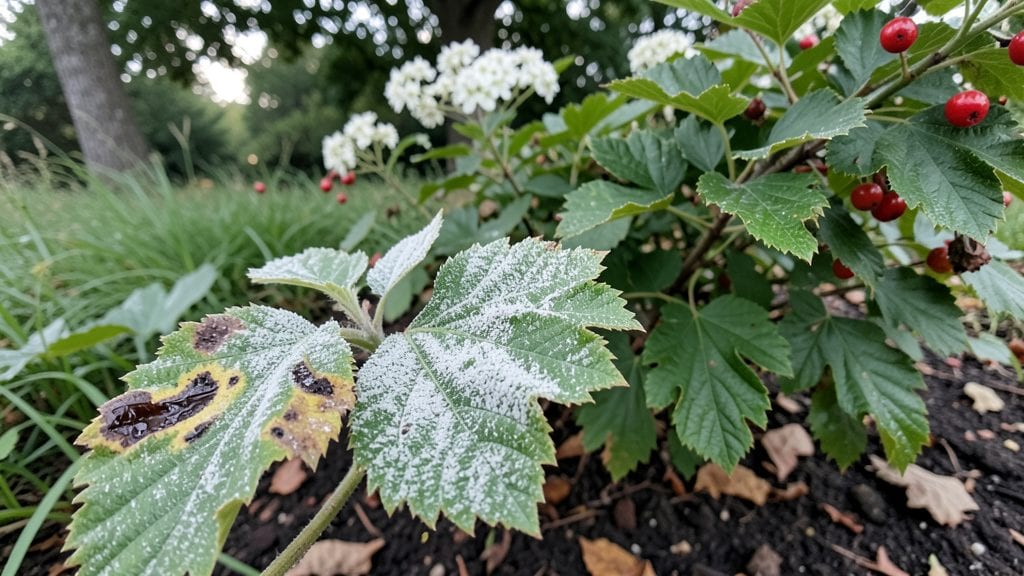
Viburnum plant diseases can turn your prized shrubs from lush privacy screens into sad, spotted shadows—unless you catch them early. 🌿 I’ve seen powdery mildew turn glossy leaves white in just two weeks, and leaf spots spread like wildfire if you ignore them.
The key is knowing what to watch for before your viburnum’s health takes a nosedive.
Most viburnum diseases—like anthracnose, powdery mildew, or bacterial leaf spot—start with tiny specks or fuzzy coatings on leaves. Overwatering, poor airflow, or wet foliage in humid summers create the perfect storm for fungal infections. Even healthy viburnums can succumb if you’re not paying attention to their environment or pruning habits.
Once you spot the problem, act fast: prune infected branches, improve airflow with strategic pruning, and apply fungicides (organic or chemical) before the disease spreads to new leaves. My viburnums bounce back every time I catch issues early—no more brown, crunchy leaves by fall.
This isn’t just about saving your plants—it’s about keeping your landscape looking sharp all season. Let’s get your viburnums back to their vibrant best before next year’s growing season even starts.
Root Causes Of Viburnum Ailments
Understanding why viburnum plants fall prey to diseases starts with recognizing their vulnerabilities—and the environmental factors that exploit them. These shrubs, while hardy, are not immune to stress, pathogens, or poor growing conditions. Below, we break down the key triggers behind viburnum plant diseases, from fungal invaders to environmental mismatches.
Fungi are the #1 culprit behind viburnum diseases, thriving in moist, shaded conditions. Here’s why they strike:
- Excess Moisture & Poor Airflow Viburnums love humidity, but too much moisture—especially on leaves—creates the perfect fungal buffet. Diseases like anthracnose and powdery mildew latch onto damp foliage, spreading spores effortlessly. Poor airflow (e.g., overcrowded plants or dense foliage) traps moisture, accelerating infection.
- Wounded Bark or Leaves Physical damage (from pruning, hail, or pests) opens doors for fungi. Canker diseases exploit these wounds, forming sunken, oozing lesions that weaken the plant over time.
- Weakened Immunity from Stress Stressed viburnums (due to drought, nutrient deficiency, or transplant shock) produce less phenolic compounds—natural fungicides. Without these defenses, fungi like Botryosphaeria (causing dieback) move in unchecked.
💡 Pro Tip: Space plants for airflow and avoid overhead watering to keep leaves dry.
Insects don’t just nibble—they carry pathogens and damage plants, making them susceptible to secondary infections. Common viburnum pests include:
- Scale Insects & Aphids These sap-suckers weaken plants by reducing photosynthesis, starving them of energy. Their sticky honeydew attracts sooty mold, a black fungal growth that smothers leaves and blocks sunlight.
- Japanese Beetles & Viburnum Leaf Beetles Their voracious feeding creates holes and chewed edges, inviting fungal spores to colonize. Leaf beetle larvae, in particular, tunnel into stems, creating entry points for bacterial cankers.
- Spider Mites (Drought Stress Indicators) While mites themselves don’t cause disease, their silky webbing traps moisture, promoting fungal growth like rust (which causes orange pustules on leaves).
✨ Actionable Fix: Use neem oil or insecticidal soap early to prevent pest outbreaks.
Viburnums are resilient, but extreme or inconsistent conditions cripple their resistance. Key stressors include:
| Stressor | How It Weakens Viburnums | Diseases It Invites |
|---|---|---|
| Drought | Roots shrink, reducing nutrient uptake. | Verticillium wilt (fungal) |
| Overwatering | Roots suffocate, leading to root rot. | Phytophthora (water mold) |
| Poor Soil Drainage | Waterlogged soil starves roots of oxygen. | Root rot (multiple fungal pathogens) |
| Temperature Swings | Sudden cold snaps or heatwaves shock the plant. | Bacterial leaf spot |
| High Nitrogen Fertilizer | Encourages soft, susceptible new growth. | Powdery mildew |
🎯 Prevention Tip: Test soil pH (ideal: 6.0–7.0) and amend with compost to improve drainage and microbial balance.
While less common than fungi, bacterial and viral diseases still target viburnums, often spreading via contaminated tools, infected nursery stock, or sap-feeding insects.
- **Bacterial Leaf Spot (Xanthomonas) Thrives in warm, wet conditions, causing dark, water-soaked spots with yellow halos. Bacteria enter through stomata (leaf pores) or wounds.
- Viburnum Leaf Scorch (Virus) Spread by aphids or grafting, this virus causes brown, crispy leaf edges and stunted growth. There’s no cure—only removal of infected plants.
🔥 Critical Step: Sterilize pruners with 70% rubbing alcohol between cuts to prevent spread.
Even well-intentioned gardening can backfire. Common human errors include:
- Over-Pruning Heavy pruning in late summer/fall delays wound healing, leaving viburnums vulnerable to canker fungi** like Nectria.
- Planting in Shade Low light reduces chlorophyll production, weakening the plant’s ability to fend off pathogens. Viburnums need 6+ hours of sunlight to stay robust.
- Ignoring Mulch Depth Too much mulch (over 3 inches) suffocates roots, while too little exposes them to temperature extremes. Aim for 2–3 inches of organic mulch, kept away from the trunk.
👨🍳 Gardener’s Checklist: ✅ Prune in early spring (dormant season). ✅ Choose a sunny, well-draining site. ✅ Monitor for early signs (spots, wilting, unusual growth).
Fixing Viburnum Diseases Step-by-Step
When your viburnum plants show signs of distress, acting quickly can save them—and your garden’s beauty. Below are practical, step-by-step solutions tailored to the most common viburnum diseases, along with prevention tips to keep your plants thriving. Think of this as your viburnum first-aid kit!
**🔥 Cause: Humid conditions, poor airflow, or wet foliage
How to Treat It
- 🌿 Prune for Airflow
- Remove
- Pro Tip: 💡 Prune in the morning when foliage is dry to avoid spreading spores.
- 🧼 Apply Fungicides (Organic or Synthetic)
- Neem oil spray (1 tsp neem oil + 1 quart water + a drop of dish soap) – spray both sides of leaves every 7–10 days until symptoms fade.
- Baking soda mix (1 tbsp baking soda + 1 quart water + a few drops of soap) – great for powdery mildew on young leaves.
- Chemical option: Use copper fungicide (like Copper Soap) for severe leaf spots.
- 🌧️ Adjust Watering Habits
- Water at the base (not overhead) and early in the day so leaves dry quickly.
- Avoid mulching too close to the trunk—keep it 3–4 inches away to prevent soil-borne fungi.
🛡️ Prevention Tips
✨ Space plants 3–5 feet apart to prevent crowding. 🌡️ Water deeply but less frequently—viburnums hate soggy roots. 🎯 Clean up fallen leaves in autumn to remove fungal spores.
**🔥 Cause: Weakened plants attract pests, which then spread bacterial or fungal infections
How to Treat It
- 💦 Blast Off Pests with Water
- Use a
- For scale insects, soak a cotton ball in rubbing alcohol and gently wipe them off.
- 🐞 Introduce Beneficial Insects
- Predatory mites** (like Phytoseiulus persimilis) control spider mites naturally.
- 🍯 Use Horticultural Oil
- Dormant oil spray (applied in late winter/early spring) smothers scale and overwintering eggs.
- Summer oil spray (like JMS Stylet Oil) works for active infestations—reapply every 7–10 days.
🛡️ Prevention Tips
💡 Inspect new plants before bringing them home—quarantine for 2 weeks if pests are suspected. 🌿 Plant companion flowers (like marigolds or nasturtiums) to repel pests. ✨ Avoid over-fertilizing with nitrogen—soft, sappy growth attracts pests.
**🔥 Cause: Wounds from pruning, contaminated tools, or wet conditions
How to Treat It
- 🔪 Prune Infected Branches Aggressively
- Cut off
- Burn or trash (don’t compost!) infected prunings to prevent spread.
- 🧴 Sterilize Tools After Each Cut
- Wipe blades with
- 🌧️ Improve Drainage & Reduce Splashes
- Use drip irrigation instead of sprinklers to keep foliage dry.
🛡️ Prevention Tips
🎯 Prune only in dry weather—never when leaves are wet. 🔥 Apply copper fungicide as a preventive spray in spring before symptoms appear. 🌡️ Avoid overhead watering—especially in the evening.
🔥 Cause: Overwatering, compacted soil, or poor drainage
How to Treat It
- 🚰 Improve Soil Drainage Immediately
- Amend soil with perlite, sand, or compost (but avoid fresh manure—it attracts fungi).
- 🌿 Transplant if Necessary
- If roots are
- Repot in well-draining soil and hold off watering for 3–5 days to let roots recover.
- 💊 Use Fungicidal Soil Drenches
- Systemic fungicide (e.g., Subdue SC) for severe cases—follow label instructions.
🛡️ Prevention Tips
💡 Test your soil—ideal viburnum soil should drain within 2–4 hours after watering. 🌡️ Plant on a slight mound to encourage runoff. ✨ Avoid planting in low-lying areas where water pools.
No matter the issue, healthy viburnums resist diseases better.
Follow these year-round tips: - Feed in early spring with balanced fertilizer (10-10-10)—avoid high-nitrogen in summer. - Mulch lightly (1–2 inches) with wood chips (not fresh bark). - Monitor regularly—catch problems when leaves are just starting to yellow or spot.
Remember: 🌿 Prevention is easier than cure! A little pruning, proper watering, and vigilance will keep your viburnum lush, disease-free, and stunning** for years.
Frequently asked questions about viburnum plant diseases
What are the most common signs my viburnum has a fungal disease?
Look for white powdery coatings (powdery mildew), dark spots with yellow halos (leaf spot), or fuzzy growths (anthracnose). These appear on leaves first, often starting at the bottom of the plant. Check both leaf surfaces—some fungi hide on the undersides.
Can I save my viburnum if it already has brown, crunchy leaves?
It depends! If the issue is recent (within 2-4 weeks), prune infected branches, improve airflow, and apply fungicide. For severe cases with dieback, the plant may need removal to prevent spread. Always sterilize tools between cuts to avoid cross-contamination.
Is there a natural way to prevent powdery mildew without chemicals?
Yes! Start with baking soda spray (1 tbsp baking soda + 1 quart water + a drop of soap), applied every 7-10 days. Space plants for airflow, avoid overhead watering, and mulch with wood chips (not fresh bark). Companion plants like marigolds also help repel spores.
Why does my viburnum get diseases more in humid summers?
Fungi thrive in 80%+ humidity because spores spread easily through wet foliage. Poor airflow from dense growth traps moisture, creating perfect conditions. Prune to thin out branches, water at the base in the morning, and avoid mulching too close to the trunk.
How do I know if my viburnum's problems are from pests or disease?
Pests leave holes, chewed edges, or sticky residue (honeydew), while diseases show spots, discoloration, or fungal growth. Check both sides of leaves—pests often hide on undersides, while fungal spores may appear as powdery coatings. Use a magnifying glass for close inspection.