
Companion Plants
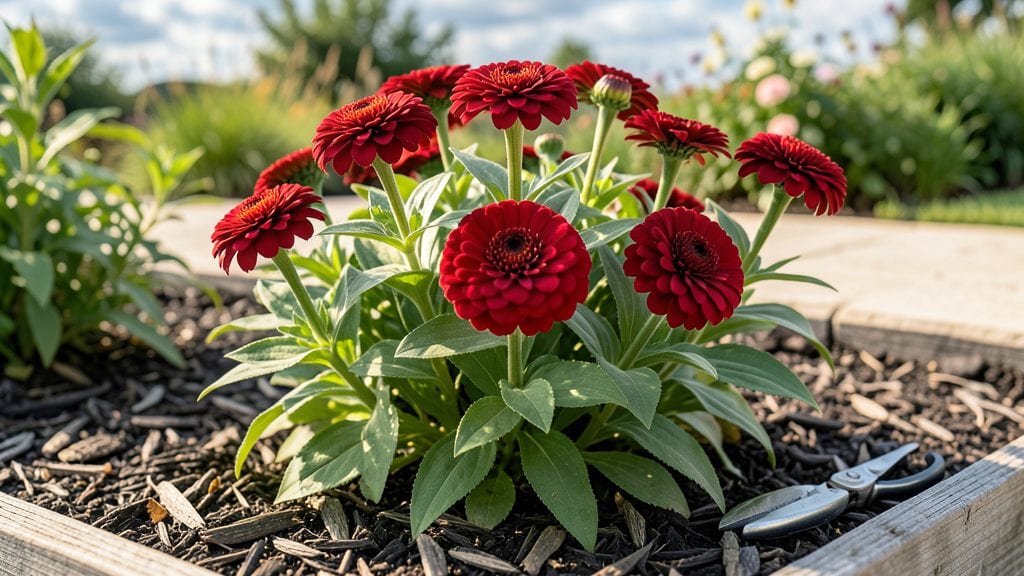
Double zinnia plants burst into the garden like living art—those velvety petals layered in deep reds, pinks, and purples make them the showstopper of summer. 🌻 I remember the first time I grew them from seed, watching those first blooms unfurl like tiny, intricate fans, and I knew they’d be my go-to for drama.
The secret isn’t just in the seeds but in the way they thrive when you give them the right support and care—something most gardeners overlook until their stems flop.
You’ll need well-draining soil mixed with compost, a sunny spot with at least 6 hours of direct light daily, and sturdy stakes or cages to keep those heavy blooms upright. Water deeply once a week (more in heatwaves) but avoid soggy soil—they hate wet feet.
Pinch back the tips of young plants to encourage bushier growth, and deadhead spent blooms to coax more flowers. It’s not complicated, but it does require a little attention to detail.
By mid-summer, your plants will be covered in 3-4 inch blooms that last from morning until evening, drawing in butterflies and hummingbirds like a magnet. The color combinations are jaw-dropping—deep burgundy against lime green foliage, or blush pink with chocolate centers.
These aren’t just flowers; they’re the kind of garden moments that make neighbors pause and ask, “What are those?”
Works in borders, containers, or as cut flowers—just give them space to breathe. The key is patience; they start slow but finish strong. Let’s get those seeds in the ground and turn your garden into a zinnia wonderland.
📚 In This Guide
- What you need
- Instructions
- Tips and common mistakes
- Wrapping up and next steps
What you need
- ● Double Zinnia Seeds: Choose Zinnia elegans varieties like 'Double Cherry' or 'Double White' (10–20 seeds per plant).
- ● Potting Soil: High-quality, well-draining seed-starting mix (5–10 lbs for containers or 1–2 bags for in-ground planting).
- ● Containers or Garden Bed: For seedlings: 4–6" pots (1–2 per seedling) or a seed tray with cells.
- ● For transplanting: 12" diameter pots or a garden bed with full sun (6+ hours/day).
- ● Watering Can or Spray Bottle: With a fine mist setting for gentle watering.
- ● Fertilizer: Balanced liquid fertilizer (10-10-10) or slow-release granules for seedlings.
- ● Gloves & Hand Trowel: For planting and soil prep.
- ● Plant Labels: To track varieties (especially if growing multiple types).
- ● Pruning Shears: For deadheading spent blooms (encourages more flowers!).
- ○ Row Cover or Shade Cloth: Optional for seedlings to protect from harsh sun or pests.
- ● Mulch: Straw or shredded leaves to retain moisture and suppress weeds.
Step-by-Step instructions for growing double zinnia plants
Here's my foolproof method for coaxing those oversized, showstopping blooms you see at garden centers.
🌱 Step 1: Prepare Your Planting Site or Containers
Zinnias thrive in full sun—at least 6-8 hours daily. If planting in the ground, choose a spot with well-draining soil. Amend heavy clay with 2-3 inches of compost to improve drainage and fertility. For containers, use pots at least 12 inches deep with drainage holes—zinnias have deep roots and hate soggy feet.
I always test the soil moisture before planting. Stick your finger 1 inch deep—if it feels dry, wait a day. Planting in damp soil prevents root rot, especially for double varieties which can be more sensitive. Space plants 12-18 inches apart—crowding leads to leggy stems and fewer blooms.
🌿 Step 2: Plant Seeds at the Right Depth and Time
Sow seeds ¼ inch deep after your last frost date when soil temperatures reach 70°F or warmer. Double zinnias need warmth to develop their complex blooms. I plant mine in late May in my zone 6 garden—earlier plantings often produce smaller flowers.
Place 2-3 seeds per hole and thin to the strongest seedling once they're 2 inches tall. Use a small hand trowel to gently remove weaker seedlings at the base. Water lightly after planting to settle the soil but avoid soaking—this prevents seeds from washing away.
☀️ Step 3: Provide Consistent Water and Fertility
Keep soil evenly moist but not soggy—zinnias wilt quickly when thirsty but hate sitting in water. Water at the base in the morning to let foliage dry before evening, which prevents fungal diseases. I use a drip irrigation system for containers to maintain steady moisture without overhead wetting.
Feed plants with a balanced liquid fertilizer (10-10-10) every 2-3 weeks once they reach 4 inches tall. Double zinnias are heavy feeders—skipping fertilizer results in smaller blooms. Stop fertilizing 6 weeks before first frost to encourage flower production over foliage growth.
✂️ Step 4: Deadhead and Prune for Continuous Blooms
Pinch back the first set of true leaves when seedlings are 4-6 inches tall to encourage bushier growth. This might seem counterintuitive, but it prevents leggy stems. Remove spent blooms weekly by snipping just above a set of leaves. This redirects energy to new flowers instead of seed production.
Watch for powdery mildew on crowded plants—it shows as white dust on leaves. At the first sign, remove affected leaves and spray with a neem oil solution. I also cut back tall stems by ⅓ in midsummer to promote fresh growth and prevent flopping.
⏰ Step 5: Extend the Season with Simple Care
Double zinnias typically bloom 60-75 days after planting. To prolong flowering, cut back plants by half their height in early fall. This stimulates a second flush of blooms before frost. In containers, bring pots indoors to a sunny windowsill or under grow lights when nights drop below 50°F.
Harvest blooms in the morning after dew dries for longest vase life. Store stems in cool water** immediately—zinnias wilt fastest in heat. I always leave a few blooms on the plant to set seed for next year's garden.
Tips & tricks for perfect double zinnia plants
Between us, growing double zinnias that rival garden center blooms comes down to a few key tricks that most gardeners overlook. These are the secrets that'll help you avoid common pitfalls and get those dramatic, layered flowers you've been dreaming of.
Sunlight Strategy: That 6-8 hours of daily sun in Step 1 is non-negotiable, but here's what nobody tells you—morning sun is more important than afternoon. The intense midday rays can actually scorch delicate double blooms. I position my zinnias to get full morning sun and partial afternoon shade, especially in hot climates. This balance prevents leaf burn while still giving you those bold blooms.
Soil Temperature Secret: The 70°F soil temperature requirement in Step 2 isn't just about germination—it's what triggers the genetic potential for those double layers. I use a soil thermometer to confirm temps before planting. If your soil runs cooler, consider using black plastic mulch to warm it up faster. Cold soil makes double zinnias revert to single blooms, which is why late May works so well in zone 6.
Watering Wisdom: The "evenly moist but not soggy" rule in Step 3 needs a little more detail. I water my zinnias when the top inch of soil feels dry to the touch—this matches the 1-inch moisture check from Step 1. The key is consistency: I set up a simple drip irrigation on a timer for 15 minutes every morning. This prevents the moisture fluctuations that lead to those dreaded black spot fungus issues, especially on double varieties.
Fertilizer Timing: Those 2-3 week intervals for fertilizer in Step 3 can be tricky with double zinnias. I switch to a half-strength fertilizer solution after the first bloom appears because these heavy feeders actually produce smaller blooms if overfed later in the season. And that 6-week cutoff before frost? Mark it on your calendar—it's when I start tapering off completely to let the plants focus on flower production rather than new growth.
Pro Tips for Double Zinnia Plants
- Between us, growing double zinnias that rival garden center blooms comes down to a few key tricks that most gardeners overlook.
- Sunlight Strategy: That 6-8 hours of daily sun in Step 1 is non-negotiable, but here's what nobody tells you—morning sun is more important than afternoon.
- Soil Temperature Secret: The 70°F soil temperature requirement in Step 2 isn't just about germination—it's what triggers the genetic potential for those double layers.
Frequently asked questions
How do double zinnias differ from single-flowered varieties?
Double zinnias boast layered petals (often 3+ rows) instead of a single outer ring, creating a lush, pom-pom-like look. While single zinnias are classic and low-maintenance, doubles require more support (staking or pruning) to avoid flopping. Their blooms also tend to be slightly smaller but pack serious visual impact!
When is the best time to plant double zinnias for continuous blooms?
For non-stop color, plant in early spring (after frost) and again in late summer (6–8 weeks before first frost). Double zinnias thrive in warm weather (60–80°F) and won’t tolerate cold. Succession planting every 3–4 weeks ensures blooms from summer through fall!
Why are my double zinnias flopping over? How can I fix it?
Flopping is common in doubles due to their heavy, layered blooms. Prevent it by:
- Staking individual plants with bamboo or tomato cages.
- Pruning spent blooms to encourage new growth (deadheading).
- Choosing compact varieties like ‘Double Hit’ or ‘Crystal Palace’.
Can I grow double zinnias in containers? What’s the ideal pot size?
Double zinnias thrive in containers if given enough space. Use pots at least 12–14 inches wide/deep (bigger for multiple plants) with well-draining soil. Add a time-release fertilizer and place in full sun (6+ hours/day). Just water consistently—containers dry out faster!
Are double zinnias prone to pests? How do I keep them healthy?
Double zinnias attract aphids, spider mites, and whiteflies due to their dense blooms. Prevent issues with:
- Neem oil spray (weekly preventive treatment).
- Introducing beneficial insects like ladybugs.
- Avoiding overhead watering to reduce humidity (pests love damp foliage).
What’s the easiest way to get more double zinnias next year?
Save seeds from your healthiest blooms! Let a few flowers go to seed (brown and papery), then collect seeds in a paper bag. Store in a cool, dry place until spring. Pro tip: Double zinnias self-seed readily, so you might find volunteer plants popping up the next year!
Wrapping up and next steps
Growing double zinnia plants is a rewarding way to add drama and color to your garden while keeping pests at bay! With the right companion plants, soil prep, and care, you’ll enjoy lush, vibrant blooms that turn heads—just like those from high-end garden centers. 🌸
Ready to level up your garden game? Start by picking a sunny spot, prepping your soil, and planting your double zinnias alongside their best buddies like marigolds or nasturtiums. Then, watch your garden transform into a stunning, low-maintenance paradise!
Now grab those seeds, get your hands dirty, and let your creativity bloom! 🌱