
Companion Plants
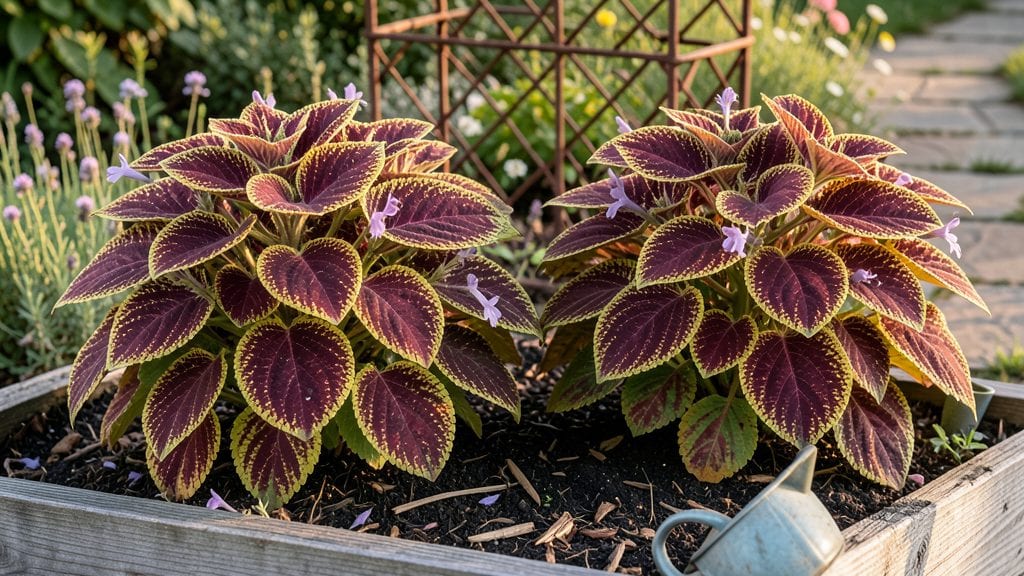
Growing large, showstopping coleus plants starts with the right light and soil—my first batch grew from 6-inch cuttings to 2-foot giants in just 3 months by treating them like tropical royalty. 🌿 The secret isn’t fancy fertilizers but matching their love for shade and heat to your space, whether that’s a shady patio or a bright indoor corner.
You’ll need well-draining potting mix (no soggy roots allowed), a 5-gallon container for each plant, and regular pinching to encourage bushier growth. Coleus thrives on neglect too—water when the top inch feels dry, and watch those leaves blaze with color when happy.
The biggest mistake? Letting them get root-bound; repot every spring to keep them feeding.
By summer, you’ll have lush, velvety foliage that turns heads—deep purples, fiery oranges, or chartreuse stripes that outshine any annual. Prune back leggy stems in early spring to trigger fresh, compact growth, and propagate cuttings to share with friends.
The payoff? A shade garden that feels like a tropical escape, even in 90-degree heat.
Works for containers, hanging baskets, or garden beds—just avoid harsh afternoon sun. Here’s how to keep them thriving all season long without the guesswork.
📚 In This Guide
- What you need
- Instructions
- Tips and common mistakes
- Wrapping up and next steps
What you need
- ● Coleus plants: 3–5 mature coleus plants (6–12 inches tall, with bold foliage colors)
- ● OR 10–20 coleus seeds (if starting from scratch)
- ● Potting mix: 5–10 gallons of well-draining, peat-based or coco coir mix (add perlite or sand for extra aeration)
- ● Containers: Large pots (12–18 inches in diameter) or garden beds (if planting outdoors)
- ○ Drainage trays (optional, for indoor setups)
- ● Fertilizer: Balanced liquid fertilizer (10-10-10 or 20-20-20, diluted to half-strength)
- ● Watering can or hose: With a gentle spray nozzle for even moisture
- ● Pruning shears: Sharp, clean pair for trimming leggy stems
- ● Gloves: Garden gloves to protect hands from soil and sap
- ● Mulch: Organic mulch (e.g., shredded bark) to retain moisture and suppress weeds
- ● Grow lights (indoor setups): LED grow lights (12–16 hours/day) for low-light areas
- ● Plant markers: Small labels to track coleus varieties
Step-by-Step guide to growing bold, large coleus plants
Here's how to coax those vibrant, oversized leaves you've been admiring—with minimal fuss.
🌱 Step 1: Select and Prepare Healthy Coleus Stems
Choose stems from mature coleus plants with at least 4-6 inches of growth and 3-4 leaves. Look for stems that are thick and sturdy—they'll root faster and produce bushier plants. I always pick stems just below a leaf node, where roots naturally form.
Trim the stem at a 45-degree angle with clean scissors to increase surface area for root growth. Remove the lower leaves, leaving only the top 2-3 leaves attached. This prevents rot while the stem focuses energy on root development. Dip the cut end in rooting hormone powder (if using) for an extra boost.
💧 Step 2: Root the Cuttings in Water
Fill a clean 8-ounce glass with room-temperature water, leaving about 1 inch of air space at the top. Place the prepared stem in the glass so only the cut end is submerged—never the leaves. I like to use a clear glass so I can watch roots grow, which usually takes 10-14 days.
Change the water every 3-4 days to prevent bacterial growth. You'll know it's time when the water starts looking cloudy or smells funky. Keep the glass in bright, indirect light—direct sun can cause algae growth, and too little light slows rooting. Roots are ready when they reach 1-2 inches long.
☀️ Step 3: Plant in Well-Draining Soil Mix
Fill a 6-inch pot with a mix of 50% potting soil and 50% perlite to ensure excellent drainage. Coleus roots hate sitting in soggy soil, and this blend prevents rot while keeping moisture available. Gently press the rooted cutting into the soil until the first set of leaves sits just above the surface.
Water lightly until moisture seeps out the drainage holes. I avoid heavy watering at first—coleus plants are sensitive to overwatering when young. After planting, place the pot in bright, indirect light for 1-2 weeks to help the plant adjust. Gradually introduce more sunlight as new growth appears.
🌿 Step 4: Encourage Bushy Growth and Large Leaves
Once your coleus reaches 6-8 inches tall, pinch back the top set of leaves to encourage branching. This simple step triggers the plant to grow wider and fuller. I always pinch just above a leaf node where new growth will sprout—this is where the magic happens.
Feed your coleus with a balanced liquid fertilizer (10-10-10) every 4-6 weeks during the growing season. Large leaves need plenty of nutrients, so don't skimp! Keep the soil consistently moist but never soggy—stick your finger in the soil; if the top 1 inch feels dry, it's time to water.
✂️ Step 5: Maintain Size and Vibrancy Through Pruning
To keep your coleus large and lush, prune regularly by cutting back leggy stems to just above a leaf node. This promotes thicker growth and prevents the plant from becoming too tall and sparse. I like to do this every 6-8 weeks during the growing season.
Rotate the pot a quarter turn weekly so the plant grows evenly toward the light. If leaves start to lose their vibrant colors, it's often a sign of too much direct sun—move the plant to a shadier spot. With proper care, your coleus will reward you with bold, oversized leaves that steal the show in any garden space.
Tips & tricks for growing bold coleus plants
These simple tricks will help you grow coleus plants with leaves so vibrant and large they'll be the star of any garden or indoor space.
Selection Matters: In Step 1, when choosing your stems, focus on ones that are at least 4-6 inches long and have 3-4 leaves. The thicker the stem, the faster it will root and the bushier your plant will become. I've learned that stems taken from the middle of the plant—rather than the very top or bottom—produce the most vigorous growth.
Rooting Hack: For Step 2, if you're impatient like me, you can speed up rooting by placing your glass of cuttings in a bright spot with a small fan on low setting. The gentle airflow helps prevent algae and encourages faster root development. Just make sure the leaves never touch the water—this is where rot starts.
Soil Mix Secret: The 50/50 blend of potting soil and perlite in Step 3 is crucial. If you don't have perlite, you can substitute it with coarse sand or even small pebbles. The key is maintaining that perfect drainage—coleus roots will rot if they sit in soggy soil. After planting, give the soil a gentle squeeze; it should feel moist but not dripping.
Pinching Technique: When your coleus reaches 6-8 inches in Step 4, don't be afraid to get your fingers involved. Pinch just above a leaf node where you see a small bump forming—this is where new growth will emerge. I've found that pinching every few weeks keeps my coleus compact and bushy, rather than letting it grow tall and leggy.
Pro Tips for Large Coleus Plants
- These simple tricks will help you grow coleus plants with leaves so vibrant and large they'll be the star of any garden or indoor space.
- Selection Matters: In Step 1, when choosing your stems, focus on ones that are at least 4-6 inches long and have 3-4 leaves.
- Rooting Hack: For Step 2, if you're impatient like me, you can speed up rooting by placing your glass of cuttings in a bright spot with a small fan on low setting.
Frequently asked questions
Got questions about growing large coleus plants? You’re not alone! Here are answers to the most common queries—from pruning tips to sunlight secrets—to help your bold foliage flourish with confidence.
How fast do large coleus plants grow?
Coleus grows at a moderate pace—expect 4–6 inches per month under ideal conditions (warmth, bright indirect light, and consistent moisture). With proper care, they can reach 2–3 feet tall and wide in a single growing season. Pro tip: Pinch back young plants to encourage bushier growth!
Can large coleus handle full sun?
While coleus loves bright light, full sun (6+ hours daily) can scorch their leaves, especially in hot climates. Aim for morning sun + afternoon shade or filter light through sheer curtains. If outdoors, provide dappled shade (like under trees) for vibrant, heat-resistant foliage.
When and how should I prune large coleus plants?
Prune spring through early fall to maintain shape and encourage new growth. Use clean shears to trim 1/3 of the plant or snip leggy stems just above a leaf node. Bonus: Propagate cuttings in water—they root easily!
What pests commonly attack large coleus, and how do I treat them?
Watch for aphids, spider mites, or whiteflies, which thrive in dry conditions. Treat with neem oil or insecticidal soap, and increase humidity (mist leaves or use a pebble tray). Quick fix: Spray plants with water to dislodge pests before they multiply.
Are there dwarf or trailing coleus varieties for smaller spaces?
Try ‘Wendy’s Wish’ (trailing) or ‘Black Dragon’ (compact) for containers. Even large coleus can be container-grown—just use a 12+ inch pot with drainage. Space hack: Hang baskets to save floor space while showcasing their dramatic leaves!
Wrapping up and next steps
Growing large coleus plants is a rewarding way to add vibrant color and texture to your garden, even in hot or shady spots! 🌿 With the right care—like proper spacing, consistent moisture, and a little pruning—you’ll enjoy lush, eye-catching foliage that thrives year after year.
Whether you’re a seasoned gardener or just starting out, these bold beauties are a fantastic choice for containers, borders, or even as companion plants.
Ready to dive in? Start by selecting your favorite varieties, gathering your supplies, and giving these stunning plants the love they deserve! 🌟 Your garden’s next masterpiece is just a few steps away.