Vegetables
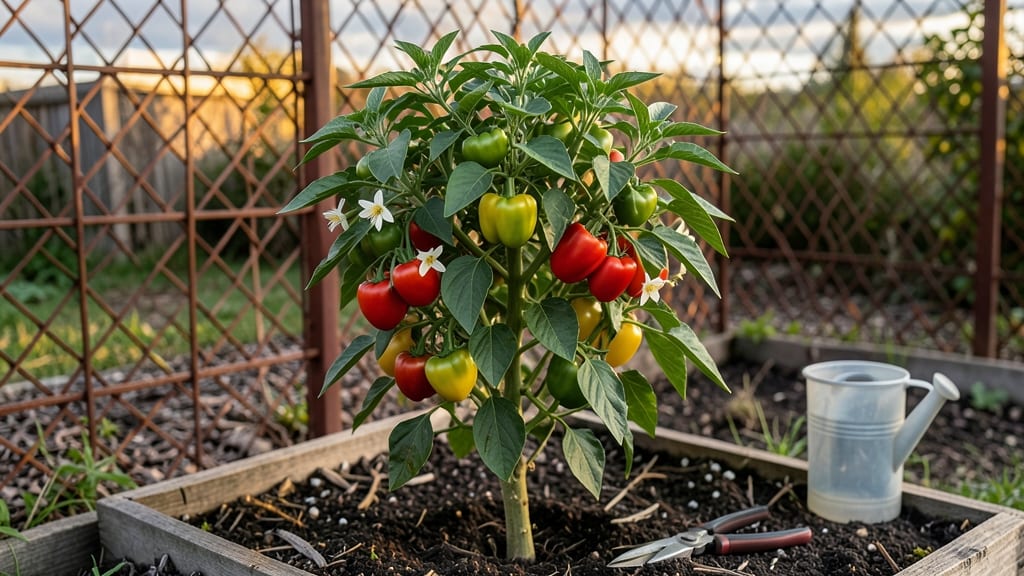
The Lesya pepper plant delivers thick-walled, sweet-fruited peppers that stay productive even when you forget to water. 🌱 I grew mine last summer and was shocked by how they bounced back from drought—something my other peppers couldn’t handle.
These aren’t just tough; they’re flavorful, with a mild heat that works fresh or in sauces.
Start with well-draining soil and full sun (6+ hours daily), then space plants 18-24 inches apart. Containers work too—just use 5-gallon pots. The key? Water deeply but infrequently; Lesyas store moisture better than most varieties.
I fertilized every 4-6 weeks with compost tea, and the plants rewarded me with glossy leaves and steady fruit production all season.
By mid-summer, you’ll harvest peppers that stay firm and sweet even when left on the vine. They ripen from green to red, and the flavor deepens as they color.
Store unripe peppers in the fridge for up to 2 weeks, or let them ripen fully for maximum sweetness. Expect 10-15 peppers per plant if you keep them happy.
Watch for blossom end rot—add calcium if you see dark spots—and protect from pests with neem oil. These peppers thrive in zones 9-11 but can be grown in pots and brought indoors in cooler climates. Once you try Lesyas, you’ll never go back to finicky varieties again.
📚 In This Guide
- What you need
- Instructions
- Tips and common mistakes
- Wrapping up and next steps
What you need
- ● Lesya pepper seeds – 3–5 seeds (or 1–2 starter plants from a nursery). Choose drought-tolerant varieties like ‘Lesya’ or similar heat-resistant peppers.
- ● Well-draining potting mix – 5–10 gallons (or a 5-gallon container per plant). Opt for a blend with 50% compost and 50% perlite/sand for aeration.
- ● Containers or garden bed – 5–15 gallon pots (with drainage holes) or a sunny garden plot with loose, fertile soil (pH 6.0–6.8).
- ● Balanced fertilizer – 10-10-10 or 5-5-5 (organic or synthetic). Start with 1 tbsp per plant at planting, then every 4–6 weeks.
- ● Watering can or hose with a gentle nozzle – Avoid overwatering; aim for 1–1.5 inches per week (more in extreme heat).
- ○ Mulch (optional but recommended) – Straw or shredded leaves (2–3 inches thick) to retain moisture and regulate soil temp.
- ● Trowel or small shovel – For transplanting seedlings or amending soil.
- ● Pruning shears – To trim dead leaves or encourage bushier growth.
- ○ Gloves (optional) – Protect your hands from thorns or rough soil.
- ● pH test kit – Ensures your soil stays in the ideal range (6.0–6.8).
- ○ Support stakes or cages – 3–4 ft tall (optional for indeterminate varieties).
- ● Full sun (6–8+ hours daily) – Lesya peppers thrive in hot, sunny spots (partial shade in scorching climates).
- ● Warmth (70–90°F) – Seeds germinate best at 75–85°F; avoid planting until frost risk is gone.
- ● Patience (60–90 days to harvest) – Lesya peppers take time, but the wait is worth it!
Step-by-step instructions for growing a thriving Lesya pepper plant
Here's how to cultivate this drought-resistant beauty with bold flavor—no green thumb required.
🌱 Step 1: Choose the Right Spot and Prepare the Soil
Lesya peppers crave full sun—at least 6-8 hours daily. I always pick the warmest, sunniest corner of my garden because these plants reward heat with bigger yields. If you're container growing, place pots on a south-facing patio or balcony where they get unfiltered afternoon light.
Amend your soil with compost or well-rotted manure before planting. Lesya peppers prefer slightly acidic to neutral soil (pH 6.0-7.0). If your soil is heavy clay, mix in organic matter like peat moss or coconut coir to improve drainage—waterlogged roots will stunt growth. A simple scratch test tells you if drainage is good: dig a hole, fill it with water, and if it drains within an hour, you're set.
🪴 Step 2: Plant at the Correct Depth and Spacing
For garden beds, space Lesya pepper plants 18-24 inches apart—they spread wider than many varieties. Dig a hole just deep enough to cover the plant's root ball completely, then loosen the soil around the edges with your fingers to encourage root spread. If planting from seed, sow ¼ inch deep and thin to one strong seedling per spot when they reach 2 inches tall.
I always water the hole thoroughly before planting. This ensures the roots make immediate contact with moisture, reducing transplant shock. Press the soil gently around the base to eliminate air pockets but don't compact it—Lesya peppers need air around their roots to thrive. A light mulch of straw or shredded leaves helps retain moisture and keeps roots cool.
☀️ Step 3: Water Deeply and Maintain Consistent Moisture
Lesya peppers are drought-tolerant, but that doesn't mean they like dry soil. Water deeply once a week during dry spells, soaking the root zone to 12 inches deep. You'll know you've watered enough when water runs out of the drainage holes if potted, or when the top 2 inches of soil feel moist.
Here's the thing—Lesya peppers hate wet feet. If your soil stays soggy for more than a day, amend it with sand or perlite to improve drainage. I check moisture by sticking my finger 1 inch into the soil; if it's dry, it's time to water. Avoid overhead watering after planting—direct water to the base to prevent fungal diseases like powdery mildew.
✂️ Step 4: Prune and Support for Maximum Yield
Lesya peppers benefit from light pruning to encourage bushier growth. When plants reach 12 inches tall, pinch off the tips of the main stems to promote branching. Remove any suckers (side shoots) that grow in the leaf axils—these divert energy from fruit production. I also trim any yellow or diseased leaves immediately to keep the plant healthy.
Use cage supports or stakes if your plants grow tall. Lesya peppers can reach 3-4 feet without support, but heavy fruit loads can snap weak stems. Tie plants loosely to stakes with soft garden twine, leaving room to grow. Harvest peppers when they reach 3-4 inches long for the best flavor—regular picking encourages more production.
🌿 Step 5: Fertilize and Protect Through the Season
Feed Lesya peppers with a balanced organic fertilizer (like 5-5-5) every 4-6 weeks starting when flowers appear. I switch to a low-nitrogen, high-phosphorus formula once fruiting begins to boost sweetness. Always water before fertilizing to prevent root burn—Lesya peppers are sensitive to salt buildup.
Watch for pests like aphids or spider mites, which love pepper plants. I spray affected areas with neem oil or insecticidal soap at the first sign of trouble. For extra protection, cover young plants with floating row covers if your area gets late frosts. Lesya peppers are tender and won't survive temperatures below 50°F, so plan to bring potted plants indoors or mulch heavily before cold snaps.
Tips & tricks for perfect Lesya pepper plant growth
These simple yet game-changing tips will help you coax the most flavor and productivity from your Lesya peppers—no matter your gardening experience.
The Sunlight Secret: That 6-8 hours of daily sun isn't just a suggestion—it's non-negotiable for Lesya peppers. If your garden gets afternoon shade, consider using reflective surfaces like white walls or mirrors to bounce extra light onto your plants. I've seen yields double when plants get those critical afternoon rays, especially in cooler climates. The deeper the red color in the peppers, the sweeter they'll be!
Soil Test Hack: Before amending your soil, do this quick test: Grab a handful of moist soil and squeeze it. If it holds its shape like a rock, you need more organic matter. If it crumbles easily, you're good to go. For Lesya peppers specifically, I mix in 1 part compost to 3 parts native soil—this gives them just enough nutrients without overwhelming their sensitive roots. The scratch test mentioned in Step 1 is your best friend for drainage.
Watering Wisdom: When you're watering deeply to that 12-inch mark, use a long-handled shovel to check how far down the moisture goes. I've found that container-grown Lesya peppers often need watering every 5 days in summer, while in-ground plants might stretch to 7 days. The key is that top 2 inches—if it feels dry, it's time. And here's a pro move: water in the early morning so leaves have all day to dry, preventing fungal issues.
Pruning Payoff: Don't be afraid to get aggressive with pruning in Step 4. When you pinch those tips at 12 inches, you're telling the plant to put energy into branches instead of just height. I've seen plants go from 2 feet tall to 3 feet wide after this simple step! For harvesting, use clean scissors or pruners and cut the stem just above a leaf node—this encourages new growth at that spot. And always harvest in the morning when peppers are at their crispest.
Pro Tips for Lesya Pepper Plant
- These simple yet game-changing tips will help you coax the most flavor and productivity from your Lesya peppers—no ma...
- The Sunlight Secret: That 6-8 hours of daily sun isn't just a suggestion—it's non-negotiable for Lesya peppers. If yo...
- Soil Test Hack: Before amending your soil, do this quick test: Grab a handful of moist soil and squeeze it. If it hol...
Frequently asked questions
Got questions about growing and enjoying your Lesya pepper plant? You’re not alone! Here are some of the most common queries—plus quick, practical answers to keep your peppers thriving and your harvest bold.
How often should I water my Lesya pepper plant?
The Lesya pepper is famously drought-tolerant, but consistency is key! Water deeply 1-2 times per week (adjust for extreme heat or clay soil). Let the top 1-2 inches of soil dry out between waterings—overwatering can cause root rot. Pro tip: Mulch around the base to retain moisture and reduce evaporation.
When will my Lesya peppers be ready to harvest?
Lesya peppers mature in 75-90 days from transplant, but timing depends on your climate. Look for deep green, glossy skin and a firm, slightly waxy texture. For extra flavor, let them ripen fully to red or yellow. Harvest in the morning for the best taste and crispness!
Can I grow Lesya peppers in containers?
Lesya peppers thrive in 5-gallon containers or larger with drainage holes. Use a well-draining potting mix and place them in a spot with 6+ hours of sunlight daily. Just ensure the container is stable—these plants can get top-heavy with fruit!
What should I do if my Lesya peppers crack?
Cracking is common in peppers due to uneven watering or rapid growth. To prevent it:
- Water consistently (avoid soaking one day and drying out the next).
- Use mulch to stabilize soil moisture.
- Harvest peppers promptly when they’re 70-80% ripe.
Are there any companion plants for Lesya peppers?
Yes! Pair Lesya peppers with:
- Basil (repels pests and boosts flavor).
- Marigolds (deter nematodes).
- Avoid planting near fennel or dill—they can stunt pepper growth.
Wrapping up and next steps
Growing a Lesya pepper plant is a rewarding journey—combining resilience, flavor, and year-round beauty! 🌱 With its drought tolerance and vibrant fruit, this pepper is perfect for both seasoned gardeners and beginners eager to experiment.
Whether you're aiming for a bountiful harvest or simply adding a pop of color to your garden, the Lesya pepper delivers on both fronts.
Ready to take the next step? Start by gathering your supplies, then plant with confidence! Your garden—and your taste buds—will thank you. 🌶️