
Watering
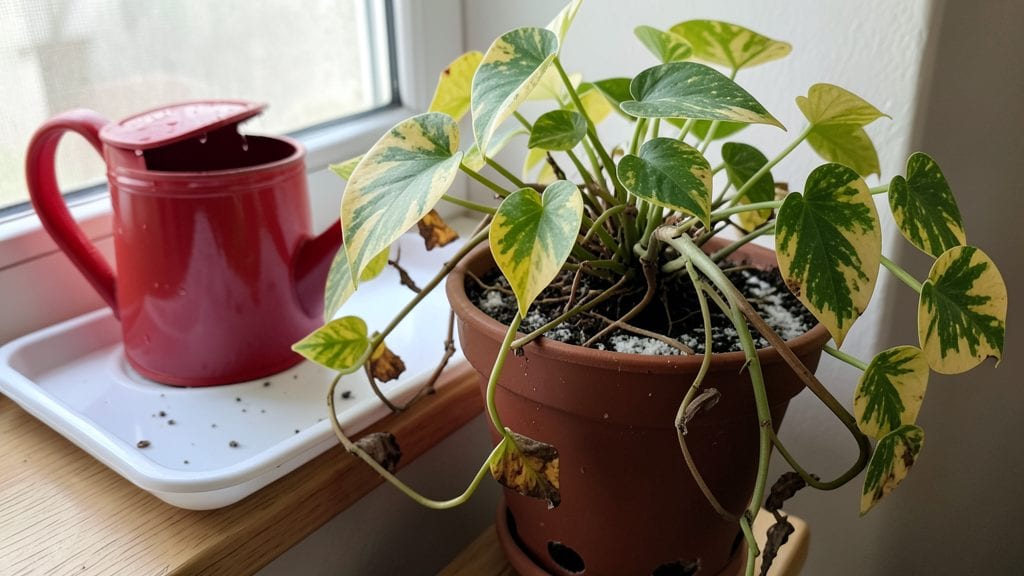
If your overwatered indoor plant is wilting into a sorry, soggy state, don’t panic—this simple rescue plan has saved my dozen soggy greens before. approach. The key is acting fast before root rot takes over, and I’ll show you exactly how to check for it without guessing.
Most people overwater because they think plants need constant moisture, but indoor plants actually prefer their soil to dry out between waterings. You’ll need a clean pot, fresh potting mix, and a sharp pair of scissors—plus a little time to let your plant recover.
The worst part is waiting, but trust me, the crisp new growth that appears in just a few weeks makes it worth it.
By the end of this, your plant will be standing tall again with vibrant green leaves, not the sad yellow or mushy brown ones you’re dealing with now.
The best part? You’ll learn how to water it right so this never happens again—no more second-guessing or wilted leaves piling up in the trash.
This works for ferns, snake plants, pothos, and even finicky tropicals like monsteras. Whether your plant is in a tiny pot or a big ceramic one, the same principles apply. Let’s get that soil back to the perfect balance—damp, not drenched.
Why It Happens
Overwatering your indoor plants might seem like a harmless mistake, but it’s actually one of the most common reasons they turn sad, droopy, or even die. Let’s break down the science behind why this happens—and how to avoid it next time.
Many indoor plants thrive in pots with drainage holes, but if your container lacks them—or if the soil is too dense—water pools at the roots instead of draining away. When roots sit in soggy soil for too long, they suffocate because: - Oxygen deprivation: Roots need air to breathe.
Excess water fills the soil pores, starving them of oxygen and triggering anaerobic conditions (a fancy term for "no oxygen"). - Root rot: Fungal and bacterial pathogens like Phytophthora and Pythium flourish in waterlogged soil, attacking roots and cutting off nutrients. - Toxic buildup: Over time, excess water dissolves minerals (like salts) in the soil, creating a toxic brew that burns roots.
💡 Pro Tip: Always use pots with drainage holes, and add a layer of perlite or orchid bark to the soil mix to improve aeration.
Even with good drainage, watering too frequently (or too much at once) can drown your plant.
Here’s why: - Soil saturation: Plants absorb water through their roots, but if the soil stays wet for days, roots can’t "breathe" between waterings. - Weak root signals: Roots release hormones like abscisic acid to signal when they’ve had enough water.
If you ignore these cues, the plant can’t regulate its own hydration. - Temperature swings: Cold windowsills or drafty spots slow evaporation, keeping soil damp longer than usual.
⚠️ Warning Signs You’re Overwatering:
- Yellowing leaves (especially lower ones)
- Mushy, black stems or roots
- Soil that smells sour or rotten
Not all plants have the same water needs—and your home’s conditions might be tricking you.
Common culprits: - Low light levels: Plants in dim corners grow slower, so they need less water (since they’re not evaporating much through leaves). - Humidity spikes: High humidity (like in bathrooms) reduces evaporation, making soil stay wet longer. - Seasonal changes: Winter means less light and slower growth—so cut back on watering!
📊 Quick Fix: Group plants with similar needs together and adjust watering based on their light exposure (e.g., succulents need less than ferns).
Some soils hold onto moisture like a sponge, while others drain like sand. If your potting mix isn’t suited to your plant:
- Peat-heavy mixes retain water for weeks, suffocating roots.
- Clay soils compact over time, blocking drainage.
- No organic matter means poor structure, leading to waterlogging.
🔥 Solution: Use a well-draining mix (e.g., cactus soil for succulents, African violet mix for tropicals) and repot if needed.
Some plants store water in their leaves or stems (like snake plants or jade), while others (like ferns) need consistently moist soil. Mismatching their biology with your watering schedule is a fast track to disaster.
🌡️ Test Your Soil: Stick your finger 1–2 inches deep—if it’s damp, wait. If it’s dry, water. (A moisture meter helps too!)
Overwatering doesn’t just drown roots—it invites unwelcome guests:
- Fungal infections (like powdery mildew) thrive in damp conditions.
- Scale insects or mealybugs multiply faster in soggy soil.
- Slime molds (yes, they’re real!) appear as creepy, glowing blobs on overwatered plants.
🛡️ Prevention: Let the top 1–2 inches of soil dry out between waterings to keep pests at bay.
Some gardeners water every day "to keep it safe," but most houseplants only need water every 7–14 days (or longer).
Overwatering from fear of underwatering leads to: - Root suffocation - Nutrient leaching (water washes away food your plant needs) - Wasted resources (you’re basically drowning your plant with love)
✨ Remember: Plants store water—underwatering is usually the bigger threat for indoor plants!
Revive Your Plant in 3 Steps
Now that you know the signs and causes of an overwatered indoor plant, it’s time to take action! The good news? Most plants can bounce back with the right care—even if they look sad or wilted.
Below are practical, step-by-step solutions tailored to the most common causes of overwatering, plus prevention tips to keep your green friend thriving long-term.
Cause: Excess moisture without drainage Fix: Let the soil dry out completely before watering again.
- Pause watering – No more H₂O until the top 1–2 inches of soil feel dry to the touch (stick your finger in—if it’s damp, wait!).
- Check the roots – Gently remove the plant from its pot and inspect the roots.
If they’re mushy, black, or smell rotten, trim the damaged ones with clean scissors. 3. Repot if needed – If the roots are severely rotted, transfer the plant to a clean pot with fresh, well-draining soil. Avoid compacted or water-retentive mixes.
💡 Pro Tip: If your plant is in a decorative pot without drainage holes, repot it immediately into a functional container. No holes = no escape for excess water = root rot city.
Cause: Poor soil, no airflow, or crowded roots Fix: Optimize the growing conditions to prevent future issues.
🔧 Fix the Soil
- Replace heavy or waterlogged soil with a light, airy mix (e.g., cactus/succulent blend for drought-tolerant plants or a standard potting soil amended with perlite/pumice).
- Add organic matter like coconut coir or worm castings to improve drainage while retaining some moisture.
✂️ Prune Damaged Foliage
- Snip off yellow, mushy, or blackened leaves with sterilized scissors. This helps the plant focus energy on recovery.
- Avoid cutting healthy green leaves—they’re still photosynthesizing and helping the plant heal!
🌬️ Boost Air Circulation
- Move the plant to a bright, indirect-light spot (but avoid harsh sunburn).
- Use a small fan on low setting nearby to improve airflow (just 1–2 hours a day helps prevent fungal growth).
🌡️ Pro Tip: If your home is humid (common in bathrooms or kitchens), consider a dehumidifier or spacer to reduce moisture buildup around leaves.
Cause: Inconsistent or excessive watering Fix: Train yourself (and your plant) to water smartly.
📅 Watering Schedule Cheat Sheet
| Plant Type | Water When | How to Water |
|---|---|---|
| Succulents/Cacti | Soil is bone-dry (every 2–4 weeks) | Soak thoroughly, then let dry completely |
| Tropical Plants | Top 1–2" of soil is dry (every 1–2 weeks) | Water until it drains from the bottom |
| Ferns/Mosses | Surface feels dry (every 5–7 days) | Mist leaves + water lightly |
| Herbaceous Plants | 50% of soil is dry (weekly) | Water deeply, then reduce frequency |
🔥 The "Finger Test" Method
Before watering, stick your finger 1–2 inches into the soil:
- Dry? Water lightly.
- Damp? Wait 1–2 more days.
- Soggy? Do not water—let it dry out first.
💡 Pro Tip: Use a moisture meter ($10–$15) for accuracy, especially if you’re a forgetful waterer.
🚫 Common Mistakes to Avoid
- Watering on a schedule (plants don’t need clocks—they need conditions).
- Using ice cubes (can shock roots and create uneven moisture).
- Ignoring seasonal changes (plants need less water in winter!).
Once your plant is back on track, keep these habits to avoid future overwatering:
- Choose the right pot – Opt for terracotta or ceramic (breathable) with drainage holes. Skip plastic unless it’s well-ventilated.
- Use a saucer trick – Place a layer of pebbles in the saucer under the pot to prevent roots from sitting in water.
- Group plants wisely – Avoid clustering too many plants together (reduces airflow).
- Rotate occasionally – Give your plant even light exposure to prevent one side from drying out faster.
- Fertilize lightly – Over-fertilizing encourages weak roots that can’t handle moisture stress.
Use a balanced, diluted fertilizer every 4–6 weeks in spring/summer.
Final Thought: 🌿 Most overwatered plants recover within 2–4 weeks with proper care. Stay patient, adjust your habits, and soon your leafy friend will be perking up like never before!
Frequently asked questions
How do I know if my plant is overwatered vs. underwatered?
Check the leaves and soil: overwatered plants show yellowing (especially lower leaves), mushy stems, and soil that stays damp for days. Underwatered plants have crispy brown edges and soil that pulls away from the pot. Stick your finger 1-2 inches deep—if it's soggy, you're overwatering; if dry, it's thirsty.
Can I save a plant with root rot from overwatering?
Yes, but act fast! Remove the plant, trim all black/mushy roots with clean scissors, and repot in fresh, well-draining soil. Skip watering for 5-7 days to let roots recover. Place in bright, indirect light and avoid saucers that trap water. Most plants bounce back in 2-4 weeks with this care.
Why does my plant keep getting overwatered even when I'm careful?
Common culprits: no drainage holes in pots, using water-retentive soil mixes, or ignoring seasonal changes (plants need less water in winter). Try the finger test daily and group plants by water needs. A moisture meter ($10) removes guesswork completely.
What's the best soil mix to prevent overwatering?
Use a blend with 30% perlite/pumice and 70% potting soil for most plants. For succulents, go 50/50 cactus mix and perlite. Avoid peat-heavy mixes—they hold water like a sponge. Always repot if your current soil stays wet for more than 2 days.
How often should I water my indoor plants?
It depends! Most plants need water when the top 1-2 inches of soil are dry. Tropicals: every 7-14 days; succulents: every 3-4 weeks. Check leaves too—wilted but still green means thirsty; yellow and mushy means too much water. Adjust based on your home's humidity and light levels.