Plants
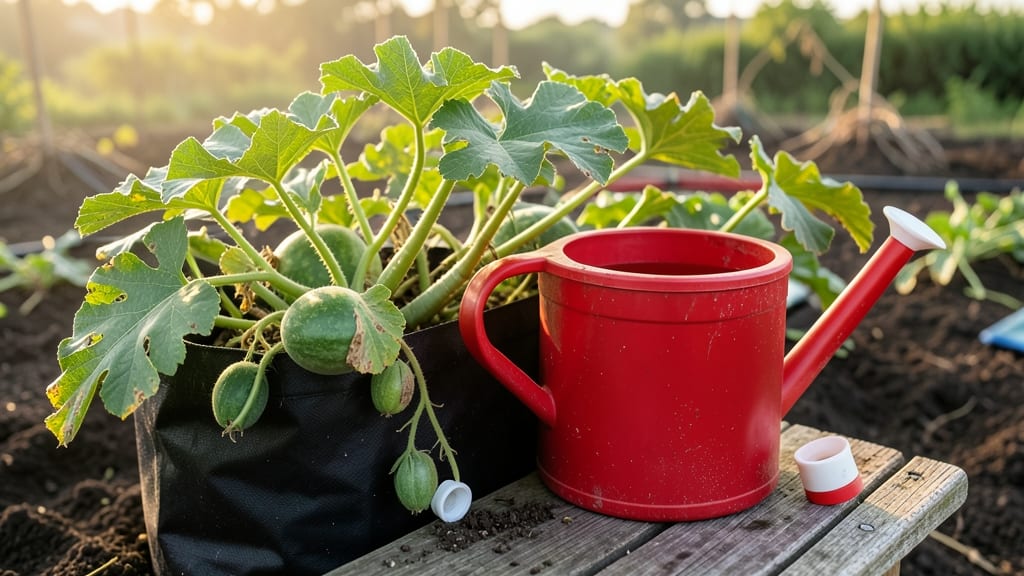
An overwatered watermelon plant with yellowing leaves and mushy stems isn’t a death sentence—it’s just begging for a break from the hose and some better drainage. 🌱 I’ve nursed back more than I’d like to admit, and the fix is simpler than you’d think: stop watering, improve drainage, and give the roots space to breathe.
The problem starts when soggy soil suffocates roots, blocking oxygen and inviting mold. You’ll know it’s overwatering if the soil smells like wet socks or leaves wilt even when the ground feels damp.
The good news? Watermelons bounce back fast when you adjust—just don’t let the soil stay soggy for more than a day.
Within a week, you’ll see new green leaves pushing through as roots recover. Prune any blackened vines to redirect energy, and soon you’ll be back to harvesting sweet, crisp fruit.
The key is checking soil moisture before watering—stick your finger in first, and wait until the top 2 inches feel dry.
This works for both in-ground plants and container-grown watermelons. Once you’ve saved one, you’ll spot the signs early next time—and your future harvests will thank you. Let’s get those vines thriving again.
Root Causes Of Overwatered Plants
Watermelon plants, like many other crops, are surprisingly delicate when it comes to moisture balance. Too much water can suffocate roots, disrupt nutrient uptake, and even trigger fungal diseases—leaving your vines wilted and struggling.
Understanding the why behind overwatering helps you fix the problem before it’s too late. Let’s break down the most common culprits:
Watermelon plants thrive in well-draining soil, but if your garden bed or containers lack proper drainage, excess water pools around the roots instead of draining away. This creates an anaerobic (oxygen-deprived) environment, where roots drown rather than absorb moisture efficiently.
- Compacted soil: Heavy clay or tightly packed dirt traps water like a sponge, preventing airflow to roots.
- Shallow planting: If watermelon vines are planted too close to the surface, roots can’t extend deep enough to escape soggy conditions.
- Improper containers: Pots without drainage holes or those made of non-breathable materials (like solid plastic) trap excess moisture.
💡 Pro Tip: Test your soil’s drainage by digging a 6-inch hole, filling it with water, and timing how long it takes to drain. If it takes more than 2 hours, amend the soil with perlite, sand, or compost to improve aeration.
Watermelons need consistent moisture, but their roots are sensitive to frequency and volume. Overwatering—whether from daily light sprinkles or heavy floods—tricks the plant into thinking it’s always wet, leading to:
- Root rot: Fungal pathogens like Pythium or Phytophthora thrive in waterlogged soil, attacking roots and cutting off nutrient flow.
- Nutrient leaching: Excess water washes away essential minerals (like nitrogen, potassium, and magnesium) before roots can absorb them.
- Weakened cell walls: Too much water dilutes the plant’s cellular structure, causing wilting even when soil is moist.
📊 Science Note: Watermelon plants prefer 1–1.5 inches of water per week, delivered deeply (soaking the root zone) rather than shallowly. Use a moisture meter or stick your finger 2 inches into the soil—if it’s damp, wait before watering again.
Young watermelon seedlings and newly transplanted vines have delicate, underdeveloped roots that can’t handle excess moisture. Unlike mature plants, they lack the depth and density to regulate water uptake, making them prone to:
- Osmotic stress: Roots absorb water faster than they can process it, leading to blossom-end rot (a common watermelon symptom) or leaf curl.
- Fungal infections: Damp seedlings are magnets for damping-off disease, which kills young plants at the soil line.
- Stunted growth: Overwatered seedlings divert energy to survival instead of producing strong vines or fruits.
✨ Solution: For seedlings, use well-draining seedling mix and water only when the top inch of soil is dry. After transplanting, reduce watering for the first week to encourage root establishment.
By identifying which of these factors is affecting your watermelon plant, you can take targeted action—whether it’s improving drainage, adjusting your watering routine, or supporting root growth. The good news? Reversing overwatering is possible with the right steps (coming up next!).
How to Revive a Soggy Watermelon Plant
Your watermelon vines might be drowning, but don’t toss them yet! With the right care, you can nurse them back to health—even if the roots are waterlogged. Below, we’ll break down the most common causes of overwatering and the practical fixes to save your plants.
Plus, we’ll share pro tips to keep your watermelons thriving long-term.
If your soil feels squishy or water pools at the surface, your plant is suffocating. The first step is to stop watering immediately and let the roots recover.
🔥 Step 1: Pause Watering Completely
- Skip watering for 2–3 days to let excess moisture evaporate.
- If the soil is mushy or smells sour, wait even longer—roots need air!
🍳 Step 2: Improve Drainage Poor drainage is the #1 reason watermelons drown.
Fix it with these tweaks: - Add organic matter: Mix in compost or coconut coir to help soil absorb and release water better. - Raise the plant bed: If growing in containers, elevate them on bricks or a trellis to prevent water pooling. - Check pots: Ensure containers have drainage holes—no exceptions!
🌡️ Step 3: Test Soil Moisture
Stick your finger 1–2 inches deep—if it’s damp, wait before watering again. A moisture meter (or even a wooden skewer) can help track progress.
If leaves turn yellow or mushy, root rot may have set in. Act fast!
🔪 Step 1: Trim the Damage
- Snip off yellowing or blackened leaves with clean scissors to prevent further spread.
- Disinfect tools with rubbing alcohol to avoid contaminating healthy growth.
👨🍳 Step 2: Repot if Necessary
- If root rot is severe, remove the plant gently and inspect roots.
- Trim rotted roots (they’ll look brown/mushy) and replant in fresh, dry potting mix.
- Add perlite or vermiculite (20–30%) to improve aeration.
⏰ Step 3: Adjust Watering Habits
- Water deeply but infrequently: Let the top 1–2 inches of soil dry out before watering again.
- Water in the morning so excess evaporates by night.
If leaves are limp but not rotting, the roots may be stressed but not dead. Revive them with better airflow.
💡 Step 1: Loosen Compacted Soil
- Gently fluff the top 2–3 inches of soil with a fork or your hands to help roots breathe.
- Avoid disturbing roots too deeply—just improve surface aeration.
🎯 Step 2: Mulch Correctly
- Apply 2–3 inches of straw or wood chips around the base (but not touching the stem) to retain just enough moisture.
- Avoid thick mulch—it traps moisture and worsens rot.
✨ Step 3: Fertilize Lightly
- Hold off on heavy feeding until the plant recovers (nitrogen can encourage more leaf growth before roots heal).
- Once stable, use a balanced, water-soluble fertilizer (like 10-10-10) to rebuild strength.
Once your watermelon plant is back on track, keep these habits to avoid future soggy soil:
| Problem | Fix It With… |
|---|---|
| Heavy clay soil | Amend with compost + perlite |
| No drainage holes | Repot in containers with holes |
| Overzealous watering | Set a reminder (watermelons need 1–2 inches of water per week) |
| Poor airflow | Space plants 3–4 feet apart |
| Container growing | Use self-watering pots with sensors |
Pro Tip: 🌡️ Monitor weather forecasts—if rain is predicted, hold off on watering to avoid double-drowning your plants!
With these steps, your watermelon vines should perk up in 1–2 weeks. Just remember: less is more when it comes to watering these thirsty (but not too thirsty) plants! 🍉💦
Frequently asked questions
How do I know if my watermelon plant is overwatered vs. underwatered?
Check the soil first—if it's soggy or smells musty, you're overwatering. Overwatered plants show yellowing leaves, mushy stems, and wilting despite damp soil. Underwatered plants have crispy brown edges on leaves and dry, pulling soil. The key difference: overwatered plants can't breathe, while underwatered ones can't drink.
Can I save my watermelon plant if the leaves are turning black and mushy?
Yes, but act fast! Black, mushy leaves mean root rot has set in. Trim the damaged leaves, repot in fresh dry, well-draining soil, and stop watering for 3-5 days. If roots look brown and slimy, trim them back to healthy white sections before replanting. With proper care, new growth should appear in 1-2 weeks.
What's the best way to fix poor drainage in my watermelon container?
Start by adding a 2-inch layer of gravel or perlite to the bottom of the pot before repotting. Use a mix of 50% potting soil and 50% compost for better aeration. Always ensure your container has drainage holes—if not, drill them yourself. For extra insurance, elevate the pot on a saucer or stand to prevent water pooling.
How often should I water my watermelon plant after fixing overwatering?
Once recovered, water only when the top 1-2 inches of soil feel dry—about 1-1.5 inches per week total. Always water deeply in the morning so excess evaporates by evening. Use a moisture meter if you're unsure. Remember: watermelons prefer thirst to drowning!
Will my watermelon still produce fruit if I've overwatered it?
Yes, but recovery timing matters. If you catch it early (1 week of overwatering), the plant may still produce fruit with proper care. After 2+ weeks of soggy conditions, flowering and fruiting may be delayed or reduced. Focus on reviving the roots first—healthy vines will rebound and produce fruit once stabilized.