Pests and Diseases
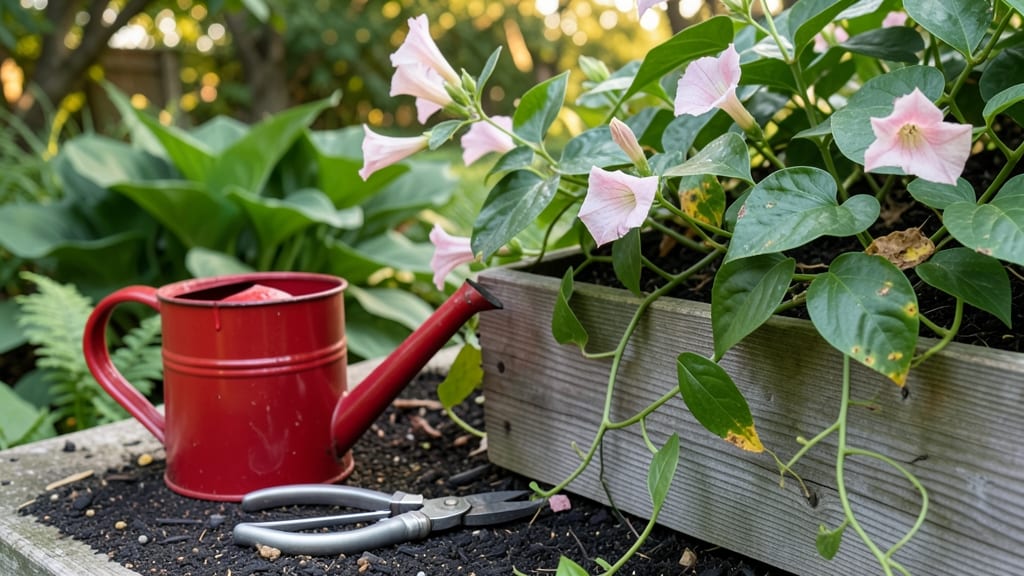
Mandevilla plant diseases like leaf spots and wilting can turn your vibrant tropical beauty into a sad, drooping mess if you don't catch them early. 🌿 I've seen healthy vines go from lush and green to struggling in just weeks, and the key to saving them is spotting the warning signs before they spread.
The good news? Most issues respond well to simple fixes once you know what to look for.
Fungal infections like powdery mildew or bacterial leaf spots often start with tiny yellow or brown specks that grow into larger dead patches. Wilting usually means overwatering, root rot, or even just too much heat stress—your plant’s way of saying, "I need help!"
The trick is checking the soil moisture, leaves, and stems regularly, especially after rain or when temperatures climb above 90°F. A quick inspection every few days keeps problems from sneaking up.
You’ll restore your Mandevilla’s health with a few targeted steps: prune affected leaves, adjust watering, and treat with neem oil or copper fungicide if needed. Within a week, you’ll see fresh growth pushing through, and those wilting stems will perk back up.
The best part? Healthy Mandevillas reward you with glossy leaves and clusters of fragrant blooms all summer long.
This works for both potted plants and those growing in the ground, so whether your Mandevilla is on a patio or tucked into a sunny corner of your yard, these fixes apply. Let’s get your plant back to its showstopping self before the next heatwave hits.
Root Causes Behind Mandevilla Struggles
Mandevilla plants—with their vibrant blooms and lush foliage—can quickly become a gardener’s pride. But when diseases strike, they often do so silently, lurking beneath the surface before symptoms appear.
Understanding why these issues arise is the first step to preventing them. Let’s break down the science behind the most common culprits.
Fungal diseases like Alternaria leaf spot and powdery mildew thrive when conditions are just right—warm, moist, and stagnant. Mandevillas, native to tropical regions, love humidity, but too much creates the perfect breeding ground for pathogens.
- Why it happens: Fungal spores float in the air and land on leaves, but they only germinate when humidity stays above 70% for prolonged periods. Poor air circulation (like crowded plants) traps moisture, while overhead watering soaks leaves instead of the soil, leaving water droplets as fungal highways.
- Science deep dive: Fungi release enzymes that break down the plant’s cuticle (its protective waxy layer), allowing them to invade cells. Alternaria, for example, produces toxins that create those telltale dark, concentric leaf spots.
- Actionable insight: Aim for 40–60% humidity around your mandevilla. Use a hygrometer to monitor levels and space plants 12–18 inches apart for airflow.
Bacterial leaf spot (Xanthomonas campestris) and other bacterial diseases don’t just appear—they hitch a ride on contaminated water, tools, or even your hands. Mandevillas are especially vulnerable when their roots sit in soggy soil.
- Why it happens: Bacteria enter through stomata (tiny leaf pores) or wounds (like pruning cuts). Once inside, they multiply rapidly in waterlogged conditions, clogging the plant’s vascular system and causing wilting or oily, water-soaked spots.
- Science deep dive: Bacteria produce extracellular polysaccharides, a slimy biofilm that protects them from drying out and antibiotics. This is why infected areas often look glossy or mucilaginous.
- Actionable insight: Water at the base of the plant (never overhead) and ensure pots have drainage holes. Sterilize pruners with 70% isopropyl alcohol between cuts.
Diseases like Phytophthora root rot don’t announce themselves—they start in the soil and silently weaken your mandevilla before you notice yellowing leaves or stunted growth.
- Why it happens: These pathogens thrive in compacted, waterlogged, or nutrient-poor soil. Mandevillas, being tropical, prefer well-draining mixes, but heavy clay or reused contaminated soil can harbor oomycetes (a fungus-like organism) that attacks roots.
- Science deep dive: Phytophthora produces zoospores—swimming spores that seek out root injuries. Once inside, they block nutrient uptake, leading to wilting even when soil is moist.
- Actionable insight: Use a soil test kit to check pH (ideal: 6.0–7.0) and amend with perlite or coconut coir for drainage. Avoid over-fertilizing with nitrogen, which encourages soft, disease-prone growth.
While pests like aphids and spider mites don’t cause diseases directly, their feeding creates entry points for pathogens. Aphids excrete honeydew, a sugary residue that fosters sooty mold—a fungal growth that smothers leaves.
- Why it happens: Pests weaken the plant’s defenses by piercing cells to feed, leaving it vulnerable to secondary infections. Honeydew also attracts ants, which spread fungal spores as they move.
- Science deep dive: Sooty mold (Capnodium spp.) doesn’t penetrate leaf tissue but blocks sunlight, reducing photosynthesis by up to 30%.
- Actionable insight: Inspect leaves weekly for pests. Use neem oil (a natural fungicide and insect repellent) or introduce ladybugs to control aphids.
Extreme temperatures, sudden drafts, or poor light can stress mandevillas, making them more susceptible to diseases. Think of it like a person with a cold—if their immune system is already compromised, infections take hold faster.
- Why it happens: Stress triggers the plant to close stomata (leaf pores), reducing gas exchange. This creates a microclimate where humidity builds up, and pathogens thrive. Cold nights (below 50°F) or hot afternoons (above 90°F) further weaken defenses.
- Science deep dive: Stress hormones like ethylene accumulate, altering cell walls and making them easier targets for pathogens.
- Actionable insight: Place mandevillas in partial shade during peak sun hours in hot climates. Use row covers for nighttime protection if temperatures dip.
Revive Your Mandevilla: Step-by-Step Fixes
When your Mandevilla’s leaves start showing signs of distress—whether it’s wilting, yellowing, or unsightly spots—acting fast can save the plant. Below are targeted solutions for common diseases, paired with prevention tips to keep your Mandevilla thriving. Think of this as your emergency care guide for a plant that’s fighting back!
**🔥 Cause: Fungal/bacterial spots (e.g., Alternaria, Septoria, or Pythium) Fungus and bacteria love damp, warm conditions—perfect for Mandevilla’s tropical roots. Spots start small (brown/yellow) but spread quickly if ignored.
🍳 Step 1: Prune the Problem Areas
- 🔪 Snip off infected leaves using sterilized pruners (wipe with rubbing alcohol between cuts).
- 🌡️ Remove leaves that are 50%+ diseased**—don’t wait for them to drop on their own.
- Pro Tip: Drop pruned leaves into a sealed bag (not the compost) to prevent spores from spreading.
👨🍳 Step 2: Apply Fungicide (Organic or Chemical)
| Option | How to Use | Best For |
|---|---|---|
| Neem Oil | Mix 1 tsp neem oil + 1 tsp mild soap + 1 quart water. Spray every 7–10 days. | Early-stage fungus, prevention |
| Copper Fungicide | Follow label rates (e.g., Cheshunt Compound). Spray at dawn to avoid leaf burn. | Severe bacterial/fungal spots |
| Baking Soda Spray | 1 tsp baking soda + 1 quart water + few drops of soap. Spray weekly. | Mild fungal issues, prevention |
⏰ Step 3: Adjust Care to Starve the Fungus - 💦 Reduce watering: Let the top 1–2 inches of soil dry between waterings.
Fungus thrives in soggy soil! - 🌬️ Improve airflow: Space plants 12–18 inches apart or prune nearby foliage blocking airflow. - ☀️ Increase sunlight: Move to bright, indirect light (4–6 hours/day). Fungus loves shady, humid spots.
**🔥 Cause: Root rot (Phytophthora, Pythium) from overwatering or compacted soil Wilting, yellowing leaves, and a mushy stem? Your Mandevilla is drowning. Root rot is sneaky—it can kill a plant in days if untreated.
🍳 Step 1: Emergency Root Rescue 1. 🪴 Remove the plant from its pot carefully. 2. 🧼 Rinse roots under lukewarm water to wash away excess soil. 3. 🔪 Trim black/mushy roots with sterilized scissors—keep only firm, white roots.
- 🌡️ Soak roots in fungicide (e.g., hydrogen peroxide 3% or mycorrhizal solution) for 10 minutes.
👨🍳 Step 2: Repot in Fresh, Fast-Draining Soil
- ✨ Use a mix of:
- 30% perlite/pumice (aeration)
- 10% worm castings (gentle nutrients)
⏰ Step 3: Adjust Watering & Monitor
- 💦 Water only when soil is bone-dry (stick your finger 2 inches deep—if dry, water).
- 🌡️ Avoid soggy soil: If your thumb sinks in easily, wait another day.
- ☀️ Move to bright light (Mandevilla needs 6+ hours of sun to recover).
- **💡 Cleanliness is key:
- Sterilize pruners and pots with
- Remove fallen leaves weekly to stop spore buildup.
🌟 Final Thought: Most Mandevilla diseases are preventable with proactive care. Once you spot the first signs, act fast—prune, treat, and adjust conditions. Your plant may need 2–4 weeks to bounce back, but with these steps, it’ll be blooming beautifully** again in no time! 🌸
Frequently asked questions
What are the first signs my Mandevilla has a fungal disease?
Look for tiny yellow or brown spots on leaves that grow into larger patches with white powdery coatings (powdery mildew) or dark concentric rings (leaf spot). Check the undersides of leaves first—fungus often starts there. Early action with neem oil spray can stop it before it spreads.
Can I still save my Mandevilla if the stems are mushy and black?
That’s likely root rot, but you may still save it by acting fast. Trim all blackened roots, repot in fast-draining soil, and reduce watering immediately. Place the pot in bright, indirect light and avoid letting soil stay wet. Recovery takes 2-4 weeks if you catch it early.
Why does my Mandevilla get diseases more often in summer?
Summer’s high heat and humidity create perfect conditions for fungal/bacterial growth. The combination of 90°F+ temps and 70%+ humidity gives pathogens a breeding ground. Improve airflow with a small fan, water at the base (not overhead), and prune crowded foliage to reduce moisture buildup.
Is baking soda really effective for treating Mandevilla leaf spots?
Yes! A baking soda spray (1 tsp baking soda + 1 quart water + few drops of soap) raises leaf pH, making it harder for fungi to thrive. Use it weekly as a preventive measure during humid months. For existing spots, combine it with pruning affected leaves for best results.
How often should I sterilize my pruners when treating diseased Mandevilla?
Always sterilize before and after each cut using 70% isopropyl alcohol or a 10% bleach solution. Diseased plants spread spores quickly, so clean tools prevent cross-contamination to healthy plants. Store pruners in a dry place between uses to maintain sharpness.