Picking
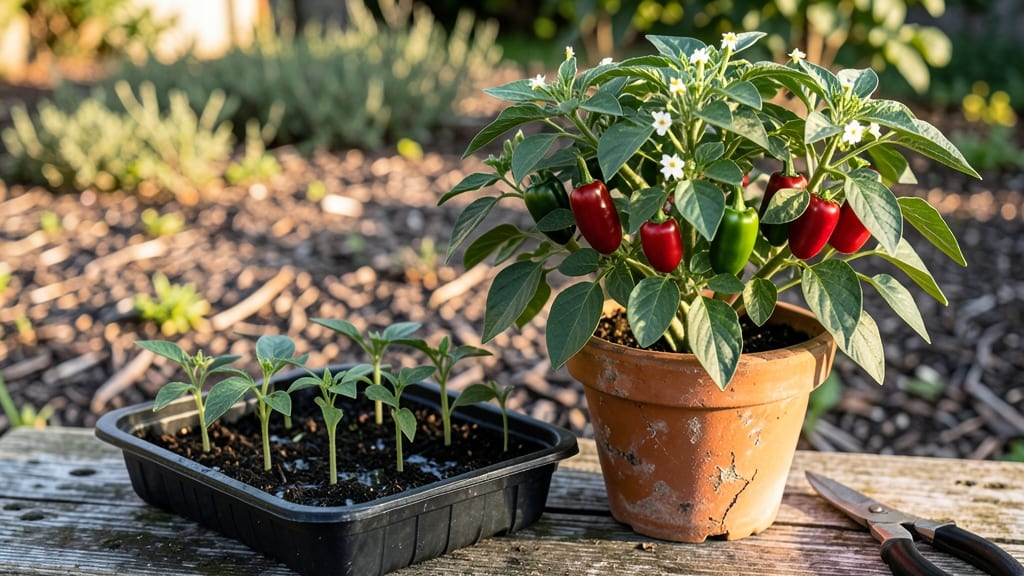
Planting pimento peppers transforms your garden into a hot sauce powerhouse—these sweet, thick-walled peppers are the secret ingredient behind that tangy, smoky depth. 🌱 I grew mine last summer, and by August, I had enough to ferment a batch that put my local grocery store's bottles to shame.
The key isn't just the plant; it's the right spot, soil, and a little patience to let those peppers ripen properly.
You'll need well-draining soil (mix in compost if yours is heavy), a sunny location with at least 6-8 hours of direct sunlight daily, and space—either 18-24 inches apart in-ground or a 5-gallon container per plant.
Pimento peppers thrive in warm climates (zones 9-11) but can be grown in cooler areas with a 4-6 week indoor start and protection from late frosts. The bigger mistake? Crowding them; they need room to breathe or risk disease.
Once planted, keep the soil consistently moist but not soggy—these peppers hate wet feet. A mulch layer helps retain moisture and keeps roots cool. By midsummer, you'll see those signature paddle-shaped peppers forming, and with proper care, they'll stay productive until frost.
The real payoff? Hand-picked peppers that turn your kitchen into a hot sauce lab—no store-bought shortcuts needed.
Pro tip: Pair them with basil or onions to repel pests naturally, and avoid planting near fennel (it stunts growth). If you're in a cooler zone, opt for container growing—it gives you mobility to move plants indoors before the first frost. Now grab those seeds and let's get growing!
📚 In This Guide
- What you need
- Instructions
- Tips and common mistakes
- Wrapping up and next steps
What you need
- ● Pimento pepper seeds: 10–20 seeds (or 3–5 plants if buying starts). Choose a variety like Pimiento de Padrón or Hungarian Wax Pepper for classic hot sauce flavors.
- ● Well-draining potting mix: 10–15 lbs (for containers) or enriched garden soil (for in-ground planting). Aim for a pH of 6.0–7.0.
- ○ Containers (optional but helpful): 5–6 inch pots (if starting indoors) or 12+ inch pots (for transplanting). Ensure they have drainage holes!
- ● Fertilizer: Balanced 10-10-10 or organic compost (e.g., worm castings) for nutrient-rich soil.
- ● Watering can or hose: With a gentle spray nozzle to avoid disturbing seedlings.
- ● Gloves: Heavy-duty gardening gloves (pimento peppers can be spicy to handle!).
- ● Trowel or small shovel: For transplanting seedlings or amending soil.
- ● Plant labels: Waterproof markers to track varieties (pimentos can look like bell peppers—don’t mix them up!).
- ○ Row covers or shade cloth (optional): 30–50% shade fabric to protect young plants from harsh sun or pests.
- ● Pruning shears: For trimming leggy stems or harvesting peppers.
- ● Warmth: Pimento peppers thrive in 70–90°F temps. Start seeds indoors 8–10 weeks before your last frost date or wait until soil is at least 60°F for direct sowing.
- ● Sunlight: Full sun (6–8+ hours daily). A south-facing window or grow lights work for seedlings.
- ● Patience: Pimentos take 70–90 days to mature—plan your harvest season accordingly!
Step-by-step instructions for planting pimento peppers
Here’s the straightforward method I’ve used to grow bold, flavorful pimento peppers—perfect for hot sauce or fresh eating.
🌱 Step 1: Choose the Right Location and Prepare the Soil
Pimento peppers thrive in full sun, so pick a spot that gets at least 6-8 hours of direct sunlight daily. If your garden gets partial shade, choose the sunniest area available—these peppers won’t tolerate low light. I always test the soil first by squeezing a handful; if it feels tight or clumps stubbornly, mix in 2-3 inches of compost to loosen it up.
Pimento peppers prefer well-draining soil with a slightly acidic to neutral pH (6.0-7.0). If your soil is heavy clay, amend it with 1-2 inches of coarse sand or perlite to improve drainage. Work the amendments into the top 12 inches of soil—this ensures roots have room to spread without sitting in soggy conditions. A quick soil test kit (available at garden centers) confirms you’re on the right track.
🪴 Step 2: Plant Seeds or Transplants at the Right Time
Start seeds indoors 8-10 weeks before your last frost date if your climate has a short growing season. I use biodegradable seedling pots to avoid disturbing roots later. Plant seeds ¼ inch deep, cover lightly with soil, and keep them in a warm spot (70-80°F) until germination, which usually takes 7-14 days. Once seedlings have 2-3 true leaves, they’re ready to harden off.
For transplants, wait until after the last frost and soil temperatures reach at least 60°F. Space plants 18-24 inches apart in rows 2-3 feet apart—this gives them room to grow without competing for nutrients. Dig a hole slightly deeper than the root ball, place the plant in, and backfill with soil, pressing gently to eliminate air pockets. Water deeply right after planting to settle the soil.
☀️ Step 3: Water and Fertilize for Strong Growth
Pimento peppers need consistent moisture, especially during flowering and fruiting. Water 1-1.5 inches per week, aiming for the soil (not the leaves) to prevent fungal diseases. You’ll know it’s time to water when the top inch of soil feels dry—stick your finger in to check. Drip irrigation or soaker hoses work best to keep foliage dry.
Fertilize lightly at planting with a balanced, slow-release fertilizer (10-10-10). When flowers appear, switch to a low-nitrogen, high-phosphorus fertilizer (5-10-10) to encourage fruiting. I avoid over-fertilizing—too much nitrogen makes plants leafy but fruitless. Watch for yellowing leaves, which can signal overwatering or nutrient imbalance, and adjust accordingly.
✂️ Step 4: Prune and Support for Maximum Yield
Pinch off the first few flowers that appear to redirect the plant’s energy into stronger stems. Once the plant is established, prune suckers (the small shoots that grow in the leaf axils) to focus growth on fruit production. I also remove any yellow or diseased leaves immediately to keep the plant healthy.
Pimento peppers can get top-heavy with fruit, so provide cages or stakes early if your plants are tall. Tie stems loosely to supports with soft plant ties—tight bindings can damage the stems. Harvest peppers when they’re bright red and firm (about 2-3 inches long) for the best flavor. Regular harvesting encourages more production throughout the season.
⏰ Step 5: Extend the Season and Prepare for Winter
If you’re in a cooler climate, use row covers or cold frames to protect plants from early frosts. Pimento peppers are tender annuals, so they won’t survive winter outdoors. Before the first frost, harvest any remaining peppers and compost the plants (unless disease is present—then dispose of them in the trash). Save seeds from your best peppers by letting a few ripen fully on the plant, then drying and storing them in a cool, dark place.
For next year, mark your planting spot—pimento peppers do well in the same location if soil health is maintained. I always add a 2-inch layer of mulch in early spring to retain moisture and suppress weeds. With these steps, you’ll have a bountiful harvest of pimento peppers ready for hot sauce, stuffing, or fresh eating!
Tips & tricks for perfect pimento pepper planting
These simple tricks will help you grow bold, flavorful pimento peppers that’ll make your hot sauce stand out.
Sunlight Secret: Those 6-8 hours of sunlight are non-negotiable, but here's the thing: morning sun is more important than afternoon. I always plant mine facing east to capture that early light, which gives the plants the energy boost they need to thrive. A simple trick—if your garden has partial shade, choose the sunniest spot and consider adding a small trellis to elevate plants slightly for better light exposure.
Soil Prep Game-Changer: When testing your soil, look for both texture AND smell. Healthy soil should smell earthy, not sour or chemical-like. If you're in a clay-heavy area, mix in that 1-2 inches of perlite or coarse sand right into the top 12 inches—don't just sprinkle it on top. I use a garden fork to loosen the soil first, then work in amendments. This creates the perfect airy environment pimento peppers love.
Timing is Everything: For indoor seed starting, that 70-80°F warm spot is critical—use a seedling heat mat if needed. I place my trays on top of my refrigerator (which stays warm) for consistent germination. And here's what nobody tells you: once your seedlings have 2-3 true leaves, harden them off gradually over 7-10 days by moving them outside for increasing amounts of time each day. This prevents shock when you eventually transplant them.
Watering Wisdom: The 1-1.5 inches per week guideline works for most climates, but check that top inch of soil daily during flowering and fruiting—pimento peppers are thirsty then! I water in the morning so foliage has time to dry before evening, which prevents fungal issues. A simple drip irrigation system on a timer makes this effortless and ensures consistent moisture without overwatering.
Pro Tips for Planting Pimento Peppers
- These simple tricks will help you grow bold, flavorful pimento peppers that’ll make your hot sauce stand out.
- Sunlight Secret: Those 6-8 hours of sunlight are non-negotiable, but here's the thing: morning sun is more important ...
- Soil Prep Game-Changer: When testing your soil, look for both texture AND smell. Healthy soil should smell earthy, no...
Frequently asked questions
Got questions about growing your own fiery pimento peppers? You’re in the right place! Here are answers to the most common queries from fellow pepper enthusiasts.
How long does it take for pimento peppers to mature and produce fruit?
Pimento peppers typically take 75–90 days to mature from transplanting, depending on the variety and growing conditions. Start seeds indoors 8–10 weeks before your last frost for a head start. Patience is key—consistent warmth and sunlight speed up the process!
Can I grow pimento peppers in cooler climates?
Yes, but with adjustments! Pimentos thrive in USDA Zones 9–11, but you can grow them in cooler areas by:
- Starting seeds indoors early (March–April).
- Using black plastic mulch to warm the soil.
- Planting in containers and moving them indoors when temps drop below 50°F.
Or try a shorter-season variety like ‘Cherokee Purple’ for a cooler-climate twist!
What can I do if my pimento peppers aren’t fruiting?
Blame it on the basics: light, heat, and nutrients. Check for:
- At least 6–8 hours of sunlight daily—move plants if shaded.
- Soil temps above 65°F (use a heat mat if needed).
- Balanced fertilizer (high in phosphorus) to encourage flowering.
- Hand-pollinate flowers with a paintbrush if bees are scarce.
Pimentos are finicky but reward persistence!
Are pimento peppers easy to grow compared to other hot peppers?
Moderately! They’re less fussy than habaneros but need more care than bell peppers. Key differences:
| Factor | Pimento Peppers | Other Hot Peppers |
|---|---|---|
| Heat Tolerance | Loves warmth (65°F+) | Varies (e.g., jalapeños adapt better to cooler temps) |
| Fruit Production | Slower to set fruit; needs hand-pollination sometimes | Faster (e.g., cayennes produce prolifically) |
| Pest Susceptibility | Prone to aphids and spider mites | Depends on variety (e.g., ghost peppers resist pests better) |
Think of them as the “diva” of the pepper world—they demand attention but deliver bold flavor!
Can I use pimento pepper plants for more than just hot sauce?
Beyond hot sauce, pimentos shine in:
- Pickling (whole or sliced for tangy heat).
- Stuffed peppers (stuff with cheese or rice for a smoky kick).
- Dried flakes (toast and grind for homemade chili powder).
- Infused oils/vinegars (steep in olive oil for 2 weeks).
Get creative—your garden’s the spice cabinet!
Wrapping up and next steps
Planting pimento peppers is your ticket to a fiery, flavor-packed harvest—whether you’re dreaming of homemade hot sauce or spicy dishes!
With the right soil, sunlight, and care, these vibrant peppers thrive and reward you with bold, aromatic fruit. Now’s the time to grab those seeds, get your hands dirty, and grow your own heat!
Ready to take the next step? Start small:
- Pick 3-5 plants to experiment with varieties.
- Keep a harvest journal to track growth and spice levels.
- Share your progress (and recipes!) with fellow spice enthusiasts—the community loves a good pepper story! 🌶️