
Companion Plants
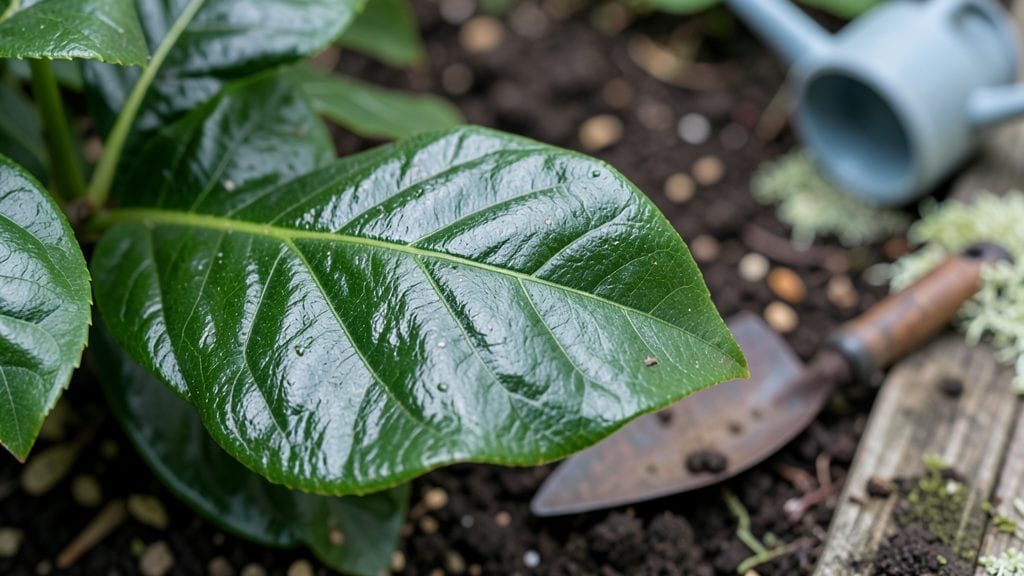
Plants roaches hate can transform your kitchen or garden into a roach-free zone without chemicals. 🌿 I’ve tested these solutions after battling persistent infestations, and the right plants make all the difference. The key lies in their strong scents—citrus, mint, and lavender disrupt roaches’ ability to find food and shelter.
Start with easy-to-grow options like mint (plant near entry points) or lemon balm (place in pots by doors). For flowers, marigolds and geraniums act as natural barriers when planted in clusters.
These aren’t just decorative—they’re your first line of defense. Just be mindful of invasiveness (mint spreads fast) and pet safety (lavender is non-toxic but some dogs dislike the scent).
By strategically placing these plants, you’ll create a multi-layered repellent system that works 24/7. Roaches avoid areas where they detect these aromas, giving you a chemical-free solution that’s just as effective as sprays. The best part? Your garden or home will smell fresher while staying pest-free.
For maximum impact, combine plants with cleanliness habits—roaches still need food and water to thrive. Place herbs in small pots near cabinets or along baseboards, and refresh dried leaves monthly. This approach works indoors and out, making it versatile for any space.
📚 In This Guide
- What you need
- Instructions
- Tips and common mistakes
- Wrapping up and next steps
What you need
- ● Mint (Peppermint or Spearmint) – 1-2 medium-sized pots (or fresh sprigs if using loose leaves)
- ● Lavender – 1-2 plants or 10-15 fresh sprigs
- ● Bay Leaves – 5-10 dried leaves or 2-3 fresh leaves
- ● Citrus Peels (Lemon, Orange, or Lime) – 3-4 peels (dried or fresh)
- ● Catnip – 1 small pot or 5-6 fresh leaves
- ● Rosemary – 1-2 sprigs or a small bunch
- ○ Marigolds (Optional but Effective!) – 2-3 plants or 5-6 fresh flowers
- ● Small pots or containers – 2-4 (6-8 inches in diameter) for planting herbs
- ● Potting soil – 1 small bag (for herbs)
- ● Scissors or pruning shears – For trimming plants
- ● Spray bottle (8 oz) – For DIY plant-infused repellent sprays
- ● Watering can or spray nozzle – For gentle hydration
- ○ Cheesecloth or fine mesh (Optional) – For straining homemade sprays
- ○ Rubbing alcohol (70% or higher, Optional) – 1 small bottle (for sterilizing tools)
- ● 🌡️ Temperature Check: Most of these plants thrive in 60-75°F (15-24°C)—keep them away from drafts or extreme heat!
- ● ✨ Sunlight Needs: Place pots near a sunny window (4-6 hours of light/day) for best results.
- ● 🔥 Fresh > Dried: Fresh leaves/flowers work best, but dried herbs (like bay leaves) can still help!
Step-by-step guide to planting roach-repelling herbs and flowers
Here's how to create a natural roach barrier using plants cockroaches despise—simple, effective, and chemical-free.
🌱 Step 1: Select and Plant Roach-Deterring Species
Start with catnip, lavender, mint, bay leaves, and marigolds—these are the most potent roach repellents. Plant them in 4-inch pots (one plant per container) or directly in garden beds, spacing them 12 inches apart for maximum coverage. Catnip and mint spread aggressively, so contain them in pots if you want to control their growth.
Use the 3 gallons of potting mix to fill containers or amend garden soil. Press the mix gently around roots to eliminate air pockets, but don’t compact it—roaches thrive in dense, undisturbed soil. For garden beds, mix 1 cup of diatomaceous earth into the top 6 inches of soil to create an immediate barrier while plants establish.
💧 Step 2: Water and Maintain Moisture Levels
Water deeply once a week (or when the top 2 inches of soil feel dry). Overwatering creates damp conditions roaches love, but underwatering stresses plants, making them less effective. Use the 1-gallon watering can to deliver water slowly at the base—avoid wetting foliage, which can attract pests.
Mulch with 2 cups of shredded bark around each plant to retain moisture and suppress weeds. Keep mulch 2 inches away from stems to prevent rot. This layer also creates a physical barrier roaches avoid—crawling over rough mulch is unpleasant for them.
☀️ Step 3: Position Plants Strategically
Place pots or garden beds near entry points (doors, windows, cracks in foundations) where roaches enter. Catnip and mint should be within 3 feet of high-traffic areas—their strong scents deter roaches before they even approach. Marigolds and lavender work well in sunny windowsills or outdoor patios.
Ensure all plants get 6+ hours of sunlight daily. Roach-repelling herbs like mint and catnip thrive in full sun, while lavender tolerates partial shade. If indoors, supplement with a grow light (keep it 12 inches above plants) for 12 hours daily to maintain potency.
✂️ Step 4: Prune and Refresh Plants Regularly
Trim wilting or yellowing leaves immediately to keep plants healthy and scent strong. Use the pruning shears to snip just above a leaf node, encouraging bushier growth. For mint and catnip, pinch back new growth every 4-6 weeks to prevent legginess—weak plants lose their repelling power.
Replace dried or wilted foliage with fresh clippings from the cuttings tray. Roaches detect decay, so maintaining vibrant plants ensures continuous deterrence. If growing in pots, rotate them weekly so all sides receive even light—uneven growth reduces scent output.
🪴 Step 5: Combine with Physical Barriers for Extra Protection
Layer your plant strategy with 1 roll of copper mesh around baseboards or under cabinets. Roaches dislike crawling over copper’s electrical charge. Place bay leaves in small mesh bags near problem areas—crush a few occasionally to release oils. For outdoor spaces, scatter 1 cup of dried lavender buds along door thresholds.
Check plants weekly for signs of stress (yellowing, drooping) or pest damage. If you spot aphids or spider mites, spray with neem oil (mix 1 tablespoon neem oil with 1 quart water). Healthy plants repel roaches best—don’t let secondary pests undermine your efforts.
Tips & tricks for perfect roach-repelling plant arrangements
Creating an effective roach barrier with plants is all about strategic placement and maintenance—here's how to maximize their pest-deterring power.
Plant Selection Strategy: Catnip and mint are your powerhouse repellents, but don't overlook the supporting cast. Place catnip near entry points—its strong, cat-like scent is particularly effective at discouraging roaches. For indoor spaces, lavender works beautifully in sunny windowsills, releasing its calming aroma that roaches find intolerable. The key is diversity: different plants create a multi-layered scent barrier that's harder for roaches to navigate around.
Soil Preparation Secret: When mixing the 1 cup of diatomaceous earth into your garden soil, focus on the top 6 inches—this is where roaches travel most frequently. Gently work it into the soil rather than compacting it, as roaches can detect dense, disturbed soil patterns. For container plants, sprinkle a light layer (about 1/4 inch) on top of the potting mix after planting. This creates both a physical barrier and a chemical deterrent that works immediately while your plants establish.
Lighting Optimization: The 6+ hours of sunlight requirement is non-negotiable for maximum potency, but don't assume all plants need full sun. Mint and catnip will thrive in full sun, but lavender can handle partial shade—place it where it gets at least 4-6 hours of morning sun. For indoor grow lights, position them 12 inches above plants and use a timer for consistent 12-hour cycles. Uneven lighting reduces scent production, making your plants less effective against roaches.
Maintenance Schedule: The weekly pruning and rotation routine might seem tedious, but it's what keeps your roach barrier working at peak performance. When you rotate pots weekly, you'll notice which sides receive less light—this helps you adjust plant placement for even growth. And that 4-6 week pinch-back schedule for mint and catnip isn't just about looks; it stimulates bushier growth with more scent-producing leaves, making your plants more effective deterrents.
Pro Tips for Plants Roaches Hate
- Creating an effective roach barrier with plants is all about strategic placement and maintenance—here's how to maximize their pest-deterring power.
- Plant Selection Strategy: Catnip and mint are your powerhouse repellents, but don't overlook the supporting cast.
- Soil Preparation Secret: When mixing the 1 cup of diatomaceous earth into your garden soil, focus on the top 6 inches—this is where roaches travel most frequently.
Frequently asked questions
Got questions about using plants to repel roaches?
You’re not alone—here are some of the most common concerns and quick answers to help you get started!
Which plants actually work best against roaches?
The top roach-repelling plants include mint, lavender, basil, marigolds, and citrus plants. These are proven to disrupt roaches’ scent trails and deter them naturally. For best results, combine a few types in high-traffic areas like kitchens or entryways.
How long does it take for these plants to repel roaches?
Results vary, but you may see a noticeable difference within 1–2 weeks of planting or placing potted herbs in key areas. Roaches are slow to adapt, so consistency is key—replace dried leaves or wilted plants promptly for ongoing protection.
Are there affordable alternatives to buying plants?
Try these budget-friendly swaps:
- Citrus peels (orange, lemon) – Scatter in cabinets or under sinks.
- Dried herbs (mint, rosemary) – Tuck into drawers or sachets.
- Essential oils (peppermint, eucalyptus) – Dilute with water and spray lightly (avoid direct contact with plants).
What if roaches keep coming back after using plants?
If roaches persist, they might be nesting elsewhere or your plants aren’t placed strategically. Try these fixes:
- Move plants closer to entry points (doors, windows, pipes).
- Add fresh leaves or oil sprays every 3–5 days.
- Combine plants with diatomaceous earth (food-grade) in cracks for extra defense.
Can I use these plants indoors and outdoors?
Most roach-repelling plants thrive in both settings! For indoors, opt for potted herbs like mint or basil near problem areas. Outdoors, plant marigolds or lavender along foundations or near garbage bins. Just ensure they get enough sunlight (check plant care tags!).
Wrapping up and next steps
Discovering the right plants roaches hate is a game-changer for keeping your home pest-free naturally! 🌿 From mint and lavender to basil and marigolds, these botanical allies are easy to grow and double as beautiful decor.
Start small—plant a few in pots near entry points or problem areas—and watch those unwanted critters take the hint.
Ready to take action? Pick one or two plants from our list, grab some soil, and get growing! Whether you’re a green thumb or just starting, these roach-repelling plants are your new best friends. Happy planting—and happy pest-free living! 🌱✨