Container Gardens
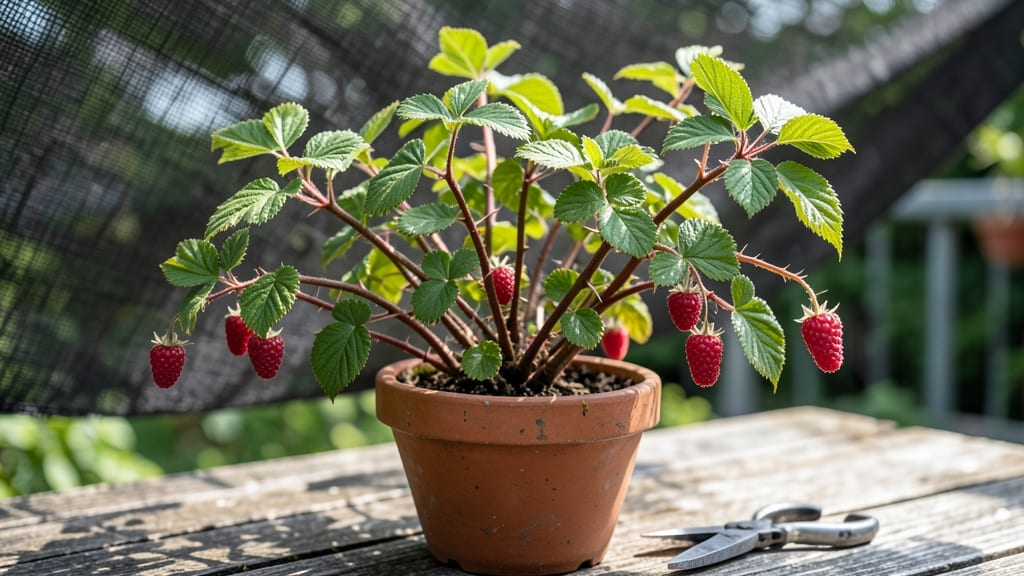
My potted raspberry plants delivered a surprisingly abundant harvest last July—proof that even small balconies can yield sweet summer berries without a yard. The key isn’t just choosing the right container or soil mix; it’s understanding how raspberry canes behave when their roots are confined.
I’ve learned that potted raspberries need at least 15-gallon containers to support strong root systems, and the pruning schedule changes dramatically when you’re not working with a full-size plant.
Most people assume potted raspberries are high-maintenance, but the truth is they thrive with the same care as in-ground plants—just scaled down. You’ll need well-draining soil mixed with compost, consistent moisture (never soggy), and 6+ hours of sunlight daily. The real game-changer?
Pruning three times a year instead of once, since canes grow faster in containers and need regular shaping to prevent overcrowding. I’ve had plants produce fruit for two consecutive seasons using this approach, something I never expected from container-grown berries.
What you’ll end up with is a compact, productive plant that bears fruit reliably year after year. The berries taste just as sweet as garden-grown ones, and the canes stay manageable even in small spaces.
You’ll also avoid the common issues of in-ground raspberries—like birds stealing every berry or soil-borne diseases—because containers give you complete control over the environment. The first year is about establishing strong roots; by year two, you’ll be harvesting pints of berries without the space commitment of a traditional garden.
This method works for both summer-bearing and everbearing varieties, though everbearing types need slightly more frequent pruning to keep them productive. Whether you’re on a balcony, patio, or even a sunny windowsill (with grow lights), the principles stay the same.
The biggest mistake I see is using containers that are too small—so start with something roomy, and you’ll avoid years of struggling with weak canes. Ready to turn those berry dreams into reality?
📚 In This Guide
- What you need
- Instructions
- Tips and common mistakes
- Wrapping up and next steps
What you need
- ● Potted raspberry plants: 1–3 bare-root or container-grown Rubus idaeus (choose summer-bearing or fall-bearing varieties). Opt for dwarf or semi-dwarf varieties (e.g., 'Heritage,' 'Boyne,' or 'Caroline') for containers.
- ● Large containers: 5-gallon pots or larger (minimum 18–24 inches deep and 12–18 inches wide). Ensure pots have drainage holes and saucers.
- ● High-quality potting mix: 1–2 bags of well-draining, organic potting soil (avoid garden soil—it compacts!). Mix in perlite or vermiculite (10–20%) for aeration.
- ● Slow-release fertilizer: 1–2 cups of balanced granular fertilizer (10-10-10 or 5-10-10) or organic options like composted manure or worm castings.
- ● Mulch: 2–3 inches of straw, wood chips, or shredded leaves to retain moisture and suppress weeds.
- ● Support system: 1–2 6–8-foot bamboo stakes or wire cages per plant to train canes.
- ● Gloves & pruning shears: Sharp, sterilized pruners (or small hand shears) for trimming canes.
- ● Watering can or hose with a gentle nozzle: Raspberry plants need 1–1.5 inches of water weekly (more in heatwaves).
- ○ pH test kit: Optional but helpful—raspberries thrive in pH 5.5–6.5. Adjust with sulfur (to lower) or lime (to raise).
- ● Epsom salt: 1 tbsp monthly during fruiting season for magnesium boosts.
- ● Drip irrigation or soaker hose: For consistent moisture without overwatering.
- ● Fungicide (copper-based or neem oil): Preemptive measure against powdery mildew or rust.
Step-by-Step guide to pruning potted raspberry plants
Here’s how to keep your raspberries productive and healthy year after year—no guesswork involved.
Identify and Remove Winter-Damaged Canes
In late winter or early spring, before new growth begins, inspect each cane for signs of winter damage. Look for blackened, mushy stems or those that snap easily when bent—these won’t recover. Healthy canes have firm, green bark and flexible stems. I like to run my fingers along the length of each cane to feel for soft spots or cracks.
Use clean, sharp pruning shears to cut these damaged canes at the base, just above a bud or lateral branch. Never leave stubs—this invites disease. If more than half your canes are damaged, consider replacing the plant, as raspberries are sensitive to repeated winter stress. Discard the pruned canes in the trash, not the compost, since they may harbor fungal spores.
Prune Summer-Fruiting Canes After Harvest
Once your summer-bearing raspberries have finished producing fruit, focus on the canes that bore this year’s crop. These will be the older, thinner stems—typically the ones that fruited last summer. Using your pruning shears, cut these canes back to the ground at the soil line. The key here is timing: wait until after the first hard frost to prune, as this helps the plant harden off for winter.
I always prune on a dry day to reduce the risk of fungal infections. After cutting, rake up and remove the pruned canes immediately to prevent them from harboring pests or diseases. This step opens up space for next year’s primocanes (new growth) to thrive, ensuring a bountiful harvest in the following season.
Thin Primocanes in Early Summer
By early summer, you’ll see a flush of new growth—these are your primocanes, the canes that will fruit next year. The goal now is to thin them out to 4-6 of the strongest, healthiest canes per pot. Weak, spindly, or crossing canes should go first. Use your pruning shears to cut these at the base, leaving only the most vigorous stems.
This thinning isn’t just about aesthetics—it ensures each remaining cane gets enough sunlight, air circulation, and nutrients. I like to space the canes evenly around the pot to promote even growth. If you’re growing fall-bearing varieties, you’ll also need to prune out any floricanes (last year’s fruiting canes) that haven’t produced yet, as they’ll compete with the primocanes.
Light Pruning for Airflow in Late Summer
As your raspberries enter late summer, focus on maintaining airflow within the plant. Look for canes that are growing inward or crossing over others—these create shaded, humid pockets where fungal diseases like cane blight thrive. Use your pruning shears to trim back any overcrowded or tangled growth, cutting just above a bud or lateral branch.
This is also the time to remove any suckers growing from the base of the plant. While they might seem like free extra canes, they drain energy from the main plant. Cut them off at the soil line immediately. A little extra attention now means fewer problems—and more fruit—next season.
Tips & tricks for pruning potted raspberry plants
Mastering these seasonal pruning techniques will transform your potted raspberries from struggling to spectacular.
Tool Preparation: Always sterilize your pruning shears with rubbing alcohol between cuts to prevent spreading disease from damaged to healthy canes. I also keep a small bucket of soapy water nearby to clean tools during pruning sessions—this is especially important when working with winter-damaged canes that may harbor fungal spores. Sharp tools make cleaner cuts that heal faster, so hone your shears before starting. A well-maintained tool will glide through canes with minimal resistance, reducing plant stress.
Seasonal Timing Insight: The timing in Step 2—waiting until after the first hard frost—is critical for winter hardening. This cold exposure triggers the plant's natural defenses, making it more resilient against spring pests. I've found that pruning too early can expose tender new growth to late-season frosts, while waiting too long risks leaving old canes that drain energy from new primocanes. Mark your calendar for the first hard frost date in your region, then schedule pruning for 2-3 weeks after that.
Visual Cane Assessment: When evaluating canes in Step 1, look for three key indicators: bark color (healthy is green/brown, damaged is black), stem flexibility (healthy bends slightly, damaged snaps), and bud condition (healthy buds are plump and brown, damaged buds are shriveled). I developed a simple touch test—run your thumb along the cane's length. A healthy cane feels smooth with slight ridges, while damaged canes have rough, pitted surfaces. This tactile method helps identify subtle damage that visual inspection might miss.
Pruning Waste Management: Never compost pruned raspberry canes, even if they appear healthy. The fungal spores that cause cane blight and other diseases can survive in compost and reinfect your plants. Instead, bag the prunings in a sealed plastic bag and dispose of them in your regular trash. I also recommend burning larger prunings if local regulations allow—this eliminates spores completely. Proper disposal prevents next year's crop from facing the same problems.
Pro Tips for Potted Raspberry Plants
- Mastering these seasonal pruning techniques will transform your potted raspberries from struggling to spectacular.
- Tool Preparation: Always sterilize your pruning shears with rubbing alcohol between cuts to prevent spreading disease...
- Seasonal Timing Insight: The timing in Step 2—waiting until after the first hard frost—is critical for winter hardeni...
Frequently asked questions
Got questions about growing potted raspberry plants? You’re not alone—container gardening with these berry powerhouses comes with unique challenges. Below, we’ve rounded up the most common queries to help you cultivate thriving canes, from pruning puzzles to harvest hacks.
Can raspberries really grow well in pots?
Raspberry canes thrive in containers with the right setup—at least 18–24 inches deep and wide enough for 2–3 canes. Just ensure the pot has drainage holes and use a well-draining, nutrient-rich soil mix. Varieties like heritage raspberries or summer-bearing types adapt best to pots, while everbearing types may need extra care to balance fruiting and growth.
When is the best time to prune potted raspberries?
Timing matters! For summer-bearing varieties, prune in late winter or early spring (before buds swell) to remove dead canes and thin crowded stems. Everbearing types need two prunes: first in spring (after harvest) to remove old canes, and again in late summer to trim new growth for next year’s fruit. Always sterilize pruners to prevent disease.
What if my potted raspberries aren’t fruiting?
No berries? Don’t panic—it’s often due to underpruning, poor pollination, or insufficient sunlight. Check these fixes:
- Prune aggressively in winter to encourage new, fruiting canes.
- Move pots to a sunnier spot (6+ hours of light daily).
- Hand-pollinate with a soft brush if bees are scarce.
- Fertilize with a balanced organic fertilizer in early spring.
How do I protect potted raspberries from extreme heat or cold?
Containers heat up and cool down faster than ground soil, so insulate and monitor your pots:
- Heat: Use light-colored pots or shade cloth (30–50% coverage) to reduce stress. Mulch with straw to retain moisture.
- Cold: Move pots to a sheltered spot or wrap the container in bubble wrap for winter. Everbearing types may need winter protection in zones below 5.
Can I grow raspberries in a hanging basket or small planter?
Not ideal! Raspberry canes need depth and stability—hanging baskets or shallow planters (under 12 inches deep) won’t support their root systems or heavy fruit. Instead, opt for large fabric grow bags (20+ gallons) or wooden barrels for better drainage and aeration. If space is tight, choose dwarf varieties like ‘Heritage’ or ‘Boyne.’
Wrapping up and next steps
Growing potted raspberry plants is a rewarding way to enjoy fresh berries year after year—with the right care, especially when it comes to seasonal pruning! 🌱 By mastering the three key pruning tricks (summer thinning, winter cleanup, and spring shaping), you’ll keep your canes productive, healthy, and full of flavor.
Whether you’re a beginner or a seasoned gardener, these techniques make container gardening a breeze.
Now that you’re armed with the know-how, roll up your sleeves and give it a try! Start small with one or two plants, experiment with your pruning timing, and watch your raspberry harvest grow. Happy gardening—your taste buds (and Instagram feed) will thank you! 🍓✨