
Pruning
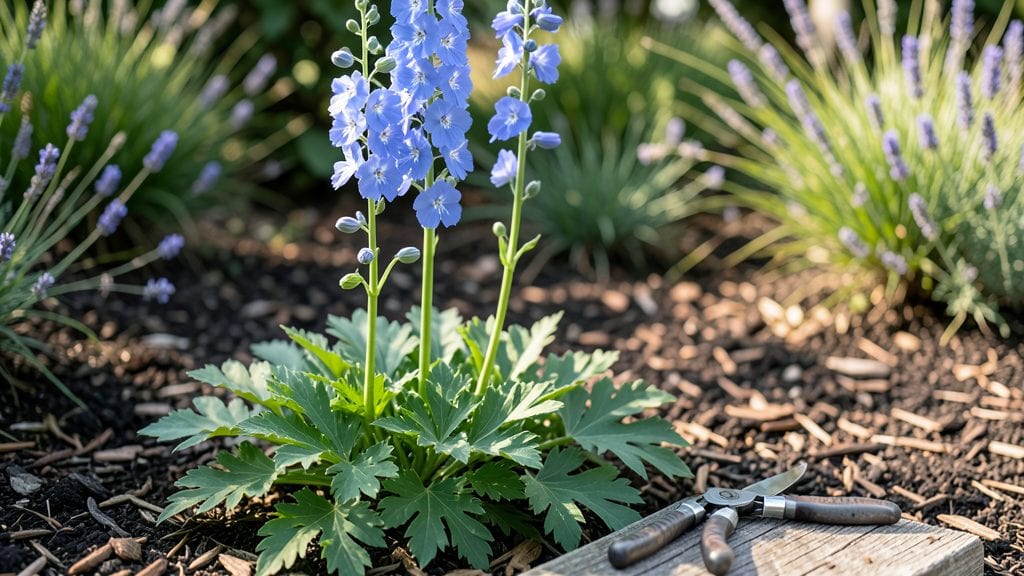
Pruning delphinium plants isn't just about keeping them tidy—it's the secret to those 6-foot-tall spikes of blue and purple blooms that make neighbors stop and stare. 🌿 I've learned the hard way that skipping this step means fewer flowers and weaker stems, but once you master it, your delphiniums will reward you with bold, showstopping blooms for years.
The best part? You don’t need fancy tools or years of experience—just a sharp pair of shears and a little timing.
Timing is everything with delphiniums. Cut back spent blooms as soon as they fade to encourage new growth, and give the plant a hard prune in early fall to prep for winter.
Most gardeners avoid pruning in late summer, but that’s when delphiniums actually start storing energy for next year’s blooms. I’ve seen plants go from leggy and sparse to vibrant and bushy just by following this simple routine.
What you’ll get from proper pruning is a plant that blooms longer, stronger, and taller than anything you’ve seen before. Those towering stems won’t flop under the weight of flowers, and you’ll avoid the heartbreak of seeing blooms rot on the stalk.
The key is consistency—don’t wait until the plant looks sad to act, and always cut just above a set of healthy leaves.
This method works for all delphinium varieties, whether you’re growing the classic Pacific Giant or the smaller, compact types. The principles stay the same, so you can apply this to your entire garden. Ready to transform those floppy stems into garden-center showstoppers? Let’s get started.
📚 In This Guide
- What you need
- Instructions
- Tips and common mistakes
- Wrapping up and next steps
What you need
- ● Sharp pruning shears or bypass pruners – Choose sterilized, bypass-style shears (4-6" blades) to make clean cuts without crushing stems. (1-2 pairs recommended for larger plants.)
- ● Garden gloves – Opt for nitrile-coated gloves (size medium/large) to protect against thorns and sap.
- ● Disinfectant (rubbing alcohol or 10% bleach solution) – Wipe shears between cuts to prevent disease spread.
- ● Compost bin or bag – For removing spent blooms and debris.
- ○ Stakes or support ties (optional but helpful) – Lightweight bamboo stakes (5-6 ft tall) or soft plant ties to secure pruned stems if needed.
- ● Timing – Prune after flowering (late summer/early fall) or in early spring before new growth begins.
- ● Weather – Choose a mild, dry day (avoid pruning in extreme heat or rain).
- ● Plant health check – Ensure delphiniums are fully mature (2+ years old) before heavy pruning.
Step-by-Step instructions for pruning delphinium plants
Here's how to coax those dramatic spires back every season—timing and technique matter most.
✂️ Step 1: Deadhead Spent Blooms Immediately
Snip off faded flower clusters at the first sign of wilting—never let them form seed heads. Use clean, sharp pruners and cut just above the first set of healthy leaves below the bloom. This redirects the plant's energy into producing new stems rather than seeds. I always carry a small pair of pruners when admiring my delphiniums, because those spent blooms can turn into seed pods overnight.
Watch for the first brown petals—that's your cue. Delphiniums reward prompt attention with a second flush of blooms. If you wait until the entire stem collapses, you've missed your chance for that second show. I've learned the hard way that procrastination means fewer spikes next year.
⏰ Step 2: Time Your Major Spring Pruning
Prune back the entire plant by one-third in early spring, right after the last frost but before new growth appears. Cut all remaining stems down to 4-6 inches above the ground. This aggressive trim encourages bushier, stronger growth and prevents the plants from becoming top-heavy. I mark my calendar for mid-March in my zone, but adjust based on your local frost dates.
Here's the thing—delphiniums store energy in their roots, so they bounce back quickly. You'll see new shoots emerging within 2-3 weeks of pruning. If your climate has a long, cold spring, wait until soil temperatures reach 50°F before cutting. Cold soil slows regrowth, and you don't want to shock the plant into premature growth that could be damaged by late frosts.
🌱 Step 3: Thin Overcrowded Stems Mid-Season
By late spring, when new stems reach 12-18 inches tall, assess the plant's structure. Remove 1-2 of the weakest stems per plant to improve airflow and prevent disease. Delphiniums naturally produce multiple stems, but too many compete for nutrients. I look for stems that are thinner than a pencil or growing at odd angles—they're the ones to sacrifice.
Make your cuts at the base, just above the crown. This encourages the remaining stems to thicken and produce more robust blooms. You'll notice the remaining stems develop stronger, deeper green leaves within a week. This is your signal that the plant is redirecting energy to fewer, healthier stems. If you see powdery mildew on crowded stems, thin immediately—delphiniums are prone to this fungal issue in humid conditions.
✂️ Step 4: Clean Up After the Final Bloom
Once all blooms have finished for the season, cut back all stems to 6 inches above the ground. This prevents the plant from wasting energy on seed production and keeps the foliage tidy over winter. I always do this in late September or early October, just before the first hard frost. The plant will still have time to harden off before winter.
Remove and discard all plant debris from the bed—never compost delphinium stems, as they can harbor pests and diseases. I like to mulch the base with 2-3 inches of shredded leaves after pruning to protect the crown from freezing temperatures. In warmer climates, you might skip the mulch, but in colder zones, this extra layer makes all the difference for next year's performance.
Tips & tricks for perfect delphinium pruning
A few strategic cuts can transform your delphiniums from one-season wonders into multi-year showstoppers. Here's what I've learned after years of trial and error with these dramatic perennials.
The Deadheading Secret: In Step 1, when you spot that first brown petal, grab your pruners and make your cut just above the first set of healthy leaves. This isn't just about looks—it's about redirecting the plant's energy. I've seen delphiniums produce a second flush of blooms when deadheaded promptly, but let those seed pods form, and you'll sacrifice next year's performance. The key is consistency: check your plants daily during peak bloom.
Spring Pruning Timing: That 50°F soil temperature in Step 2 is your golden window. Cold soil means slow regrowth, while warm soil can shock delicate roots. I've found that pruning too early in cold climates can leave plants vulnerable to late frosts. For extra insurance, do a quick soil temperature check with a thermometer—it's worth the investment for these high-maintenance beauties. Remember, those 2-3 weeks for new shoots to appear are critical for establishing strong stems.
Mid-Season Airflow Strategy: When thinning in Step 3, focus on creating space between stems rather than just removing weak ones. I've noticed that delphiniums with proper airflow develop stronger stems and fewer disease issues. Aim for about 6 inches between remaining stems—this prevents the humid conditions that trigger powdery mildew. If you're in a particularly humid climate, consider spacing them even further apart.
Season-End Cleanup: That late September timing in Step 4 is non-negotiable for winter survival. I've seen delphiniums completely collapse in winter when left with tall stems. The 6-inch cut isn't arbitrary—it's the perfect balance between protecting the crown and allowing airflow. For extra protection in colder zones, I add a second layer of mulch (about 1 inch) after the initial 2-3 inches. This creates an insulating barrier that makes all the difference in harsh winters.
Pro Tips for Pruning Delphinium Plants
- A few strategic cuts can transform your delphiniums from one-season wonders into multi-year showstoppers.
- The Deadheading Secret: In Step 1, when you spot that first brown petal, grab your pruners and make your cut just above the first set of healthy leaves.
- Spring Pruning Timing: That 50°F soil temperature in Step 2 is your golden window.
Frequently asked questions
Got questions about pruning delphiniums? You’re not alone! Here are answers to the most common concerns—so you can keep your towering blooms thriving with confidence.
When is the best time to prune delphiniums?
Prune delphiniums after they finish blooming in early to mid-summer (June–July). For perennials, cut back one-third of the stems to encourage bushier growth. If growing as annuals, deadhead spent blooms regularly to prolong flowering.
Should I cut delphiniums all the way to the ground?
No! Avoid cutting too aggressively—leave 4–6 inches of stem above the base. Delphiniums store energy in their roots and lower stems, so drastic pruning can weaken the plant. For perennials, a light trim is key for next year’s blooms.
How do I care for delphiniums after pruning?
After pruning, water thoroughly to help recovery. Remove any yellowing or diseased foliage immediately. Apply a balanced fertilizer (10-10-10) to support regrowth, and mulch lightly to retain moisture.
What if my delphiniums don’t bloom after pruning?
Check for these issues: over-pruning (leave stems!), poor sunlight (they need 6+ hours of sun), or nutrient deficiency. If stems are leggy, prune again lightly in early summer to encourage branching. Patience helps—some varieties take time to rebound!
Can I prune delphiniums in fall or winter?
Fall is not ideal, but you can do a light cleanup after frost to remove dead foliage. Wait until spring (before new growth starts) for major pruning. Delphiniums are hardy, but cold weather stresses them—avoid heavy cuts until warmer temps.
Wrapping up and next steps
Pruning your delphinium plants doesn’t have to be intimidating—it’s all about timing, technique, and a little patience. 🌱 By deadheading spent blooms, shaping stems, and avoiding over-pruning, you’ll reward yourself with stunning, repeat-flowering towers that steal the show season after season.
Whether you’re a seasoned gardener or a beginner, these steps will help you cultivate delphiniums that thrive year after year.
Ready to transform your garden? Grab your pruners, follow the tips above, and watch your delphiniums reach new heights! For even more blooming success, explore our guide on fertilizing for vibrant flowers next.