Pruning
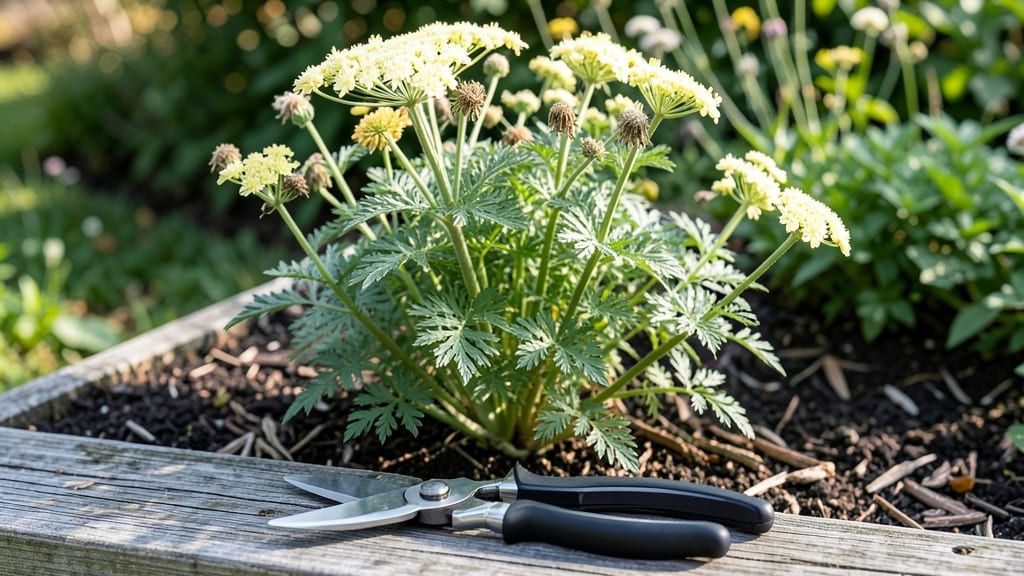
Pruning yarrow plants transforms them from scraggly survivors into showstopping bloomers that last all season. ✨ I’ve watched my once-wild yarrow go from floppy stems to thick, bushy clumps just by following three simple cuts—each timed perfectly to encourage more flowers and fewer weeds.
The secret isn’t complicated, but the difference in your garden? Night and day.
You’ll need sharp pruners (or clean scissors), gloves for the tough stems, and a sunny day to work. The best time to prune is late winter or early spring, right before new growth starts, plus a light trim after blooms fade.
Yarrow’s hardy nature means it forgives mistakes, but the right cuts keep it looking intentional—not like it’s fighting for space. Think of it as a haircut for your plants: shorter in spring, tidied up in fall.
After pruning, your yarrow will reward you with denser foliage and longer bloom seasons. The stems you cut back can even be dried for winter arrangements.
Just avoid cutting into the woody base—yarrow’s survival trick is its tough roots. Within weeks, you’ll see fresh green shoots pushing out, ready to burst into color.
This method works for all yarrow varieties, whether you’re growing it as a border plant, in wildflower meadows, or even in containers. The key is consistency—just a few minutes every season keeps your yarrow thriving for years. Ready to give it a try?
📚 In This Guide
- What you need
- Instructions
- Tips and common mistakes
- Wrapping up and next steps
What you need
- ● Pruning shears: Bypass pruners (sharp, clean, and sterilized with rubbing alcohol or a 10% bleach solution) – 1 pair (for clean cuts).
- ● Hand pruners: Small, ergonomic (for delicate trimming) – 1 pair.
- ● Garden gloves: Cut-resistant (to protect hands from thorns) – 1 pair.
- ● Disinfectant: Rubbing alcohol (70%+) or bleach solution (1 part bleach to 9 parts water) – small bottle or spray.
- ● Garden twine or rubber bands: For bundling pruned stems – small roll.
- ● Trash bag or compost bin: For disposing of pruned foliage – 1-2 bags.
- ● Hose or spray bottle: To rinse tools and plants after pruning.
- ● Plant food: Balanced fertilizer (10-10-10) or compost tea – small bag or bottle.
- ● Mulch: Organic mulch (straw, wood chips) to retain moisture – small quantity.
- ● Notebook or app: To track pruning dates and plant responses.
Step-by-Step guide for pruning yarrow plants
Here's how to keep your yarrow thriving with fuller growth and continuous blooms.
✂️ Step 1: Time Your First Cut for Peak Growth
Wait until spring after the last frost, when new growth appears but before flowers emerge. Yarrow blooms on old stems, so timing matters—cut too early and you lose next season's flowers. Look for 3-4 inch new shoots as your signal.
Use clean, sharp pruners to remove 1/3 of the oldest stems at the base. Focus on the leggiest or most woody growth first. This encourages fresh, bushier stems to fill in gaps. I like to make cuts at a 45-degree angle just above a leaf node to prevent water from pooling.
✂️ Step 2: Deadhead and Shape Mid-Season
Once blooms fade, snip spent flower heads back to the first set of healthy leaves below. This redirects energy to new growth instead of seed production. I do this every 2-3 weeks through summer—watch for flower stalks turning brown or seeds forming.
Shape the plant by thinning crowded stems to improve airflow. Aim for an open, rounded form rather than a dense center. Avoid cutting into the bare wood at the center; yarrow grows from the base, and too much aggressive pruning there can kill the plant. If you notice yellowing leaves, stop pruning and focus on watering instead.
✂️ Step 3: Lightly Trim for Winter Prep
In late fall, give your yarrow a final light trim by cutting back 1/2 of the plant's height. This prevents flopping in winter winds and reduces disease risk. Leave some foliage—yarrow's evergreen stems add winter interest and protect the crown from cold.
Remove any dead or diseased stems completely, but avoid cutting into the woody base. I like to leave 2-3 inches of growth above the crown. This gives the plant a head start in spring while still allowing sunlight to reach the base for new shoots.
⏰ Step 4: Maintain Through the Seasons
After your initial cuts, prune lightly as needed to shape the plant. Yarrow is drought-tolerant, so only water if soil feels dry to the touch. Fertilizer isn't necessary—too much nitrogen leads to leafy growth at the expense of flowers. If you notice weak stems, reduce watering slightly to encourage stronger growth.
Watch for powdery mildew in humid climates. If you see white powder on leaves, prune affected areas immediately and improve airflow by thinning stems. Yarrow's resilience makes it low-maintenance, but these small steps keep it looking its best year after year.
Tips & tricks for perfect yarrow pruning
These simple tricks will help you transform your yarrow from leggy and sparse to lush and full of continuous blooms.
The Timing Secret: I can't stress enough how critical spring timing is—wait for those 3-4 inch new shoots to appear after the last frost. This is your golden window before flowers emerge. If you cut too early, you're sacrificing next year's blooms because yarrow flowers on old stems. Mark your calendar or set a reminder for this key moment each spring.
Pruning Angle Matters: When you remove those 1/3 of the oldest stems in Step 1, make sure your cuts are at a 45-degree angle just above a leaf node. This isn't just about aesthetics—it prevents water from pooling at the cut, which reduces rot risk. Think of it like making a little roof to shed water away from the stem. I've seen so many gardeners skip this detail, and it really makes a difference in plant health.
Deadheading Discipline: The 2-3 week mid-season deadheading schedule is non-negotiable for continuous blooms. Here's my trick: set a timer on your phone for every 21 days during summer. When it goes off, do a quick check for brown flower stalks or seed heads. The moment you see those, snip them back to the first healthy leaves. This redirects all that plant energy into new flowers instead of seed production.
Winter Prep Wisdom: That final fall trim where you cut back 1/2 of the plant's height does more than just tidy up. It's actually protecting your yarrow from winter winds that can snap weak stems. Leave those 2-3 inches of growth above the crown—this gives your plant a head start in spring while still allowing sunlight to reach the base where new shoots will emerge. It's like giving your yarrow a cozy blanket to wake up under in spring.
Pro Tips for Pruning Yarrow Plants
- These simple tricks will help you transform your yarrow from leggy and sparse to lush and full of continuous blooms.
- The Timing Secret: I can't stress enough how critical spring timing is—wait for those 3-4 inch new shoots to appear a...
- Pruning Angle Matters: When you remove those 1/3 of the oldest stems in Step 1, make sure your cuts are at a 45-degre...
Frequently asked questions
Got questions about pruning yarrow? You’re not alone! Here are answers to the most common concerns—from timing to troubleshooting—to keep your plants thriving.
When is the best time to prune yarrow for continuous blooms?
Prune yarrow twice a year: early spring (just as new growth emerges) and mid-summer (after the first flush of flowers). This encourages bushier growth and nonstop blooms. Avoid pruning in fall—yarrow needs its foliage to store energy for winter.
How much should I cut back yarrow plants?
For most varieties, cut back 1/3 to 1/2 of the plant’s height in spring and 1/3 in summer. Avoid over-pruning—yarrow is hardy and bounces back, but aggressive cuts can stress the plant. Pro tip: Leave a few stems with flowers to attract pollinators!
Can I prune yarrow in rain or after heavy watering?
Wait for dry soil before pruning—wet conditions can spread disease or damage tender new growth. If you must prune after rain, do it 2–3 days later to let the soil dry. Yarrow’s deep roots make it drought-tolerant, so it’s better to prune during a dry spell.
What if my yarrow stops blooming after pruning?
No blooms? You might’ve pruned too late (after the first frost) or too aggressively. Try this fix: Cut back only spent flowers in summer, leaving 6–8 inches of stem. Fertilize lightly with compost if your soil is poor—yarrow often blooms less in nitrogen-heavy soil.
Is there a difference between pruning annual and perennial yarrow?
Nope! Both Achillea millefolium (perennial) and annual varieties benefit from the same pruning rules. The key difference? Perennials need spring pruning to remove dead foliage, while annuals can be pruned once in early summer for a prolonged bloom time.
Wrapping up and next steps
Pruning yarrow isn’t just about tidying up—it’s your secret weapon for vibrant, long-lasting blooms and a healthier plant! By following these three simple steps, you’ll encourage bushier growth, extend the flowering season, and keep pests at bay.
Whether you’re a seasoned gardener or just starting out, you’ve got this—your yarrow will thank you with a stunning display all year.
Ready to take your garden to the next level? Grab your shears and head outside! Start with just one plant, practice the technique, and soon, your entire yarrow patch will be thriving. Happy pruning—your future blooms are waiting! 🌸✂️