
Companion Plants
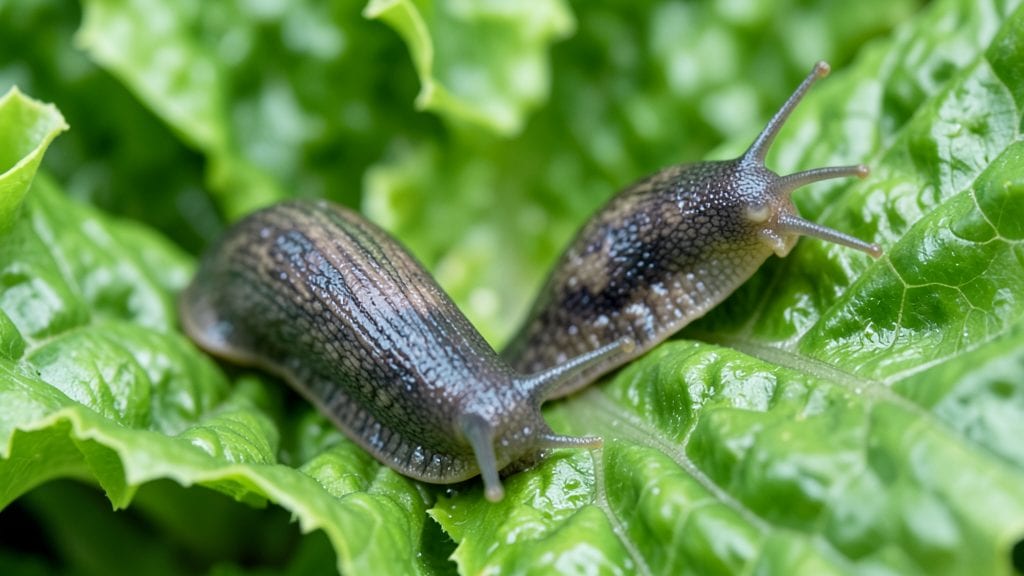
Slugs on plants turn your garden into a midnight buffet, leaving behind telltale slime trails and ragged edges on leaves. 🌿 I’ve lost count of the times I found my prized lettuce or hosta leaves reduced to lace—until I discovered these natural barriers that actually work.
The key isn’t just trapping what’s already there, but stopping them before they start.
Most people reach for beer traps or chemical sprays, but those only solve half the problem. Copper tape, sharp-edged mulch, and even diatomaceous earth create physical barriers slugs can’t cross.
I’ve tested them all, and the right combo keeps my garden looking nearly slug-free without harming beneficial insects or the soil.
By morning, you’ll spot fewer slime trails and more intact leaves—no more waking up to a salad garden that’s already been eaten. The best part? These methods work for vegetables, flowers, and perennials alike, and they’re safe for pets and kids too.
Here’s the secret: slugs hate texture and light. Once you understand their weak spots, you’ll see your plants thrive without constant vigilance. Let’s get your garden back from these slimy invaders for good.
What Lures Slugs to Your Garden
Slugs aren’t just random visitors—they’re drawn to your plants for very specific reasons, often tied to moisture, food, and shelter. Understanding these triggers can help you outsmart them before they become a problem. Here’s why your garden might be their favorite hangout spot:
Slugs are over 80% water by body weight and thrive in damp conditions. If your soil stays soggy—whether from overwatering, poor drainage, or morning dew—they’ll flock to it like a spa retreat. Here’s why:
- Slow evaporation in shaded or mulched areas keeps soil moist longer, giving slugs a perfect breeding ground.
- Heavy dew or rain turns leaves and mulch into slippery highways, making it easier for slugs to move and feed.
- Compacted or clay-heavy soil holds moisture near the surface, where slugs love to graze.
Actionable fix: Improve drainage with organic matter (like compost or sand) and avoid watering in the evening. If your garden stays damp, slugs will too.
Slugs have no teeth—they rely on enzymes to liquefy plant tissue, so they target soft, nutrient-rich foliage. Their favorite menu includes:
| Plant Type | Why Slugs Love It | Examples |
|---|---|---|
| Young seedlings | Thin stems and tender leaves are easy prey. | Lettuce, basil, marigolds |
| Succulent leaves | High moisture content (even in dry plants). | Hostas, impatiens, caladiums |
| Decaying matter | Rotting wood or mulch attracts them like a scent trail. | Compost piles, fallen fruit |
Pro tip: 💡 Slugs avoid hairy, waxy, or aromatic plants—think lavender, thyme, or rosemary. These act as natural deterrents.
Slugs are nocturnal and avoid direct sunlight, heat, or wind. They seek refuge in:
- Under dense mulch, boards, or rocks (where humidity lingers).
- Between pots and garden beds (especially if stacked or uneven).
- Low-lying foliage (like hostas or ferns) that blocks sunlight.
Why it matters: A single slug can lay 40–50 eggs in damp hiding spots, leading to an infestation in weeks.
Fix it: 🔥 Rake up debris daily, elevate containers, and space plants to allow airflow. Slugs hate exposure!
Slugs are most active when:
- Humidity is high (after dusk or during overcast days).
- Predators (like birds or frogs) are asleep.
- Temperatures drop (they become sluggish in extreme heat or cold).
Spot the damage: Look for irregular holes (not clean cuts—slugs leave silvery slime trails!) on leaves or stems. If you see these at dawn, slugs were feasting overnight.
Some plants unintentionally invite slugs by providing food or shelter. Common culprits:
- Night-blooming flowers (like evening primrose) draw slugs with their scent.
- Ground covers (e.g., creeping thyme) create microclimates slugs love.
- Fruit trees (especially citrus or berries) offer both food and moisture.
Swap them out for slug-resistant alternatives, like:
- Alliums (garlic, chives—slugs hate the smell!).
- Geraniums (their strong scent repels pests).
- Ornamental grasses (too tough for slugs to chew).
Natural Ways to Stop Slugs
Slugs are sneaky pests, but with the right strategies, you can protect your plants without harmful chemicals. Below are targeted solutions based on common causes—from damp soil to late-night raids—and how to fix them for good.
Slugs thrive in damp, shaded areas where moisture lingers. If your garden stays soggy after rain or watering, they’ll feast freely.
How to Fix It:
- ⏰ Improve Drainage – Amend soil with compost or sand to help water drain faster. Avoid overwatering, especially in the evening.
- 🌞 Increase Sunlight – Trim dense foliage to let sunlight dry out the soil surface. Slugs avoid dry conditions!
- 💡 Pro Tip: Use gravel or coarse mulch (like pine bark) around plants—it keeps soil drier while still suppressing weeds.
Slugs are nocturnal, so they munch after dark. If you find torn leaves in the morning, they’re likely raiding overnight.
How to Fix It:
- 🔦 Set Up Beer Traps – Bury a shallow dish filled with beer near plants. Slugs crawl in, drown, and you’ll have fewer pests by dawn.
- 🕯️ Use Salt or Diatomaceous Earth – Sprinkle a thin layer around plants (but avoid edible crops). Salt dehydrates them, while diatomaceous earth cuts their soft bodies.
- 🦋 Encourage Predators – Attract birds, frogs, and ground beetles with a small water source or native plants like dill or fennel.
If slugs are slipping past your defenses, they need a physical stop.
How to Fix It:
- 🧱 Create Copper Barriers – Slugs hate copper! Bend a copper wire (or use copper tape) around pots or garden beds—it gives them a mild electric shock when they touch it.
- 🥬 Use Eggshells or Crushed Chalk – Scatter crushed eggshells or garden lime around plants. The sharp edges deter slugs without harming plants.
- 🌿 Plant Slug-Repelling Companions – Surround vulnerable plants with garlic, thyme, mint, or wormwood. Slugs avoid their strong scents.
The best way to win? Stop slugs before they start.
How to Fix It:
- 🌦️ Check Weather Patterns – Slugs surge after rainy spells. Stay vigilant during spring and fall.
- 🌿 Rotate Plantings – Avoid planting tender young seedlings (like lettuce or hostas) until soil dries out.
- 🔍 Inspect Regularly – Walk your garden at dusk (when slugs emerge) with a flashlight. Handpick any you spot and drop them in soapy water.
💡 Bonus: If slugs keep coming back, try iron phosphate baits (like Sluggo)—they’re pet-safe and break down naturally.
With these natural, low-effort fixes, your plants will stay slug-free while keeping your garden chemical-free! 🚀
Frequently asked questions
Why do slugs leave slime trails on my plants?
Slugs produce slime as a natural lubricant to glide smoothly and protect their delicate bodies. The silvery trails also help them sense their path—almost like a chemical GPS! This slimy coating is a dead giveaway that slugs have been feasting overnight.
Are crushed eggshells really effective against slugs?
Yes! The sharp edges of crushed eggshells create a physical barrier that irritates slugs' soft bodies. Just scatter them around vulnerable plants—like lettuce or hostas—and refresh after rain. For best results, crush them finely so they can't easily crawl over.
Will copper tape work on my raised garden beds?
Copper tape is one of the most effective barriers for raised beds. Simply bend it around the edges—slugs receive a mild electric shock when they touch it, deterring them instantly. Just make sure to keep it clean and free of debris for maximum effectiveness.
Can I use coffee grounds to repel slugs?
Coffee grounds can help, but they're not a foolproof solution. The caffeine and acidity may deter slugs temporarily, but they'll break down quickly in the soil. For better results, mix them with diatomaceous earth or crushed eggshells. Best used as part of a layered defense strategy.
How do I know if my plants are being eaten by slugs vs. other pests?
Slug damage is easy to spot: they leave irregular, jagged holes with silvery slime trails, while insects like caterpillars create clean, straight cuts. Also check for their egg clusters (small, jelly-like masses) in damp soil—these hatch into more slugs in just days.