Picking
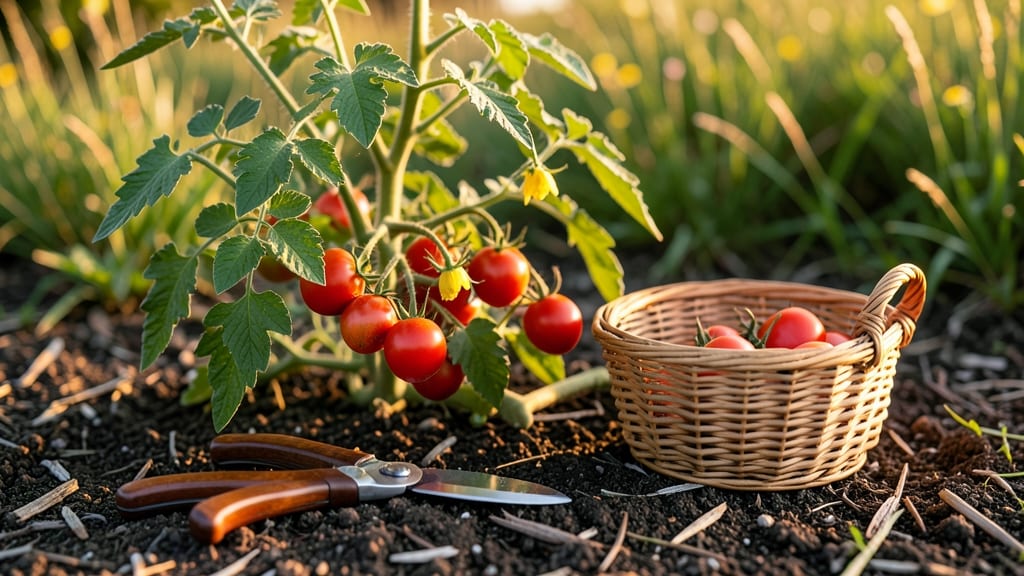
The tomato plant harvesting secrets I’ve mastered turn your garden into a treasure trove of sun-ripened flavor—if you time it just right. 🌱 I’ve learned the hard way that waiting too long means mealy flesh and wasted flavor, while picking too soon leaves you with bland, underripe fruit.
The secret lies in checking three things: color, texture, and that unmistakable scent just before the first bite.
Start by gently squeezing the tomato—it should yield slightly, like a ripe peach, not stay hard or squish like overripe pulp. The stem should pull away cleanly from the vine, leaving a small scar that won’t rot.
For heirlooms, wait until they’re fully colored and fragrant; for slicers like Roma, harvest when they’re deep red and firm. A quick sniff tells you more than any color chart ever could.
Once picked, store them at room temperature out of direct sun to ripen fully—never in the fridge until they’re ripe. A single day on the counter can turn a green tomato into a sweet, juicy masterpiece.
The key to continuous harvests? Prune suckers regularly and pick consistently; neglected plants focus energy on fewer fruits, leaving you with a handful of giants instead of weeks of steady production.
Overripe tomatoes? Cut them open, scoop out the seeds, and ferment them into sauce before they spoil. Diseased fruit? Toss it immediately—don’t risk contaminating the rest. With these tricks, you’ll turn your harvest into a season-long feast, not a one-time windfall.
📚 In This Guide
- What you need
- Instructions
- Tips and common mistakes
- Wrapping up and next steps
What you need
- ● Pruning shears or sharp scissors – Choose bypass pruners (not anvil) to avoid crushing stems. A 10-12 inch blade works best for most tomato varieties.
- ● Harvesting basket or bucket (2-3 gallons) – Opt for a lightweight, breathable material (like plastic or woven) to prevent bruising.
- ○ Gloves (optional but recommended) – Nitrile or cotton gloves protect hands from thorns, dirt, and potential pesticide residue. Choose gardening-specific for better grip.
- ● Sharp knife or harvesting knife – A serrated or utility knife (3-4 inch blade) helps with larger tomatoes or stubborn stems.
- ○ Twine or rubber bands (optional) – Useful for tying up vines post-harvest to encourage more fruit production.
- ● Know your tomato variety’s ripening time – Check seed packets or plant tags for days to maturity (e.g., 60-90 days). Early varieties (like Cherry Tomatoes) ripen faster than heirlooms.
- ● Check the weather forecast – Harvest on a dry, sunny morning to avoid spreading disease. Avoid harvesting after rain or if frost is expected.
- ● Inspect plants for pests/disease – Remove damaged or diseased fruit immediately to prevent spread. Look for holes, mold, or wilting.
- ● Bring a small spray bottle with water – A light mist helps clean tomatoes before storage.
- ● Use a stool or step ladder – For tall varieties (like Indeterminate Tomatoes), a foldable garden stool saves your back!
- ● Label a separate basket for “green” tomatoes – If you’re harvesting early, designate one container for unripe fruit to ripen indoors.
Step-by-step guide to harvesting tomatoes at peak ripeness
Here’s how I time my harvests for juicy, flavorful tomatoes that last beyond the vine.
🍅 Step 1: Learn the Color and Texture Cues
Harvest tomatoes when they reach their full color—deep red, yellow, or purple, depending on the variety. The skin should feel slightly firm but yield gently when pressed, like a ripe avocado. If it’s too hard, it’s not ready; if it’s mushy, it’s overripe. I always check the stem end first—it should separate cleanly from the vine without tearing the fruit.
Some varieties, like heirlooms, develop a rich, sweet aroma at peak ripeness. Others, like slicers, may not smell as strong but will have a vibrant, even color. Watch for the first few tomatoes to ripen on the plant—this tells you when the rest will follow. Harvesting too early means bland flavor; waiting too long risks splitting or attracting pests.
⏰ Step 2: Time Your Harvest for Maximum Flavor
Morning is the best time to harvest—temperatures are cooler, and the tomatoes are firmer. Avoid harvesting after rain or in the heat of the day, as the skin can bruise or split more easily. Use clean, sharp pruning shears or simply twist the tomato gently until it separates from the vine. Never pull or tug, as this can damage the plant.
If you’re growing heat-sensitive varieties, harvest when the fruit is still slightly underripe and let it finish ripening indoors. Place them in a single layer on a tray, stem-side down, in a warm spot like a sunny windowsill. They’ll ripen in 5-7 days, and the flavor will be just as vibrant as if they’d ripened on the vine.
🪴 Step 3: Handle and Store for Longevity
Once harvested, handle tomatoes with care—they’re delicate and bruise easily. Avoid washing them until you’re ready to eat or store them, as excess moisture speeds up spoilage. If you must clean them, pat dry immediately with a paper towel. Store ripe tomatoes at room temperature (around 60-65°F) for the best flavor, but keep them out of direct sunlight to prevent overripening.
For long-term storage, refrigerate only when fully ripe—cold temperatures can dull their flavor. If you have an abundance, ferment or can them while they’re at peak ripeness. Unripe tomatoes can be stored in a cool, dark place (like a pantry) until they ripen, but they’ll never taste as sweet as vine-ripened ones.
✂️ Step 4: Prune and Encourage Future Harvests
After harvesting, inspect the plant for any remaining green tomatoes or blossom ends. If you have a late-season frost coming, harvest green tomatoes and let them ripen indoors. Prune any yellowing or diseased leaves immediately to keep the plant healthy and productive. I also pinch off any suckers (the small shoots growing between the main stem and branches) to redirect the plant’s energy into fruit production.
Water the plant deeply after harvesting to replenish moisture lost during the process. A light mulch around the base helps retain soil moisture and keeps the roots cool. If your tomatoes are still producing, keep an eye on them daily—some varieties, like cherry tomatoes, can ripen quickly and need frequent checking.
🌿 Step 5: Preserve or Use Immediately
Freshly harvested tomatoes are best used within 3-5 days for peak flavor. If you can’t eat them all at once, slice and freeze them for later use in sauces or soups. For a longer shelf life, can or pickle them while they’re at their ripest. I like to make sun-dried tomatoes by slicing them thinly and drying them in the oven at 175°F for 4-6 hours until leathery.
Don’t let any tomatoes go to waste—even overripe ones can be blended into sauces or used in baked goods. The key is to harvest at the right moment and use or preserve them quickly. With the right timing, you’ll enjoy tomatoes that burst with flavor long after the growing season ends.
Tips & tricks for perfect tomato plant harvesting
These simple strategies will help you pick tomatoes at their absolute peak and keep them tasting fresh for days.
The Ripeness Test: I learned this the hard way after harvesting tomatoes that were too firm and bland. Press gently near the stem end—it should feel slightly soft like a ripe peach, not rock-hard or mushy. The color should be vibrant and even, not patchy. For heirlooms, that sweet aroma is your best indicator of peak flavor.
Morning Harvest Secret: Always harvest in the morning when temperatures are cooler (around 65°F). The cooler temps prevent bruising and make the tomatoes firmer for handling. If you must harvest later, avoid doing it after rain or when the sun is directly beating down—this makes the skins more prone to splitting.
Indoor Ripening Hack: For heat-sensitive varieties, harvest slightly underripe tomatoes and let them finish on a sunny windowsill. Place them stem-side down in a single layer on a tray—they'll ripen in 5-7 days with the same sweetness as vine-ripened ones. This works especially well for cherry tomatoes that ripen quickly.
Storage Temperature Tip: Never refrigerate tomatoes until they're fully ripe—cold temperatures dull their flavor. Store them at room temperature (around 65°F) in a cool, dark place. If you must refrigerate, do it only after they're fully ripe, and they'll keep for about 3-5 days. For long-term storage, consider canning or making sun-dried tomatoes at 175°F for that perfect 4-6 hour drying time.
Pro Tips for Tomato Plant Harvesting
- These simple strategies will help you pick tomatoes at their absolute peak and keep them tasting fresh for days.
- The Ripeness Test: I learned this the hard way after harvesting tomatoes that were too firm and bland. Press gently n...
- Morning Harvest Secret: Always harvest in the morning when temperatures are cooler (around 65°F). The cooler temps pr...
Frequently asked questions
Got questions about harvesting your tomato plants? You’re not alone! Here are answers to the most common concerns—from timing to troubleshooting—to help you pick perfect tomatoes like a pro.
When is the best time to harvest tomatoes?
Harvest tomatoes when they’re fully colored and slightly soft to the touch. For slicing varieties, aim for deep red or pink hues. Cherry tomatoes should plump up and turn a vibrant red or yellow. Pro tip: Morning harvests prevent sunscald and bruising from heat.
How often should I pick tomatoes?
Check your plants every 2–3 days during peak season. Picking frequently encourages more production and prevents overripe tomatoes from splitting. If you’re overwhelmed, focus on the ripest ones first—green tomatoes can ripen off the vine with a little ethylene exposure (like placing them in a paper bag with a banana).
Why are my tomatoes splitting? How can I fix it?
Splitting happens when tomatoes grow too fast after a dry spell, then get soaked with water. To prevent it, mulch your plants to retain moisture and avoid inconsistent watering. If it’s already happened, harvest the damaged fruit immediately and reduce watering slightly until the next flush of tomatoes forms.
Can I harvest tomatoes before they’re fully ripe?
Green or partially ripe tomatoes can ripen indoors. Place them in a cool, dark spot (like a cardboard box with a banana or apple to release ethylene gas). Check them daily—they’ll ripen in 3–7 days. Just avoid refrigerating them until fully ripe, as cold temperatures can ruin their flavor.
What’s the best way to store freshly harvested tomatoes?
Store tomatoes at room temperature (around 55–70°F) away from direct sunlight. Never refrigerate until they’re fully ripe—it turns their flesh mealy. For long-term storage, ferment them into sauces or salsas, or freeze whole tomatoes (peeled and chopped) for later use in soups or stews.
How do I know if a tomato is overripe?
Overripe tomatoes are mushy, wrinkled, or have soft spots that ooze liquid. They may also develop a fermented smell. If you spot these signs, use them immediately in recipes like sauces, salsas, or smoothies. Discard any tomatoes with mold or a foul odor to avoid spoilage.
Wrapping up and next steps
Harvesting tomatoes at their peak ripeness ensures the best flavor, texture, and nutritional benefits—so take pride in your green-thumbed success! 🌱 Whether you’re a seasoned gardener or just starting, the key is patience and attention to detail.
Now that you’re armed with the secrets to spotting the perfect tomato and storing them like a pro, it’s time to put your knowledge into action. Grab those baskets, share your bounty with friends, or experiment with your favorite recipes—your garden’s hard work deserves to shine!