
Companion Plants
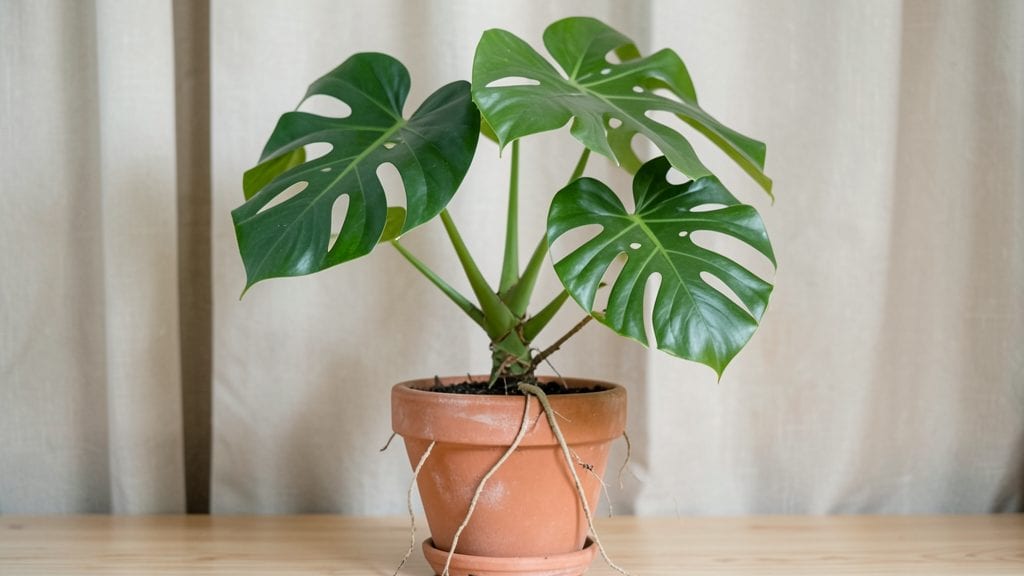
Finding the right videos on plants transformed how I approach companion planting—it’s like having a master gardener whispering tips in your ear while you work. 🌱 These carefully selected videos break down everything from pairing marigolds with tomatoes to keeping pests at bay naturally, all while saving you time and frustration.
What makes these videos stand out? They’re packed with real-world examples, not just theory—think of them as your gardening field guide in motion. You’ll see how to rotate crops for year-round harvests, spot early signs of trouble, and even troubleshoot without chemicals.
Whether you’re a beginner or a seasoned grower, there’s something here to elevate your garden game.
By the end, you’ll spot the perfect pairings that boost growth, deter pests, and extend your harvest season. The best part? No more guessing—just proven techniques that work in your backyard, whether you’re dealing with a small balcony plot or a sprawling vegetable garden. Let’s get those plants thriving together!
These videos cover everything from seasonal planting calendars to troubleshooting wilted leaves, so you’ll always know exactly what to do next. No fluff, just actionable advice that turns good gardens into showstoppers. Ready to dive in?
📚 In This Guide
- What you need
- Instructions
- Tips and common mistakes
- Wrapping up and next steps
What you need
- ● Plants: A variety of companion plant pairs (e.g., basil + tomatoes, marigolds + cucumbers, or nasturtiums + squash). Aim for 3-5 healthy specimens per video segment to showcase growth dynamics.
- ● Gardening Tools: Pruning shears (sharp, bypass-style for clean cuts)
- ● Hand trowel (4-6 inches for soil work)
- ● Garden gloves (lightweight, breathable fabric)
- ● Watering can or hose with adjustable nozzle
- ● Video Equipment: Smartphone or camera (4K resolution preferred for crisp details)
- ● Tripod or stabilizer (for steady shots; lightweight models work great)
- ○ External microphone (optional but recommended for clarity; lavalier or shotgun mic)
- ● Ring light or portable LED panel (for even lighting in low-light conditions)
- ● Editing Software: Free options: CapCut, iMovie, or OpenShot
- ● Advanced options: Adobe Premiere Pro or Final Cut Pro (for polished projects)
- ● Close-up lens attachment (macro lens for plant details)
- ● Slow-motion mode (if your camera supports it—great for time-lapse growth!)
- ● Background screen (green screen or neutral fabric for studio-style videos)
- ● Plant labels or chalkboard signs (for educational annotations)
- ● Notebook or voice recorder (to jot down growth observations or script ideas)
How to select and use companion plants videos for your garden
Watch the right videos and you’ll transform your garden’s productivity—here’s how to pick the best ones.
🌱 Step 1: Identify Your Garden’s Needs First
Before searching for videos, take stock of your garden’s current challenges. Are you dealing with pests, poor soil, or stunted growth? For example, if aphids plague your roses, prioritize videos on companion plants like marigolds or lavender—these repel pests naturally. I always start by jotting down my top 3 problems and search for videos that address them directly.
Look for videos that mention specific plant pairings rather than vague advice. A video titled "How to Use Marigolds to Protect Your Tomatoes" will give you actionable tips, while a general "Best Companion Plants" video might leave you overwhelmed. Check the first few minutes—if it doesn’t show clear examples, skip it.
🌿 Step 2: Prioritize Videos with Clear Visuals and Timestamps
Companion planting relies on spatial relationships, so videos must show physical plant arrangements. I avoid videos without close-up shots of garden beds or labeled diagrams. Look for timestamps in the description (e.g., "0:45 – Pest-Repelling Pairings")—this saves hours of scrolling through irrelevant content.
Pay attention to the presenter’s expertise. A video by a certified organic gardener or botanist will offer more reliable insights than one from a hobbyist. Watch for credentials in the bio or video description. If the video lacks citations or references, it’s likely based on anecdotal advice rather than proven science.
✂️ Step 3: Apply What You Learn with a Small-Scale Test
Don’t overhaul your entire garden based on one video. Start with a 4-square-foot section and plant two companion pairs, like basil with tomatoes or nasturtiums with cucumbers. This lets you observe results without risking a full-season failure. I always keep a notebook nearby to track growth, pest activity, and any unexpected changes.
Compare your test section to a control area (untreated plants). After 4-6 weeks, note differences in leaf health, yield, and pest presence. If the companion plants improve growth, expand the method to other beds. If not, revisit the video for missed details or try a different pairing.
💧 Step 4: Supplement Videos with Trusted Resources
Videos alone won’t cover every scenario. Cross-reference what you learn with peer-reviewed studies or extension service guides (like those from your state’s agricultural university). For example, a video might suggest planting dill with cabbage to deter cabbage moths, but the University of Minnesota Extension confirms this pairing works best in cool climates—critical info often missing from videos.
Join online forums like Gardeners’ World or r/Gardening to discuss video takeaways. Real-world experiences from other growers often reveal nuances videos overlook. I once relied solely on a video’s advice to pair onions with carrots, only to learn from a forum post that the onions stunted carrot growth in my sandy soil—something the video never mentioned.
☀️ Step 5: Adapt Techniques to Your Climate and Soil
Companion planting videos filmed in Zone 5 may not apply to your Zone 9 garden. Adjust pairings based on your last frost date, summer heat tolerance, and soil pH. For instance, a video might recommend planting borage with strawberries to improve flavor, but borage thrives in cooler weather—in hot climates, it bolts quickly and loses effectiveness.
Test soil conditions before implementing video suggestions. If a video recommends planting clover as a nitrogen-fixing cover crop, check your soil’s nitrogen levels first. A soil test kit ($20) reveals whether your soil already has sufficient nutrients, saving you from unnecessary work. I’ve wasted entire seasons planting "recommended" cover crops only to realize my soil didn’t need the boost.
Tips & tricks for perfect companion plants videos
Here's what nobody tells you about making the most of your companion planting video research.
Step 1: Narrow Down Your Search: Use specific search terms like "companion plants for Zone 7 tomatoes" instead of generic queries. I've found that videos about pest-specific solutions (like "aphid-resistant basil pairings") are far more valuable than broad overviews. The more targeted your search, the more actionable the results will be.
Step 3: Test Before Committing: The 4-square-foot test area mentioned in Step 3 is your safety net. I recommend marking your test plot with stakes and labels before planting—this helps you track exactly which pairings worked. After those 4-6 weeks, take before-and-after photos to compare with your control area. These visual records become your future reference guide.
Step 5: Climate-Specific Adjustments: Don't assume videos filmed in cooler climates apply to your garden. For example, while borage thrives in Zone 5, it may bolt in Zone 9 within weeks. I keep a climate zone map handy and cross-reference video recommendations with my local extension service's growing guides. This prevents costly mistakes with heat-sensitive plants.
Pro Tips for Videos On Plants
- Here's what nobody tells you about making the most of your companion planting video research.
- Step 1: Narrow Down Your Search: Use specific search terms like "companion plants for Zone 7 tomatoes" instead of generic queries.
- Step 3: Test Before Committing: The 4-square-foot test area mentioned in Step 3 is your safety net.
Frequently asked questions
Got questions about using companion plants videos to boost your garden? You’re not alone! Here are some of the most common queries—and their answers—to help you grow with confidence.
What are the best companion plants for beginners?
Start with easy pairings like basil and tomatoes (they repel pests and improve flavor), marigolds and peppers (natural pest deterrents), or carrots and onions (they thrive together without competing for nutrients). Videos often highlight these combos with visual guides for spacing and planting tips!
How long does it take to see benefits from companion planting?
Some benefits, like pest reduction or improved soil health, appear within weeks (e.g., marigolds deterring nematodes). Others, like enhanced flavor or yield, may take several weeks to months to show. Watching videos with timelapse growth comparisons can help track progress visually!
Are there free companion planting videos available?
Platforms like YouTube (search “companion planting for beginners”) and agricultural extension channels offer free tutorials. Look for channels with side-by-side garden comparisons or expert interviews for the most practical advice.
What if my companion plants aren’t working as expected?
Check for spacing issues (some plants need room to thrive), soil compatibility (e.g., nitrogen-loving vs. nitrogen-fixing plants), or pest pressure. Many videos include troubleshooting segments—like identifying yellowing leaves or stunted growth—to diagnose problems quickly.
Can companion planting work in small spaces like containers or balconies?
Yes! Pair bush beans with strawberries in pots (beans fix nitrogen for strawberries) or dill and lettuce (dill’s shade protects lettuce). Videos often feature container-specific hacks, including stackable planters and vertical gardening tips for urban growers.
Wrapping up and next steps
From sun-loving basil to shade-friendly ferns, companion planting videos are your secret weapon for a lush, low-maintenance garden. 🌱 Whether you're troubleshooting pests, boosting pollinators, or maximizing space, these visual guides make gardening feel like a breeze—no green thumb required!
The key takeaway? Pairing plants strategically unlocks year-round growth, beauty, and harmony.
Ready to transform your garden? Start by bookmarking your favorite videos and testing one companion combo this season—your plants (and future harvests) will thank you! 🌿✨