
Plants
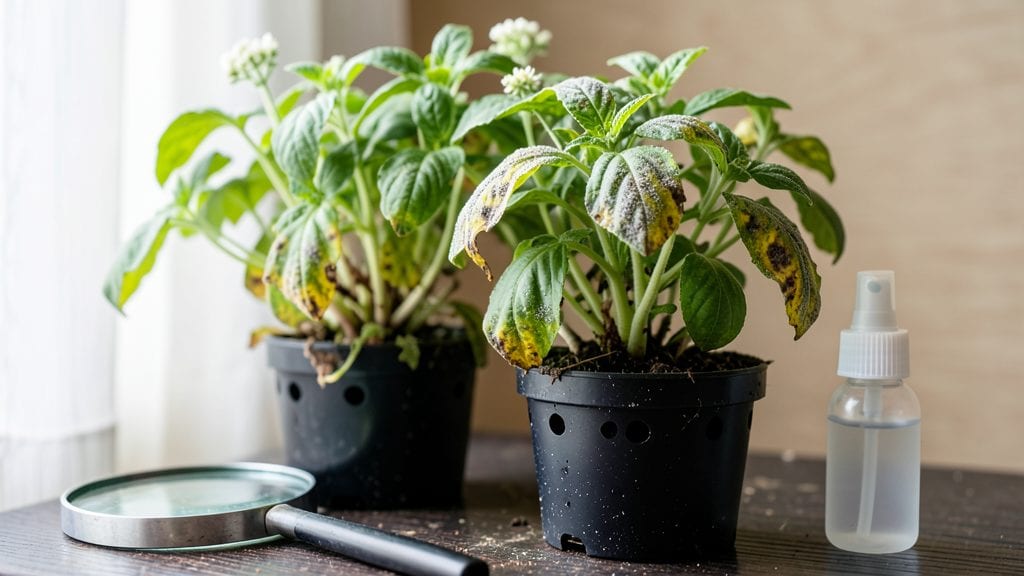
Basil plant fungus can turn your kitchen herb garden from fragrant to fungus-ridden in days—here’s how to spot it early and stop it fast. 🌱 The first sign? Tiny white or gray spots on leaves, often with a fuzzy texture, that spread like wildfire if you ignore them.
I’ve lost entire pots to this silent killer, but I’ve also saved plants by acting within 24 hours of noticing those first suspicious specks.
Most fungal infections start with too much moisture—whether from overhead watering, crowded plants, or humidity trapped in containers. Basil thrives on airflow, so if your leaves stay damp for more than a few hours, you’re asking for trouble.
The good news? This isn’t a death sentence. With the right organic treatments and a few simple adjustments, you can bring your plants back to full, glossy health in under a week.
Start by pruning infected leaves with clean scissors—don’t compost them, or you’ll spread the spores. Next, spray your plants with a mix of 1 tablespoon baking soda, 1 quart water, and a drop of dish soap (the soap helps it stick).
Repeat every 3–4 days until new growth appears, and always water at the base to keep foliage dry. Within 10 days, you’ll see fresh, fungus-free leaves pushing through.
Prevention is easier than curing: space plants 12–18 inches apart, avoid wetting leaves when watering, and rotate pots for even airflow. If fungus keeps returning, consider a copper fungicide spray—it’s organic, effective, and won’t harm your basil’s delicate flavor.
Trust me, once you’ve saved a plant from this, you’ll never ignore those early warning signs again.
Understanding Fungal Threats in Basil
Fungal infections in basil plants are often the result of a mix of environmental stress, poor growing practices, and the plant’s natural susceptibility. Unlike pests that physically damage leaves, fungi thrive in damp, warm conditions, infiltrating your basil’s tissues and disrupting its health.
Below, we break down the key reasons these microscopic invaders take hold—and how to recognize their early warning signs before they spiral out of control.
Fungi love moisture, and basil plants are particularly vulnerable when their leaves stay damp for extended periods. Here’s why this happens and how it sets the stage for infection:
- Poor Drainage: Containers without drainage holes or soil that compacts easily trap excess water at the roots. When roots sit in soggy conditions, they struggle to absorb oxygen, weakening the plant’s defenses.
Fungi like Fusarium and Pythium exploit this stress, entering through root wounds or stems. - Actionable fix: Use well-draining potting mix (add perlite or vermiculite) and ensure containers have drainage holes. Elevate pots on saucers or stands to prevent waterlogging.
- Frequent Overwatering: Basil thrives with consistent moisture but hates being waterlogged. Overwatering keeps the soil saturated, creating the perfect breeding ground for fungal spores.
Even a single night of high humidity (above 70%) can encourage spore germination. - Actionable fix: Water basil only when the top 1–2 inches of soil feel dry. Use a moisture meter for precision, and water in the morning to allow foliage to dry by evening.
- Poor Air Circulation: Dense foliage or crowded plants trap humidity near the leaves, mimicking a greenhouse effect.
Fungi like downy mildew (Peronospora belbahrii) spread rapidly in these conditions, forming fuzzy gray or white patches on the undersides of leaves. - Actionable fix: Space plants 8–12 inches apart and prune regularly to improve airflow.
Use a small fan on low setting near potted basil to mimic natural wind.
Basil plants under stress—whether from heat, cold, or nutrient deficiencies—become prime targets for fungal invaders. Stress weakens the plant’s cuticle (its natural protective layer), making it easier for spores to latch on.
- Extreme Temperature Swings: Basil prefers warm, stable temperatures (70–80°F). Sudden drops below 50°F or scorching heat above 90°F shock the plant, reducing its ability to fight off pathogens.
Cold stress, in particular, can cause leaf yellowing (chlorosis), which attracts fungal spores like Alternaria or Septoria. - Actionable fix: Grow basil in a location with dappled shade during peak afternoon sun. Use row covers in early spring or late fall to protect from chilly nights.
- Nutrient Imbalances: A lack of nitrogen, phosphorus, or micronutrients like magnesium weakens basil’s cell walls. For example, magnesium deficiency (seen as interveinal yellowing) makes leaves more susceptible to downy mildew.
Over-fertilizing with synthetic nitrogen can also burn roots, creating entry points for soil-borne fungi. - Actionable fix: Use a balanced organic fertilizer (like fish emulsion or compost tea) every 4–6 weeks. Conduct a soil test to check pH (ideal: 6.0–6.8) and amend with lime or sulfur if needed.
- Physical Damage: Bruised or torn leaves from handling, hail, or pests create open wounds where fungal spores can invade.
Even insect bites (like from aphids or spider mites) can introduce fungal infections like gray mold (Botrytis cinerea). - Actionable fix: Handle plants gently when harvesting or pruning. Inspect leaves regularly for pests and treat infestations immediately with neem oil or insecticidal soap.
Fungal spores are everywhere—in soil, water, and even on gardening tools. If your basil’s environment is already teeming with pathogens, infection is inevitable.
- Reused or Infected Soil: Old potting mix, garden beds, or containers previously used for diseased plants may harbor dormant fungal spores.
Common culprits include Phytophthora (a water mold) or Rhizoctonia (which causes damping-off in seedlings). - Actionable fix: Sterilize soil by baking it at 180°F for 30 minutes or using a solarization method (covering soil with clear plastic for 4–6 weeks in sunny weather).
For containers, replace soil annually or mix in 20% fresh compost.
- Dirty Gardening Tools: Pruners, trowels, or shears contaminated with fungal spores can transfer pathogens directly to healthy plants.
For example, downy mildew spores can survive on tools for months. - Actionable fix: Clean tools with a 10% bleach solution (1 part bleach to 9 parts water) or rubbing alcohol between uses. Store tools in a dry place.
- Infected Water Sources: Tap water, reused irrigation water, or water from ponds/streams may contain fungal spores. Municipal water systems can sometimes carry Pythium or Phytophthora from decaying organic matter in pipes. - Actionable fix: Use filtered or distilled water for potted basil.
If using rainwater, collect it in clean containers and avoid stagnant sources.
Just like humans, plants have immune systems. When basil is young, overcrowded, or struggling, its defenses are compromised, making it easier for fungi to take hold.
- Seedling Vulnerability: Young basil seedlings have delicate roots and stems, making them prone to damping-off (a fungal disease that causes stems to rot at the soil line).
Spores from Rhizoctonia or Pythium lie dormant in soil until seedlings emerge, then attack within days. - Actionable fix: Sow seeds in sterile seed-starting mix and avoid overwatering. Once seedlings have 2–3 true leaves, transplant them to larger pots to reduce competition.
- Overcrowding: Basil plants competing for light, water, and nutrients grow slowly and develop weak stems.
This slow growth reduces the plant’s ability to produce protective compounds like phytoalexins, which normally repel fungi. - Actionable fix: Thin seedlings to 6–8 inches apart and harvest regularly to encourage bushier, healthier growth.
- Lack of Beneficial Microbes: Healthy soil teems with beneficial bacteria and fungi (like Trichoderma or Bacillus subtilis) that outcompete pathogens.
If your soil lacks these microbes, harmful fungi have free rein. - Actionable fix: Amend soil with compost or use microbial inoculants like mycorrhizal fungi to boost natural defenses. Companion planting with marigolds (which repel nematodes) can also help.
Fixing Fungal Woes in Basil
Fungal infections in basil can feel like a gardener’s nightmare—one day your plants are thriving, the next they’re covered in spots or mold. But don’t panic! With the right approach, you can save your basil and prevent future outbreaks.
Below, we’ve mapped out practical fixes based on the most common fungal issues, from powdery mildew to root rot, plus prevention tips to keep your plants healthy long-term.
Cause: White, powdery spots on leaves (usually from poor airflow or high humidity). Fix:
- 🌬️ Boost Airflow: Space plants 12–18 inches apart or prune crowded growth.
- 💦 Water Wisely: Water at the base in the morning (avoid overhead spraying).
- 🧼 Organic Spray: Mix 1 tbsp baking soda + 1 tsp neem oil + 1 gallon water + a drop of dish soap. Spray every 7–10 days.
- 🌿 Remove Severely Infected Leaves: Snip off heavily mildewed foliage to stop spread.
Prevention Tip: 💡 Rotate basil plants every few weeks to improve airflow and sunlight exposure.
Cause: Dark, water-soaked spots (often from bacterial/fungal infections or splashing water). Fix:
- ✂️ Prune Infected Leaves: Cut off spots with sterilized scissors (dip in rubbing alcohol).
- 🌞 Improve Sunlight: Ensure 6+ hours of sunlight daily to dry leaves faster.
- 🍋 Vinegar Spray: Use 1 part white vinegar to 3 parts water (test on a small leaf first).
- 🚫 Avoid Overwatering: Let soil dry slightly between waterings.
Prevention Tip: 🌡️ Water early in the day so leaves dry before evening humidity sets in.
Cause: Yellowing leaves, mushy stems (from overwatering or poor drainage). Fix:
- 💧 Adjust Watering: Let the top 1–2 inches of soil dry out before watering again.
- 🪴 Repot if Needed: If roots smell foul, transfer to fresh, well-draining potting mix (add perlite or sand).
- 🌱 Trim Damaged Roots: Snip black/mushy roots with clean scissors.
- 🌿 Fungicide Boost: Drench soil with hydrogen peroxide (1 tbsp per quart of water) to kill fungus.
Prevention Tip: ✨ Use pots with drainage holes and avoid saucers that trap water.
Cause: Yellow upper leaves + gray fuzz on undersides (common in humid climates). Fix:
- 🌿 Copper Fungicide: Apply organic copper spray (follow label instructions).
- 🌬️ Increase Airflow: Use a small fan on low setting near plants.
- 🍋 Baking Soda Mix: Spray 1 tsp baking soda + 1 quart water + a drop of soap weekly.
- 🌱 Remove Infected Plants: If severe, discard heavily infected basil to prevent spread.
Prevention Tip: 🎯 Plant basil in full sun (downy mildew thrives in shade).
For any fungal issue, keep these emergency tools handy:
- Neem Oil Spray (natural antifungal/fungicide).
- Copper-Based Fungicide (for stubborn cases).
- Pruning Shears (sterilized with rubbing alcohol).
- Well-Draining Soil Mix (prevents waterlogging).
Final Pro Tip: 🌱 Rotate crops—don’t plant basil in the same spot yearly to break fungal cycles.
With these steps, your basil should bounce back stronger than ever—and you’ll be the hero of your herb garden! 🌿💪
Frequently asked questions about basil plant fungus
What does basil fungus look like in early stages?
Start with tiny white or gray specks on the undersides of leaves—often mistaken for dust. Within days, these develop into fuzzy patches (powdery mildew) or yellow spots with dark rings (downy mildew). Check both leaf surfaces and stems, where spores hide.
Can I save a basil plant already covered in fungus?
Yes, but act fast! Prune all infected leaves with sterilized scissors, then spray with a 1 tbsp baking soda + 1 quart water + dish soap mix. Move the plant to a dry, sunny spot and avoid watering leaves. For severe cases, use copper fungicide (follow label instructions).
Why does my basil keep getting fungus even after treatment?
Fungal spores linger in soil, tools, or water. Reuse sterilized containers, replace old potting mix, and clean tools with rubbing alcohol. Also check airflow—crowded plants or humid conditions (above 70% humidity) invite repeat infections.
Is it safe to eat basil leaves with mild fungus?
Only if it's minor surface mold (like powdery mildew). Wash leaves thoroughly with 1 tsp vinegar per quart of water, then rinse. Avoid eating leaves with dark spots, mushy stems, or gray fuzz—these may contain harmful spores. When in doubt, discard and replace the plant.
How can I prevent fungus in my basil before it starts?
Focus on airflow and dryness: space plants 12–18 inches apart, water at the base in the morning, and use pots with drainage holes. Rotate plants weekly for even sun exposure, and avoid overhead watering. Add 1 cup perlite to potting mix to improve drainage.