Shrubs
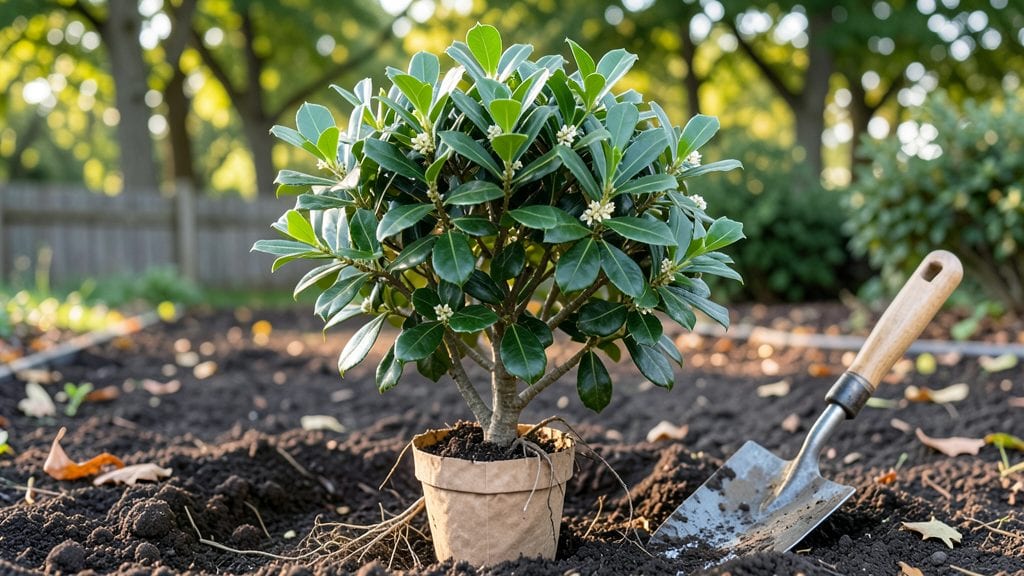
Planting evergreen bushes transforms your yard from a seasonal eyesore to a lush, green fortress that never sleeps. 🌿 I learned this the hard way—my first attempt with boxwoods looked great for two years, then turned into a sad, scraggly mess because I ignored the soil prep.
The right site, the right soil, and the right spacing make all the difference between a screen that lasts decades and one that fades away.
Start with the right spot—evergreens need 6+ hours of sunlight daily, but they’ll tolerate partial shade if you choose shade-tolerant varieties like rhododendrons. Test your soil first (aim for 5.0-7.0 pH for most evergreens) and amend with compost or peat moss if it’s too heavy or sandy.
Spacing is key too: 3-6 feet apart for single-row screens, 4-8 feet for double rows, so they don’t crowd each other out as they grow.
Dig a hole twice as wide as the root ball but no deeper—evergreens hate sitting too low. Loosen the roots if they’re circling, place the bush in the hole, and backfill with native soil mixed with compost.
Water deeply right after planting, then keep the soil evenly moist (not soggy) for the first 6-8 weeks. Mulch around the base to lock in moisture and protect roots from temperature swings.
Within a year, you’ll see new growth filling in gaps, and by year three, your privacy screen will be dense and unbroken—no more peeking neighbors or winter winds whipping through. The secret?
Consistency: water when the top 2 inches of soil dry out, fertilize lightly in spring, and prune only to shape, never to "thin out." Stick with this, and your evergreens will outlast you.
📚 In This Guide
- What you need
- Instructions
- Tips and common mistakes
- Wrapping up and next steps
What you need
- ● Evergreen bushes: Choose 3–5 mature plants (3–5 ft tall) per 10 ft of space, depending on your desired density. Opt for varieties like Holly, Arborvitae, or Boxwood for year-round greenery.
- ● Shovel or spade: A sturdy garden shovel (16–18 inches wide) for digging holes.
- ● Garden gloves: A pair of durable, breathable gloves to protect your hands from thorns or rough soil.
- ● Measuring tape: To ensure proper spacing (typically 3–6 ft apart, depending on the bush’s mature size).
- ● Compost or organic mulch: 2–3 cubic feet per plant to enrich soil and retain moisture.
- ● Watering can or hose: With a gentle spray nozzle for post-planting hydration.
- ● Pruning shears: For trimming damaged branches or shaping after planting.
- ● Soil amendment: Mix in peat moss or perlite if your soil is heavy clay or sandy.
- ● Stakes or plant supports: For young or top-heavy bushes in windy areas.
- ● Fertilizer (slow-release): A balanced 10-10-10 or organic option to boost early growth.
- ● Mulch fabric: To suppress weeds and retain moisture around the base.
- ● Wheelbarrow: For hauling soil, mulch, or tools efficiently.
Step-by-Step instructions for planting evergreen bushes
Here’s how to plant evergreen bushes for a lush, evergreen privacy screen that grows in just three years.
🌱 Step 1: Choose the Right Location and Dig the Holes
Pick a spot with at least 6 hours of sunlight daily—evergreens thrive where they get plenty of light. Mark your planting spots 6-10 feet apart, depending on the mature size of your bushes. Use a shovel to dig holes twice as wide and just as deep as the root ball—this gives roots room to spread without crowding.
Loosen the soil at the bottom of each hole with your fingers or a garden fork. Avoid compacting it, as this restricts root growth. If your soil is heavy clay, mix in a handful of compost to improve drainage. The goal is to create a cozy, airy space for roots to establish.
🪴 Step 2: Prepare the Bushes and Plant Them Properly
Remove each bush from its container and gently loosen the roots at the edges with your hands. If roots are circling tightly, use your fingers to tease them outward—this prevents girdling as the plant grows. Place the bush in its hole so the top of the root ball sits 1 inch above ground level; evergreens hate sitting too deep, which can rot their stems.
Fill the hole halfway with soil, then water deeply to settle it around the roots. This removes air pockets and ensures good contact between roots and soil. Once watered, add more soil until the hole is full, pressing lightly to eliminate gaps. Avoid packing the soil too tightly—you want it firm but not compacted.
☀️ Step 3: Water and Mulch for Long-Term Success
After planting, water each bush with 1-2 gallons of water to help the soil settle and encourage root growth. Water deeply but slowly—avoid splashing soil away from the base. Over the next few weeks, water once a week unless rainfall provides 1 inch of moisture. Evergreens need consistent moisture to establish, but soggy soil leads to root rot.
Spread a 2-3 inch layer of mulch around each bush, keeping it 3 inches away from the stem to prevent moisture buildup that causes rot. Use shredded bark or pine straw—these materials retain moisture while allowing airflow. Mulch also suppresses weeds and keeps soil temperatures stable, which is especially helpful in hot summers.
✂️ Step 4: Prune and Maintain for a Neat, Healthy Screen
Wait 6-8 weeks before pruning to let the bushes recover from transplant shock. Once established, trim in late winter or early spring to shape the screen. Use clean, sharp pruners to make cuts just above a leaf node or bud—this encourages new growth. Remove any dead, diseased, or crossing branches first to improve airflow and reduce pests.
Fertilize lightly in early spring with a balanced, slow-release fertilizer (10-10-10 or similar). Follow package instructions for application rates—over-fertilizing burns roots and stresses young plants. Water again after fertilizing to help nutrients spread evenly. With proper care, your evergreen screen will fill out beautifully in just three years.
Tips & tricks for perfect evergreen bush planting
Here's what I've learned after planting my own evergreen screen—these tricks will help your bushes thrive from day one.
The Sunlight Factor: That 6 hours of sunlight mentioned in Step 1 is non-negotiable for most evergreens. I learned this the hard way when my first row of bushes grew spindly and pale. If your spot gets partial shade, choose shade-tolerant varieties like Inkberry Holly or Leucothoe—they handle less light better than others. Also, avoid planting near large trees that will cast permanent shade as they grow.
Root Ball Prep: When you're loosening those roots in Step 2, pay special attention to any roots circling tightly around the root ball. I use my fingers to gently pull them outward, almost like untangling headphones. This might seem tedious, but it prevents girdling—where roots grow in a circle and strangle the plant as it matures. A quick 30-second root check now saves years of struggling later.
Watering Wisdom: The 1-2 gallons of water after planting might seem like a lot, but trust me—it's worth it. I used to water lightly, thinking more was better, but that just creates surface moisture. Instead, aim for slow, deep watering that penetrates 6-8 inches into the soil. This encourages roots to grow downward where they'll find stability. A soaker hose works perfectly for this.
Mulch Magic: That 2-3 inch layer of mulch in Step 3 does more than just look pretty. I like to add a 1-inch layer of coarse sand under the mulch in clay-heavy soils—it improves drainage while keeping roots cool. Also, refresh the mulch every spring; decomposed mulch loses its insulating properties. Just remember to keep it 3 inches away from stems to prevent rot.
Pro Tips for Planting Evergreen Bushes
- Here's what I've learned after planting my own evergreen screen—these tricks will help your bushes thrive from day one.
- The Sunlight Factor: That 6 hours of sunlight mentioned in Step 1 is non-negotiable for most evergreens. I learned th...
- Root Ball Prep: When you're loosening those roots in Step 2, pay special attention to any roots circling tightly arou...
Frequently asked questions
Got questions about planting evergreen bushes? You’re not alone—these hardy plants are a game-changer for privacy, but they require some know-how. Here are the answers to the most common questions to help you grow a lush, year-round screen with confidence!
When is the best time to plant evergreen bushes?
Plant evergreens in early spring or fall for the best results. These seasons provide mild temperatures and adequate moisture, giving roots time to establish before extreme heat or cold. Avoid planting in summer’s scorching heat or winter’s frost, as both can stress young bushes.
How far apart should I space evergreen bushes for a privacy screen?
Spacing depends on the mature size of your bushes. For dense privacy, plant them 3–6 feet apart if they’ll grow 6–10 feet tall. Check the plant tag for specific spacing guidelines—this ensures minimal gaps as they fill in over time. Pro tip: Leave extra room if you want to add mulch or ground cover later!
How much water do evergreen bushes need after planting?
Water deeply 1–2 times per week for the first 6–12 months to encourage root growth. After that, most evergreens thrive on 1 inch of water per week, either from rain or irrigation. Watch for wilting or dry soil—adjust as needed, especially in hot climates.
Can I plant evergreen bushes in full shade?
Most evergreens prefer full sun to partial shade (4–6 hours of sunlight daily). However, some varieties like Rhododendrons or Pieris tolerate shade better. If your yard is shady, choose shade-tolerant species or supplement with artificial grow lights for healthier growth.
What should I do if my evergreen bushes aren’t growing after planting?
Slow growth could stem from poor drainage, over/under-watering, or compacted soil. Check the roots for rot ( smelly, mushy roots = overwatering), and ensure soil isn’t waterlogged. Amend the soil with compost and consider a slow-release fertilizer in early spring to boost growth.
Are there fast-growing evergreen alternatives for quicker privacy?
Yes! If you need privacy in 3 years or less, opt for faster-growing evergreens like:
- Leyland Cypress (3–4 ft/year)
- Thuja (Arborvitae) (2–3 ft/year)
- Emerald Green Arborvitae (compact but dense)
Just be mindful of their mature size—some can outgrow small spaces! Mixing varieties can also create a fuller, more textured screen.
Wrapping up and next steps
Planting evergreen bushes is a rewarding way to create a lush, year-round privacy screen that grows stronger with each season! 🌲 Whether you’re a beginner or a seasoned gardener, choosing the right species, preparing the soil, and spacing them properly will set you up for success.
In just three years, you’ll enjoy a vibrant, low-maintenance hedge that thrives in every season.
Ready to transform your space? Start by selecting your bushes, gathering your tools, and marking your planting spots. Then, dig in—literally—and watch your green oasis take shape! 🌱 Your future self (and your neighbors) will thank you!