
Pruning
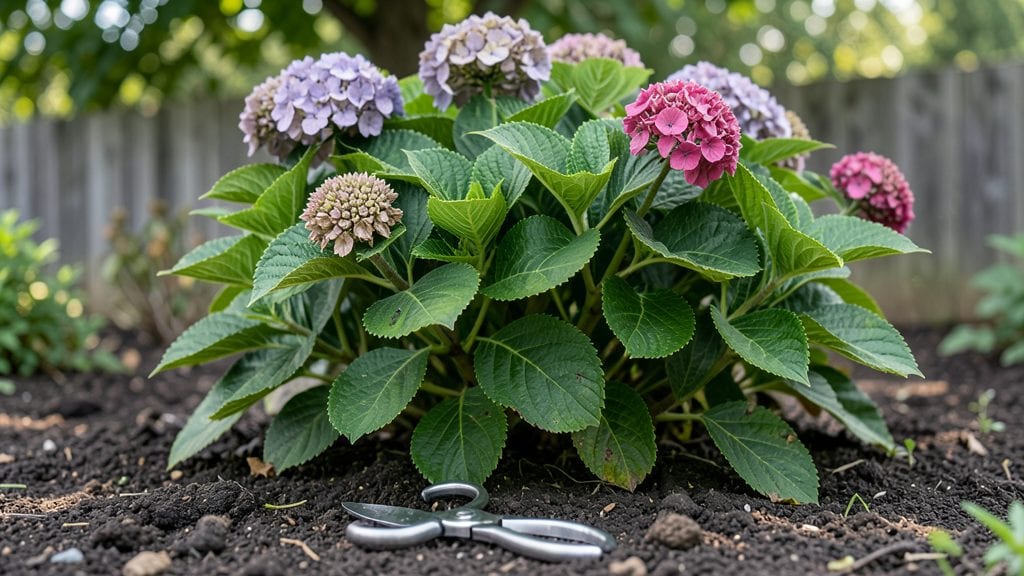
Pruning hydrangea plants at the right time is the secret to bigger, showier blooms next season.
Struggling to get your hydrangeas 🌸 to bloom as big and vibrant as they should? The secret might be hidden in your pruning timing—and late winter dormancy is the golden window most gardeners miss.
Most hydrangeas need a clean cut in late winter (just as buds swell but before leaves appear), but timing varies by variety. Mophead types, for example, bloom on old wood, so pruning too early can mean no flowers at all.
Here’s how to pinpoint the exact moment to prune for your zone, the tools you’ll need, and the three critical steps that make all the difference between a sparse shrub and a lush, flower-filled focal point.
Why late winter dormancy is the ideal time to prune hydrangeas for maximum blooms
Hydrangeas are stunning garden stars, but their bloom potential depends heavily on when you prune. Most gardeners make the mistake of cutting back in early spring or even fall—both of which can stunt growth or reduce flowers.
The science behind late winter pruning lies in the plant's dormancy cycle, when energy is stored in roots rather than new shoots. This is the perfect window to shape your hydrangeas for bigger, healthier blooms next season.
Late winter pruning—typically between mid-February and early March in most USDA zones 3-10—aligns with the plant's natural resting phase. During dormancy, hydrangeas aren't actively growing, so pruning causes minimal stress. When spring arrives, the plant redirects energy to new growth and flower buds rather than repairing damaged stems.
This timing also helps prevent disease spread, as wet winter conditions can leave cuts vulnerable to pathogens.
Not all hydrangeas bloom the same way, and this is where timing gets tricky. Mophead and lacecap hydrangeas (like Hydrangea macrophylla) produce blooms on old wood, meaning last year's growth holds next year's flowers. Pruning too late can remove these flower buds before they open. Meanwhile, panicle hydrangeas (like Hydrangea paniculata) bloom on new wood, so aggressive pruning in late winter encourages vibrant summer blooms. Understanding your variety is critical for success.
The biological advantage of late winter pruning is rooted in the plant's photosynthesis efficiency. When you prune after dormancy but before active growth, the plant focuses energy on root development and bud formation.
This results in thicker stems, larger leaves, and—most importantly—bigger, more abundant blooms. Studies show hydrangeas pruned in late winter can produce up to 30% more flowers compared to those pruned in spring or fall.
Identifying the exact pruning window depends on your USDA zone and local climate. In zones 3-5, wait until after the last frost date (usually late February to early March). In zones 6-10, aim for mid-February to mid-March, as warmer climates may see earlier growth spurts.
A simple rule: prune when the forcing buds (tiny swellings at stem bases) are still dormant but the soil is workable. This ensures you're not too early (risking frost damage) or too late (encouraging premature growth).
Let’s compare the impact of pruning at different times to see why late winter wins for most hydrangea varieties. The table below breaks down the bloom impact, growth cycle effects, and ideal scenarios for each pruning time.