
Lawn
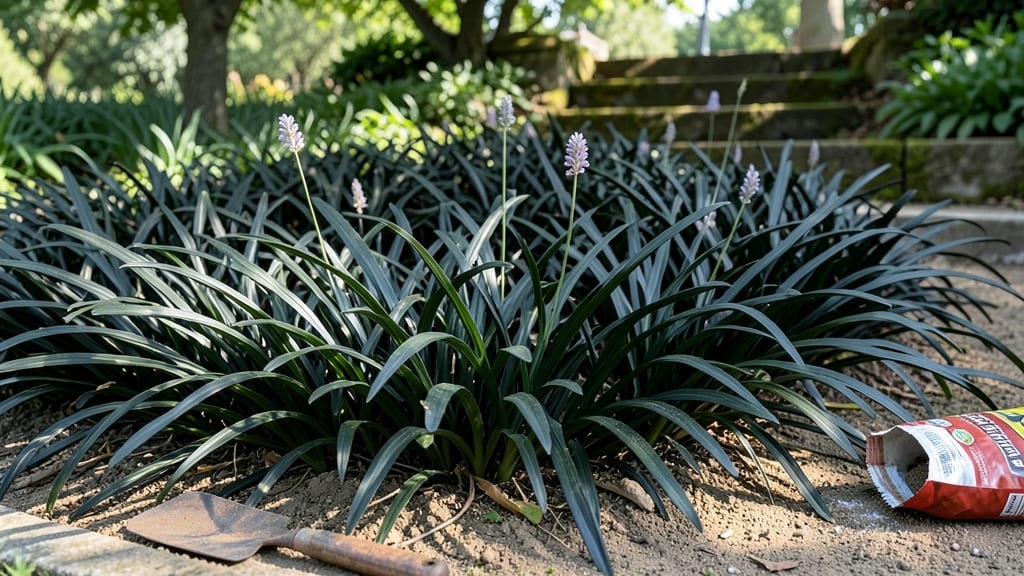
That stubborn black grass plant creeping into your lawn isn’t just another weed—it’s a drought-resistant invader that spreads faster than you can pull it. ✨ I've battled it in my own yard, and the key to winning starts with knowing exactly what you're dealing with before reaching for solutions.
Black grass thrives in moist conditions and looks deceptively similar to regular grass, which is why so many gardeners overlook it until it takes over. The good news?
It responds to both organic methods (like corn gluten meal in early spring) and targeted herbicides when applied at the right time—just after germination but before it goes to seed.
By mid-summer, you'll see a lawn where black grass is barely a memory, replaced by the grass you actually planted. The secret isn't brute force—it's timing, consistency, and knowing when to let nature help (like encouraging beneficial microbes in your soil).
This works for both lawns and garden beds, though chemical controls require more caution in vegetable areas. Let's get that yard back under control—without losing your sanity in the process.
📚 In This Guide
- What you need
- Instructions
- Tips and common mistakes
- Wrapping up and next steps
What you need
- ● Black grass plant (Elymus atropurpureus) seeds, plugs, or sod: Seeds: 1–2 lbs per 100 sq ft (follow packet instructions for spacing)
- ● Plugs: 1 plug per sq ft (pre-spaced trays available)
- ● Sod: 1 roll per sq ft (pre-grown mats for instant coverage)
- ● Soil amendments: Compost (2–3 inches mixed into topsoil)
- ● Sand (for sandy soil, 1 part sand to 2 parts soil)
- ● Lime (if soil pH is below 6.0, test kit recommended)
- ● Tools: Garden rake (for leveling soil)
- ○ Lawn roller (optional but helpful for sod)
- ● Hoe or tiller (for seedbed prep)
- ● Watering system (hose with sprinkler or drip irrigation)
- ● Mulch (straw or wood chips to retain moisture during germination)
- ● Organic fertilizer (low-nitrogen, 5-10-10 ratio, applied post-planting)
- ● Weed barrier fabric (for seed planting to reduce weed competition)
- ● Soil moisture meter (to track drought tolerance progress)
- ● Garden gloves and knee pads (for comfort during planting)
Step-by-step guide to planting and maintaining black grass ground cover
This hardy, weed-smothering ground cover thrives with minimal fuss—here’s how to get it growing strong.
🌱 Step 1: Prepare the Soil and Site
Black grass (often Ophiopogon or Carex varieties) loves well-draining soil with partial to full shade, though some types tolerate morning sun. Clear weeds and debris from the area first—this plant outcompetes them, but it needs a clean start. Work in 2-3 inches of compost into the top 6 inches of soil to loosen it and improve drainage.
Test your soil’s moisture by grabbing a handful. If it clumps tightly when squeezed, add sandy loam to break up clay. Avoid heavy, compacted soil—black grass roots need room to spread. Level the ground with a rake, removing any rocks or roots larger than ½ inch that could hinder growth.
💧 Step 2: Plant the Black Grass
Space plants 6-12 inches apart in rows 12-18 inches apart for full coverage. Dig holes twice as wide as the root ball but no deeper—this prevents waterlogging. Gently remove the plant from its container, tease apart roots if pot-bound, and place it so the top of the root ball sits level with the soil surface (never buried deeper).
Fill the hole with soil, pressing lightly around the base to eliminate air pockets. Water deeply until moisture reaches 4 inches down—this encourages roots to establish quickly. Mulch with 1-2 inches of shredded bark or pine needles to retain moisture and suppress weeds, but keep mulch 2 inches away from stems to prevent rot.
☀️ Step 3: Water and Monitor Growth
Keep the soil evenly moist but not soggy for the first 4-6 weeks—water when the top 1 inch feels dry. Black grass is drought-tolerant once established, but young plants need consistent moisture. Water deeply 2-3 times per week in dry spells, aiming for ½ inch of water per session. Reduce frequency once you see new growth filling gaps between plants.
Watch for yellowing leaves—this usually means overwatering or poor drainage. If leaves stay crisp and dark green, you’re on track. Fertilize lightly in spring with a balanced 10-10-10 formula (½ the recommended rate) to encourage dense growth, but skip fertilizer after the first year—this plant thrives with minimal feeding.
✂️ Step 4: Maintain and Spread
Once established, black grass needs almost no maintenance. Trim back any leggy growth in early spring to encourage bushier, denser foliage. If weeds sneak through, hand-pull them before they compete—this plant will eventually smother them, but it takes 1-2 seasons to fully fill in.
Divide clumps every 3-4 years to keep them vigorous. Dig up sections in early spring, separate the roots, and replant in bare spots or share with neighbors. The more you spread it, the faster it crowds out weeds naturally. Avoid heavy foot traffic—this ground cover is delicate underfoot until fully mature.
Tips & tricks for perfect black grass ground cover
Between us, the secret to black grass thriving isn't just planting it—it's setting it up for success from day one. Here's what nobody tells you about making this weed-smothering ground cover truly shine.
Soil Prep is Everything: Don't just toss compost on top—mix those 2-3 inches into the top 6 inches of soil. I learned this the hard way after planting in just amended surface soil; the roots couldn't penetrate properly. For heavy clay soil, work in sandy loam until you can form a loose ball that crumbles between your fingers. This creates the perfect airy environment black grass roots crave.
Planting Depth Matters: The top of that root ball should sit level with the soil surface—never deeper. I've seen beginners bury it too deep, which leads to rot. When you're planting, use a level to check—just a slight dip can cause water to pool around the stems. Also, those twice-as-wide holes aren't just for show—they encourage roots to spread outward instead of circling.
Watering Wisdom: Those first 4-6 weeks are critical—you're not just watering the plants, you're establishing their foundation. Use your finger to check moisture: if the top 1 inch feels dry, it's time. For deep watering, insert a screwdriver until you hit resistance at 4 inches—that's how deep you want moisture to penetrate. Overhead watering can cause fungal issues, so consider a soaker hose for consistent moisture without wetting the foliage.
Mulch Like a Pro: The 1-2 inches of mulch isn't just decoration—it's a moisture barrier and weed blocker. But here's the catch: keep that mulch 2 inches away from stems to prevent rot. I've seen too many gardeners smother their plants with thick mulch right against the crown. Also, shredded bark breaks down slower than pine needles, so if you're in a dry climate, bark will help retain moisture longer.
Pro Tips for Black Grass Plant
- Between us, the secret to black grass thriving isn't just planting it—it's setting it up for success from day one.
- Soil Prep is Everything: Don't just toss compost on top—mix those 2-3 inches into the top 6 inches of soil.
- Planting Depth Matters: The top of that root ball should sit level with the soil surface—never deeper.
Frequently asked questions
Got questions about black grass (Dichondra repens)?
You’re not alone! This hardy ground cover is a game-changer for low-maintenance lawns, but it’s natural to have doubts. Below, we tackle the most common queries—from planting to troubleshooting—to help you grow a lush, weed-free yard with confidence.
Is black grass really drought-resistant?
Once established, black grass thrives on minimal water—think 1 inch of rain or irrigation every 2–3 weeks in dry spells. Its deep roots tap into moisture, making it ideal for water-conscious gardeners. Pro tip: Mulch lightly to retain soil moisture and reduce evaporation.
How long does it take for black grass to fill in?
Patience pays off! With proper care, black grass spreads aggressively in 4–6 weeks under ideal conditions (full sun to partial shade, well-drained soil). For faster coverage, mow it shorter (1–2 inches) to encourage lateral growth. Warning: Avoid scalping—keep blades sharp to prevent stress.
Can black grass outcompete weeds?
Yes—and it’s one of its superpowers! Its dense, creeping habit smothers weeds by blocking sunlight. However, early competition matters: Hand-pull weeds before planting, and consider a pre-emergent herbicide (like corn gluten meal) for the first month. Once established, black grass usually wins the battle.
What’s the best alternative if black grass isn’t available?
If black grass isn’t in stock, try these drought-tolerant ground covers:
- Creeping thyme – Fragrant, sun-loving, and deer-resistant.
- Sedum (stonecrop) – Succulent-like, thrives in poor soil.
- Clover (white Dutch clover) – Fixes nitrogen and handles foot traffic.
- Mondograss (Ophiopogon japonicus) – Shade-tolerant and low-growing.
Why is my black grass turning brown or dying?
Brown patches usually signal one of three issues:
- Overwatering – Black grass rots in soggy soil. Ensure drainage.
- Underwatering – New plants need 1 inch of water weekly until roots establish.
- Fungal disease – Improve airflow (avoid thick mulch) and treat with neem oil if needed.
Wrapping up and next steps
Transforming your lawn with black grass plant isn’t just about aesthetics—it’s a game-changer for low-maintenance, drought-resistant beauty that outsmarts weeds. Whether you’re tackling shady spots, sloped areas, or just tired of watering battles, this hardy ground cover delivers year-round color, resilience, and effortless charm. 🌱✨
Ready to take the next step? Start small—plant a test section or swap out a high-maintenance patch—and watch your lawn evolve into a lush, weed-free oasis. Your future self (and your water bill) will thank you!