
Pruning
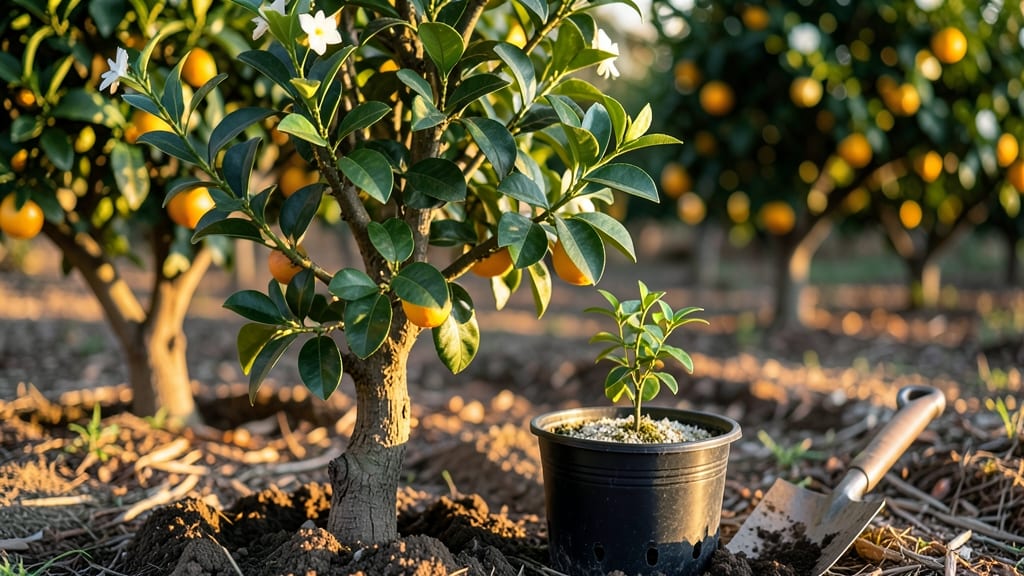
Planting an orange tree in your yard means waking up to fragrant blossoms and harvesting fresh fruit year after year—if you choose the right variety and give it the care it deserves. 🌱 The secret isn’t just digging a hole; it’s matching your climate to cold-hardy citrus like 'Satsuma' or 'Calamondin,' which thrive in zones 7-10, and preparing soil that drains like a desert but holds moisture like a sponge.
You’ll need a sunny spot with at least 6 hours of direct light daily, well-draining soil amended with compost, and a container or hole twice as wide as the root ball.
The first year is all about establishing roots: water deeply twice a week in summer, then taper off in winter. Prune only to remove dead branches—those three key trims come later, when the tree matures and needs shaping.
By year three, you’ll be picking fruit that tastes sweeter than anything from the grocery store. The trees stay compact (under 10 feet tall with proper pruning), making them perfect for backyards, large containers, or even indoor growing in sunny windows.
The only trade-off? Patience—citrus trees take 2-5 years to bear fruit, but the wait is worth it.
Common mistakes like overwatering or planting too deep can kill a tree before it ever flowers. We’ll cover those pitfalls—and how to avoid them—so your orange tree grows strong, productive, and full of potential. Let’s get started with the right foundation.
📚 In This Guide
- What you need
- Instructions
- Tips and common mistakes
- Wrapping up and next steps
What you need
- ● Orange tree sapling: Choose a Citrus sinensis (sweet orange) or Citrus × aurantium (bitter orange) from a nursery. Opt for a 1-2 year old tree in a 5-gallon container for easier transplanting.
- ● Planting hole: Dig a hole twice as wide and slightly shallower than the root ball (12–18 inches deep).
- ● Well-draining soil: Mix 50% native soil with 50% compost or citrus-specific potting mix. Avoid clay-heavy soil.
- ● Organic fertilizer: Use a balanced citrus fertilizer (e.g., 6-6-6 or 8-3-9 NPK ratio) with micronutrients like zinc and iron.
- ● Mulch: 2–3 inches of organic mulch (e.g., wood chips, straw) to retain moisture and regulate temperature.
- ● Watering can or hose: With a gentle spray nozzle for deep watering (avoid overhead sprinklers).
- ● Pruning tools: Bypass pruners (for small branches)
- ● Loppers (for thicker branches)
- ● Sharp pruning saw (for stubborn growth)
- ● Disinfectant: Rubbing alcohol (70% or higher) to sterilize tools between cuts.
- ● Citrus-specific fungicide: (e.g., copper-based) to prevent diseases like root rot.
- ● Drip irrigation system: For automated, consistent watering.
- ● Windbreak: A fence or mesh screen if your tree is in a breezy area.
- ● Slow-release fertilizer spikes: For hassle-free nutrient delivery.
- ● Tree support stake: Only needed for young trees in windy conditions.
How to plant an orange tree for year-round fruit
Here's the straightforward method I've used to grow healthy citrus trees that bear fruit reliably.
🪴 Step 1: Select and Prepare the Planting Site
Choose a location with full sun exposure (6-8 hours daily) and shelter from strong winds. Orange trees thrive in USDA zones 9-11, but you can grow them in cooler climates in containers and bring them indoors during winter. The soil should be well-draining—citrus hates soggy roots. If your soil is heavy clay, mix in 3-4 inches of compost to improve drainage.
Dig a hole twice as wide as the root ball but no deeper. Loosen the sides of the hole to encourage root spread. If planting in a container, select a pot at least 18-24 inches in diameter with drainage holes. I like to add a layer of gravel or broken pottery at the bottom to prevent root rot.
🌱 Step 2: Plant the Tree at the Right Depth
Remove the orange tree from its container and gently loosen the roots if they’re circling. Place the tree in the hole so the top of the root ball sits slightly above soil level. Planting too deep can suffocate the tree and cause rot. Fill the hole with native soil, tamping lightly to remove air pockets but not compacting too firmly.
Water deeply to settle the soil and eliminate gaps. You’ll know it’s right when the soil looks evenly moist but not muddy. Mulch around the base with 2-3 inches of organic mulch, keeping it 3 inches away from the trunk to prevent rot. This helps retain moisture and regulate soil temperature.
☀️ Step 3: Provide Consistent Water and Sun
Water your orange tree once a week during the first year, providing 1-2 gallons per watering depending on the pot size. After the first year, water every 10-14 days, checking soil moisture by sticking your finger 2 inches deep. If it feels dry, it’s time to water. Overwatering is the biggest mistake—citrus trees are drought-tolerant once established.
Ensure the tree gets full sun daily. If growing indoors, place it near a south-facing window or under a grow light for 12-14 hours per day. You’ll see the tree’s health improve within weeks—leaves will stay glossy and vibrant, and new growth will appear.
✂️ Step 4: Prune for Shape and Fruit Production
The first pruning happens in late winter or early spring, before new growth starts. Remove any dead, diseased, or crossing branches first. Then, trim back any suckers (shoots growing from the base) and water sprouts (shoots growing from the trunk). This keeps energy focused on fruit production.
Shape the tree by cutting back branches that grow inward or rub against each other. Aim for an open center that allows sunlight to reach all parts of the tree. Prune again in summer after flowering to encourage a second flush of fruit. Use sterilized pruning shears to prevent disease spread.
🌿 Step 5: Fertilize and Protect for Long-Term Growth
Feed your orange tree with a balanced citrus fertilizer (6-6-6 or 8-3-9) every 4-6 weeks during the growing season. Follow the package instructions for dosage—over-fertilizing can burn roots. In cooler climates, reduce fertilization in fall and winter when the tree is dormant.
Watch for pests like aphids, scale, or citrus leaf miners. Spray with neem oil or insecticidal soap at the first sign of trouble. Protect young trees from frost by covering them with a frost cloth or moving them indoors if grown in containers. With consistent care, your tree will start bearing fruit in 3-5 years.
Tips & tricks for perfect orange tree planting
A few small adjustments can make all the difference between a struggling citrus tree and one that thrives year after year.
Location is Everything: That 6-8 hours of daily sun is non-negotiable for orange trees. I learned this the hard way when my first tree grew leggy and produced sparse fruit—it was getting only 4 hours of morning sun. If your yard doesn't have full sun, consider a large container that you can move to follow the sun's path throughout the day. For indoor growing, position near a south-facing window or invest in a grow light for those 12-14 hours of daily light.
Root Ball Depth Secret: When planting, make sure the top of the root ball sits just slightly above soil level—never below. I've seen many gardeners bury the root ball too deep, which suffocates the tree and causes rot. Think of it like planting a potato: the "eyes" (where new growth emerges) should be above ground. After planting, press the soil gently around the roots to eliminate air pockets, but don't compact it like you would for vegetables.
Watering Wisdom: The once-a-week watering schedule during the first year might seem generous, but citrus trees actually prefer deep, infrequent watering to shallow, frequent waterings. Use your finger to check moisture 2 inches deep—if it feels dry, that's your cue. One trick I use is to water deeply in the morning, which gives the roots time to absorb moisture before evening evaporation. And remember, those 1-2 gallons per watering should soak through to the root ball, not just wet the surface.
Pruning Precision: When you're shaping your tree in Step 4, focus on creating an open center that lets sunlight reach all branches. I like to visualize an open umbrella shape—this prevents the inner branches from dying off. For the summer pruning after flowering, aim to remove about 20-25% of the new growth. This might seem aggressive, but it encourages stronger growth and better fruit production next season. Always use sterilized tools to prevent spreading disease between cuts.
Pro Tips for Planting Orange Tree
- A few small adjustments can make all the difference between a struggling citrus tree and one that thrives year after year.
- Location is Everything: That 6-8 hours of daily sun is non-negotiable for orange trees.
- Root Ball Depth Secret: When planting, make sure the top of the root ball sits just slightly above soil level—never below.
Frequently asked questions
Got questions about planting and growing your own orange tree?
You’re not alone—here are answers to the most common concerns to help you grow thriving citrus year-round!
When is the best time to plant an orange tree?
The ideal time to plant an orange tree is in early spring (after the last frost) or late fall (before the first frost). This gives roots time to establish before extreme heat or cold. If you’re in a warm climate (like Florida or California), plant in winter to avoid summer stress. Avoid planting in summer—high temps can shock young trees!
How long does it take for an orange tree to bear fruit?
With proper care, dwarf varieties may produce fruit in 3–5 years, while standard-sized trees can take 5–10 years. Patience is key! Ensure your tree gets full sun (6+ hours/day), well-draining soil, and regular watering to speed up fruiting. Cold climates may delay harvest—consider container-growing for flexibility.
Can orange trees survive winter in cold climates?
Most orange trees (Citrus × sinensis) are tropical/subtropical and need protection below 20°F (-7°C). For cold zones (USDA 8–10), grow in containers and move indoors or use mulch + frost cloth. Hardier varieties like ‘Satsuma’ mandarins tolerate 15°F (-9°C) but still benefit from winter care.
Why isn’t my orange tree growing? Troubleshooting tips
Common issues and fixes:
- Yellow leaves: Overwatering or poor drainage. Let soil dry slightly between waterings.
- No new growth: Nutrient deficiency. Fertilize with citrus-specific food (high in nitrogen early, potassium later).
- Dropping fruit: Thinning is normal, but lack of water or pests (like aphids) can cause it. Inspect leaves and adjust care.
- Slow growth: Needs more sun or space. Prune competing branches and ensure 6+ hours of sunlight daily.
Pro tip: Test soil pH (ideal: 6.0–7.0)—acidic soil can stunt growth.
Can I grow an orange tree in a pot? What size do I need?
Yes! Dwarf varieties (like ‘Calamondin’) thrive in pots. Choose a container at least 15–20 gallons with drainage holes. Repot every 2–3 years and use well-draining citrus potting mix. Place in a sunny spot (south-facing window or balcony) and water when the top 1–2 inches of soil dry out.
Wrapping up and next steps
Planting an orange tree is a rewarding journey that blends patience with the joy of harvesting your own fruit! 🍊 By choosing the right variety, preparing the soil, and mastering the three key trims—early spring, late spring, and winter—you’ll set your tree up for lush growth and bountiful harvests.
Remember, consistency is key, and every snip brings you closer to that first homegrown orange.
Ready to take the next step? Start small: pick a sunny spot, grab your tools, and give your orange tree the love it deserves. Before you know it, you’ll be savoring the sweet taste of success—literally! 🌱