
Companion Plants
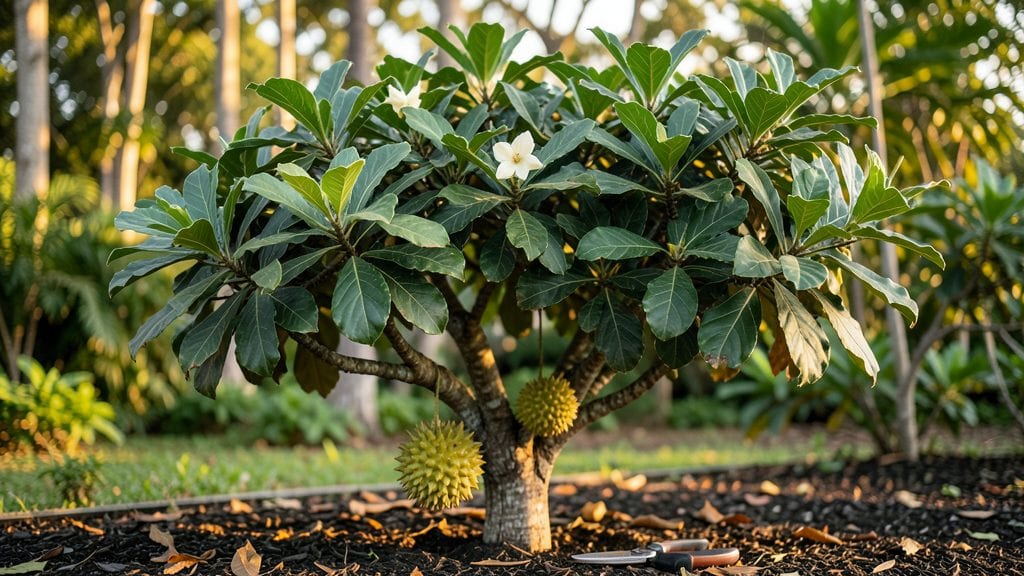
Growing custard apple plants unlocks a treasure trove of creamy, fragrant fruit that tastes like dessert straight from the tree. 🌱 I’ve spent years perfecting my own custard apple grove, and the key to success lies in mimicking their tropical roots—even in subtropical climates.
The secret isn’t just heat; it’s the right soil, consistent moisture, and a little patience with these slow-but-steady growers.
You’ll need well-draining, slightly acidic soil rich in organic matter—think compost mixed with coconut coir for that tropical feel. These trees thrive in full sun but can handle partial shade in hotter zones, making them surprisingly adaptable.
Watering is the real game-changer: keep the soil evenly moist but never soggy, especially during flowering and fruiting. Propagation is where most gardeners stumble, so I’ll show you the best way to start from seed or graft for faster, more reliable results.
By the time your custard apple tree hits its third year, you’ll be harvesting fruit year-round in warm climates, with each tree producing 50-100 pounds of sweet, custard-like fruit. The smell alone—like vanilla and tropical sunshine—will make your neighbors jealous.
Pruning is minimal but critical to keep the tree open for airflow and easier picking, and I’ll walk you through the exact cuts to make.
Even in cooler subtropical areas, these trees can thrive with a little winter protection and the right site selection. The biggest challenge? Patience—these trees take 3-5 years to bear fruit, but once they do, they reward you with decades of harvests. Let’s get your custard apple dream off the ground!
📚 In This Guide
- What you need
- Instructions
- Tips and common mistakes
- Wrapping up and next steps
What you need
- ● Custard apple seeds or saplings: 1-2 (ensure they’re disease-free and from a trusted source).
- ● Well-draining potting mix: 5-10 gallons (blend 60% coconut coir, 20% perlite, and 20% compost).
- ● Large containers or garden plot: At least 15-gallon pots (or a sunny, sheltered spot if planting outdoors).
- ● Organic fertilizer: Balanced 10-10-10 or citrus-specific blend (1 lb per plant).
- ● Slow-release mulch: Wood chips or straw (2-3 inches thick to retain moisture).
- ○ Drip irrigation system or watering can: (Optional but highly recommended for consistent hydration).
- ● Pruning shears: Sharp, sterilized pair (for shaping and harvesting).
- ● Garden trowel or shovel: For planting and soil prep.
- ● pH testing kit: To monitor soil acidity (ideal range: 5.5–7.0).
- ○ Spray bottle with neem oil: (Optional but great for pest control).
- ● Gloves and long sleeves: Protect yourself from thorns and sap.
- ● Warm climate: Custard apples thrive in USDA zones 10–12 (or indoors with grow lights).
- ● Full sun exposure: At least 6–8 hours of direct sunlight daily.
- ● High humidity: Mimic tropical conditions with misting or a humidifier.
- ● Patience: Trees take 3–5 years to bear fruit (but the wait is worth it!).
Step-by-step guide to growing custard apple plants
Here’s how to cultivate this exotic fruit tree with precision—from seed to fruiting.
🌱 Step 1: Select and Prepare Your Custard Apple Seeds
Start with fresh, plump custard apple seeds—never dried or stored for months, as they lose viability quickly. Extract seeds from ripe fruit, rinse them thoroughly, and let them air-dry for 24 hours at room temperature. This prevents rot while maintaining germination potential.
Place the seeds in a lukewarm water bath for 12-24 hours to soften the hard outer shell. Soaking ensures faster germination, which can take 2-4 weeks if skipped. After soaking, wrap seeds in a damp paper towel and store in a sealed plastic bag in the fridge for 2-4 weeks to simulate winter dormancy—a critical step for breaking dormancy in tropical seeds.
🪴 Step 2: Plant Seeds in Well-Draining Soil Mix
Fill a 4-inch diameter pot with a sterile seed-starting mix (never garden soil—it’s too dense). Mix in 20% perlite or coarse sand to improve drainage, as custard apple roots rot easily in soggy conditions. Plant 2-3 seeds per pot at a depth of ½ inch, spacing them 1 inch apart to avoid overcrowding.
Water gently until the soil feels evenly moist but not saturated. Cover the pot with a clear plastic dome or plastic wrap to retain humidity, and place it in a warm, shaded location (ideal temperature: 75-80°F). Avoid direct sunlight until sprouts appear—too much light at this stage stresses tender seedlings.
☀️ Step 3: Transition Seedlings to Bright, Indirect Light
Once seedlings emerge (typically 2-4 weeks), remove the plastic cover and move them to bright, indirect light for 2 weeks. Direct sun at this stage causes leaf scorch, and custard apple seedlings are particularly sensitive. You’ll know they’re ready for more light when first true leaves (not the initial seed leaves) appear and turn a deep green color.
Gradually introduce morning sun over 7-10 days, increasing exposure by 1 hour daily. By 6 weeks, seedlings should tolerate 4-6 hours of filtered sunlight. Avoid harsh afternoon sun until they’re 4-6 inches tall—this prevents sunburn and ensures sturdy growth.
💧 Step 4: Transplant and Establish Mature Seedlings
When seedlings reach 6-8 inches tall with 4-5 sets of true leaves, transplant them into individual 1-gallon pots filled with a well-draining potting mix (60% potting soil, 30% perlite, 10% compost). Handle roots gently—custard apple seedlings have delicate, fibrous roots that break easily.
Water deeply after transplanting to settle the soil, then let the top 1 inch dry out before watering again. Place pots in a sheltered outdoor area (like a patio or greenhouse) where temperatures stay above 60°F at night. Avoid frost—custard apple plants cannot tolerate temperatures below 30°F and will die if exposed.
✂️ Step 5: Prune and Train for Fruit Production
Once your custard apple plant reaches 3-4 feet tall, prune to encourage a single strong trunk and open canopy. Remove any suckers or weak branches growing from the base or mid-stem. Prune in early spring (before new growth) to stimulate flowering later in the season. Use clean, sharp pruners to avoid tearing bark.
Fertilize every 4-6 weeks with a balanced tropical plant fertilizer (10-10-10 ratio) diluted to half-strength. Custard apple trees are heavy feeders, but over-fertilizing causes salt buildup in the soil. Watch for yellowing leaves—a sign of over- or under-fertilization. With proper care, your plant will flower in 2-3 years and produce fruit in 3-5 years.
Tips & tricks for perfect custard apple plant cultivation
Growing custard apple plants from seed requires patience and precision—here are the insights I’ve gathered from years of trial and error to help you avoid common pitfalls and maximize success.
Seed Preparation Matters: That 24-hour air-drying period after rinsing seeds is critical—it prevents mold while keeping them viable. I’ve seen seeds rot within days when skipped. For extra insurance, place your seeds on a paper towel in a single layer before air-drying; this prevents clumping and ensures even drying. The lukewarm water bath (12-24 hours) should feel like bathwater—not scalding. If your water feels too hot, let it cool slightly before soaking.
Soil Mix Secrets: The 20% perlite or coarse sand ratio in your soil mix is non-negotiable for custard apples. I’ve tried using coconut coir alone, and the roots simply suffocate. For the 4-inch pots, use a small trowel to create planting holes—don’t just drop seeds in. The half-inch depth and one-inch spacing give roots room to establish without competing. Pro tip: Add a handful of worm castings to the mix for natural disease resistance.
Light Transition Strategy: The two-week bright indirect light phase is where most beginners rush things. I’ve watched seedlings develop leaf scorch within hours of direct sun exposure. Use a sheer curtain to diffuse light if natural options aren’t available. When introducing morning sun over 7-10 days, start with just 30 minutes—gradual acclimation prevents sunburn. By week 6, your seedlings should be ready for 4-6 hours of filtered light, but always protect them from harsh afternoon rays until they hit 4-6 inches.
Temperature Watch: Maintaining that 75-80°F range during germination is easier said than done. If your home runs cooler, place pots on a heating mat set to 78°F. For nighttime temperatures above 60°F after transplanting, consider using a small greenhouse or cold frame. Remember the absolute limit: never let temperatures drop below 30°F—this tropical plant has zero frost tolerance. I’ve lost multiple seedlings to accidental overnight exposure to cooler temps.
Pro Tips for Custard Apple Plants
- Growing custard apple plants from seed requires patience and precision—here are the insights I’ve gathered from years of trial and error to help you avoid common pitfalls and maximize success.
- Seed Preparation Matters: That 24-hour air-drying period after rinsing seeds is critical—it prevents mold while keeping them viable.
- Soil Mix Secrets: The 20% perlite or coarse sand ratio in your soil mix is non-negotiable for custard apples.
Frequently asked questions
Got questions about growing custard apple plants? You’re not alone—these tropical beauties can be tricky! Here are answers to the most common queries to help you cultivate a thriving tree with confidence.
How long does it take for a custard apple tree to bear fruit?
A custard apple tree typically takes 3 to 5 years to produce fruit from seed, but grafted trees can bear fruit in as little as 2 years. Patience is key—provide consistent care, and your tree will reward you with sweet, creamy harvests!
Can custard apple trees survive in cold climates?
Nope! Custard apple trees (Annona squamosa) are tropical and thrive in USDA zones 10-12. In colder areas, grow them in containers and move them indoors during winter or plant them near a sunny wall for protection.
What are the best companion plants for custard apple trees?
Pair custard apples with nitrogen-fixing plants like beans or clover to enrich the soil, and citrus trees or bananas for mutual shade and pest control. Avoid planting with potatoes or tomatoes, as they share diseases.
Why are my custard apple leaves turning yellow?
Yellow leaves often signal overwatering, nutrient deficiency, or pests. Check for root rot (water less), test soil pH (aim for 6.0-7.0), and inspect for spider mites or scale insects. Prune affected leaves and treat with neem oil if needed.
Can I grow custard apples from store-bought fruit?
Yes! Save seeds from ripe custard apples, clean them, and plant them 1/4 inch deep in moist soil. Germination takes 2-4 weeks, but grafted trees (from nurseries) produce faster and more reliably. Pro tip: Store seeds in a damp paper towel in the fridge for quicker sprouting!
Wrapping up and next steps
Growing custard apple plants is a rewarding journey that brings exotic flavors and lush greenery to your space—whether you're a seasoned gardener or just starting out! 🌱 With the right companion plants, ideal conditions, and a little patience, you’ll soon enjoy year-round harvests of sweet, creamy fruit.
This tropical treasure thrives when nurtured with care, so don’t hesitate to dive in and create your own edible oasis.
Ready to take the next step? Start small—plant a sapling or propagate from seed—and watch your custard apple tree grow into a stunning centerpiece. Happy gardening! 🌿