
Blooming
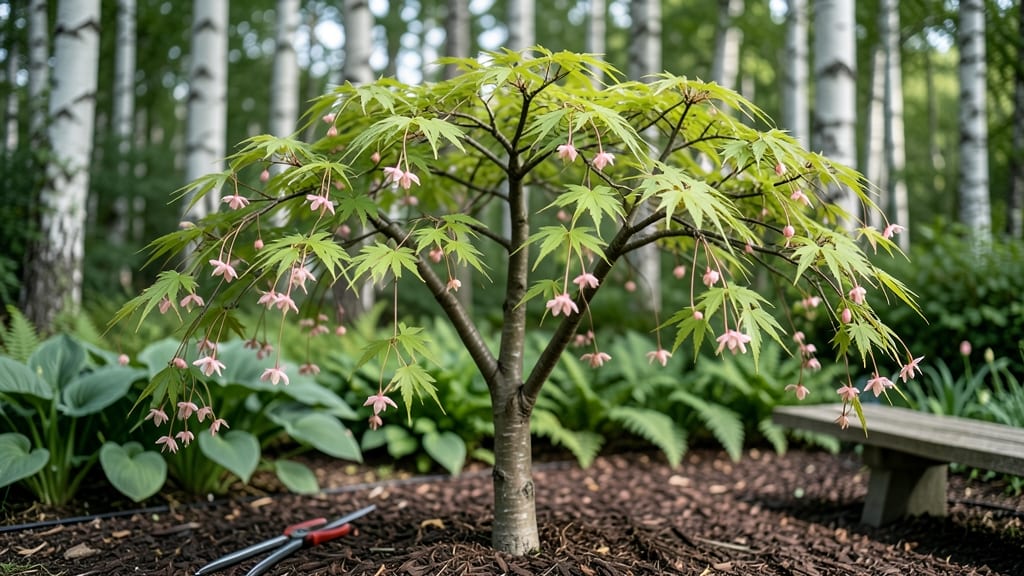
Growing a blooming maple plant means waking up to delicate spring flowers and fiery autumn leaves—something I never thought possible in my small urban yard. 🌿 The trick lies in matching the right Acer species to your space, whether it’s a dwarf Japanese maple for containers or a sugar maple’s towering presence in the ground.
Most people overlook how sunlight and soil pH directly control those iconic blooms, and I’ll show you exactly how to get it right.
Start with well-draining soil that mimics a forest floor—rich but not soggy—and position your maple where it gets at least 6 hours of sun daily. Japanese maples tolerate partial shade, but sugar maples demand full sun to produce their showy clusters.
Water deeply once a week, then let the top inch dry out; maples hate wet feet. Prune in late winter to shape the tree and encourage new growth where flowers will appear next spring.
You’ll see those first pale yellow-green blossoms by late April, followed by the winged samaras that flutter like tiny helicopters. The foliage turns vibrant red, orange, or gold by fall, and with proper care, your maple will keep delivering this seasonal show for decades.
The key is patience—maples grow slowly, but the payoff is worth every wait.
Whether you’re growing a bonsai-sized Japanese maple in a pot or a full-sized sugar maple in the yard, the same principles apply. I’ll walk you through how to troubleshoot slow growth or missing blooms, so you can enjoy this sun-loving sweetness year after year.
📚 In This Guide
- What you need
- Instructions
- Tips and common mistakes
- Wrapping up and next steps
What you need
- ● Maple plant: Seedlings: 1–3 Japanese maple (Acer palmatum) or snakebark maple (Acer capillipes) seeds (soaked in water for 24 hours before planting).
- ● Cuttings: 3–5 healthy 4–6" semi-hardwood cuttings (taken in late summer/early fall).
- ● Nursery plant: 1 blooming maple variety (e.g., Acer 'Bloodgood' or 'Autumn Moon').
- ● Potting mix: 1 bag (5–10 lbs) of well-draining, acidic soil (pH 5.0–6.5). Mix with perlite or orchid bark (1:1 ratio) for aeration.
- ● Containers: Seedlings: 3–4" pots with drainage holes.
- ● Cuttings: 6" pots or a propagation tray.
- ● Mature plant: 15–20 gallon container (or in-ground planting spot).
- ● Fertilizer: 1 balanced liquid fertilizer (10-10-10 or 20-20-20) or slow-release granular fertilizer (e.g., Osmoote).
- ● Mulch: 2–3 inches of wood chips or pine bark to retain moisture.
- ● Basic tools: Pruning shears (sterilized with rubbing alcohol).
- ● Trowel or small shovel.
- ○ Garden gloves (optional but recommended!).
- ○ Optional (but helpful!): Rooting hormone (for cuttings).
- ● pH test kit (to monitor soil acidity).
- ● Drip irrigation system or spray bottle (for humidity).
- ● Support stake (if growing tall varieties).
- ● Location: Full sun (6+ hours/day) or partial shade (for tropical varieties like Acer buergerianum).
- ● Climate: Hardy in USDA Zones 5–9 (adjust care for colder/hotter regions!).
Step-by-Step guide to encouraging maple plant blooms
Here's how to coax vibrant, fragrant blooms from your maple plant with minimal fuss.
🌱 Step 1: Position for Maximum Sunlight
Maple plants crave full sun—place yours where it gets 6-8 hours of direct light daily. A south-facing window or bright patio spot works best. If indoors, supplement with a grow light 6-12 inches away for 12-14 hours daily.
You'll know it's getting enough light when new leaves unfurl bright green and compact, not stretched or pale. Leggy growth means it's reaching for more sun—move it closer.
☀️ Step 2: Maintain Ideal Temperature and Humidity
Keep your maple plant in 65-75°F temperatures year-round. Avoid drafts or sudden temperature swings—these stress the plant and delay blooming. In winter, move it away from cold windows or heat vents.
Humidity matters too: aim for 40-60%. Mist leaves lightly daily or place the pot on a tray of pebbles with water to increase moisture. You'll see glossy leaves and fewer brown tips when humidity is just right.
💧 Step 3: Water Consistently Without Overdoing It
Water when the top 1-2 inches of soil feel dry—stick your finger in to check. Overwatering causes root rot, while underwatering stresses the plant. Use room-temperature water to avoid shocking the roots.
Empty the saucer after 10 minutes to prevent soggy soil. Yellowing leaves mean you're watering too much; crispy edges mean it's too dry. Adjust your schedule based on what you see.
✂️ Step 4: Prune for Better Blooms
Prune in early spring before new growth starts. Cut back any leggy stems or crowded branches to improve airflow. Remove any dead or yellowing leaves—this redirects energy to new blooms.
Pinch back the tips of new growth by ¼ inch to encourage bushier, more compact growth. You'll notice more branches forming within a few weeks, setting the stage for abundant blooms.
🌿 Step 5: Fertilize for Vibrant Blooms
Feed your maple plant with a balanced liquid fertilizer (10-10-10) every 4-6 weeks during spring and summer. Dilute to half-strength to avoid burning the roots. Stop fertilizing in fall and winter.
You'll see the difference in 2-3 weeks: leaves deepen in color, and buds form more readily. If you notice slow growth or pale leaves, it's time for another feeding.
Tips & tricks for perfect maple plant blooms
Here's what nobody tells you about getting your maple plant to bloom like a pro—these little details make all the difference.
Lighting Strategy: The 6-8 hours of direct sunlight in Step 1 is non-negotiable, but here's the thing: if your windows face east or west, morning or late afternoon sun won't cut it. Rotate your plant every 2-3 days so all sides get equal exposure. For indoor grow lights, position them directly above the plant at the 6-12 inch distance—don't angle them, or you'll create leggy growth. I learned this the hard way after my plant stretched toward one side like it was reaching for salvation.
Temperature Matters: Keeping your maple plant between 65-75°F is crucial, but don't let that fool you into thinking any warm spot will do. Cold drafts from windows or heat vents create stress that directly impacts blooming. I keep mine away from exterior walls in winter and use a small space heater near the plant (on low) if my home gets chilly. The key is consistency—sudden swings of even 10°F can set back blooming by weeks.
Pruning Precision: When you're pinching back those new growth tips by ¼ inch in Step 4, aim for just above a leaf node where new branches naturally form. This isn't about hacking off random bits—it's about encouraging the plant's natural branching pattern. I like to use clean, sharp scissors and make cuts at a 45-degree angle to prevent water from pooling on the stem. You'll see the difference in just a few weeks when those side branches start popping out.
Fertilizer Timing: That 4-6 week feeding schedule in Step 5 is perfect, but here's the secret: the 2-3 week window before blooming is when your plant needs extra nutrients. If you notice buds forming, give it a slightly stronger feed (¼ strength instead of half) for those final weeks. I also switch to a bloom-specific fertilizer at this stage—it makes a noticeable difference in flower quantity and fragrance.
Pro Tips for Blooming Maple Plant
- Here's what nobody tells you about getting your maple plant to bloom like a pro—these little details make all the difference.
- Lighting Strategy: The 6-8 hours of direct sunlight in Step 1 is non-negotiable, but here's the thing: if your windows face east or west, morning or late afternoon sun won't cut it.
- Temperature Matters: Keeping your maple plant between 65-75°F is crucial, but don't let that fool you into thinking any warm spot will do.
Frequently asked questions
Got questions about nurturing your blooming maple plant? You’re not alone! Here are answers to the most common queries—from timing and care to troubleshooting—so you can keep your sun-loving beauty thriving year-round.
When will my maple plant bloom?
A blooming maple plant typically flowers in late spring to early summer, depending on the variety and climate. Indoor plants may bloom later or require supplemental light. Patience is key—some varieties take 2–5 years to flower! Ensure it gets bright, indirect light (like a south-facing window) and consistent watering to encourage blooms.
Why isn’t my maple plant blooming?
No blooms? Check these common culprits:
- Light issues: Maple plants need 6+ hours of sunlight daily. Move it to a sunnier spot or use a grow light.
- Overwatering: Soggy soil suffocates roots. Let the top inch dry out between waterings.
- Nutrient deficiency: Feed with a balanced fertilizer (like 20-20-20) every 4–6 weeks during growing season.
- Stress: Sudden temperature drops or drafts can delay blooming.
Can I grow a blooming maple plant indoors?
Choose compact varieties like Japanese maple (Acer palmatum) or snakebark maple. Place it near a south or west-facing window for optimal light. Rotate the pot monthly for even growth, and use a humidity tray or pebble tray to mimic outdoor conditions. Just avoid cold drafts—maples hate temperatures below 40°F (4°C).
What’s the best soil mix for a blooming maple plant?
Maples thrive in well-draining, slightly acidic soil (pH 5.0–6.5). Mix:
- 50% peat moss or coconut coir (for moisture retention)
- 30% perlite or pumice (for aeration)
- 20% compost or worm castings (for nutrients)
How do I fix yellow leaves on my maple plant?
Yellow leaves usually signal overwatering, underwatering, or nutrient issues. Here’s how to diagnose:
Issue
Solution
Yellow edges + crispy leaves
Underwatering. Water deeply when the top 1–2 inches of soil are dry.
Yellow all over + mushy stems
Overwatering. Repot in fresh, dry soil and ensure the pot has drainage holes.
Yellow leaves + slow growth
Nutrient deficiency. Fertilize with a balanced liquid fertilizer or use slow-release granules.
Wrapping up and next steps
Watching your blooming maple plant transform from tender sapling to vibrant beauty is a rewarding journey—one that blends patience, care, and a touch of nature’s magic. 🌿 Whether you’re drawn to its delicate flowers, striking foliage, or year-round charm, remember that every pruning, watering, and sunny spot you provide nurtures its growth.
Now that you’re armed with the right tools, tips, and troubleshooting tricks, the next step is simple: roll up your sleeves and get planting! Start with a single seedling or transplant, and soon, your space will be alive with the sweet, sun-kissed allure of maple magic.