
Plants
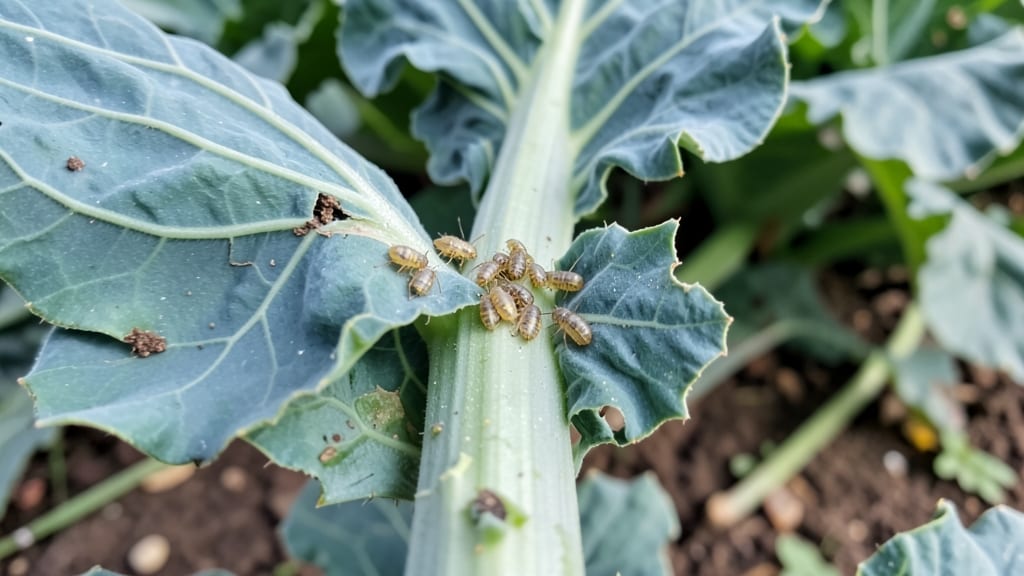
Bugs on kale plants turn your crisp, vibrant leaves into a chewed-up mess before you even harvest. 🌱 I’ve lost entire batches to ravenous cabbage worms and aphids, but these organic sprays—neem oil, insecticidal soap, and homemade garlic spray—have saved my garden every time.
The key is acting fast before the damage spreads.
Most infestations start small—tiny holes in leaves or sticky residue from aphids—but if you catch them early, you can stop them cold.
My go-to spray is a mix of 1 tablespoon neem oil, 1 tablespoon dish soap, and 1 quart water, applied at dusk when bugs are active. It’s non-toxic, works in 24 hours, and won’t harm pollinators if used correctly.
You’ll see a dramatic turnaround within a week: fewer holes, fewer pests, and plants that bounce back stronger. The best part? These sprays prevent future outbreaks, so your kale stays lush and pest-free for the entire growing season. Let’s get your plants back to their crisp, healthy selves.
Works for aphids, cabbage worms, and even flea beetles—no harsh chemicals needed. Once you try these, you’ll never reach for store-bought pesticides again.
Root Causes of Leaf Invaders
Kale plants may look like the picture of robust health, but they’re often a magnet for unwanted critters. Understanding why these bugs show up is the first step to kicking them off for good.
Here’s a breakdown of the most common culprits—and the science behind their attraction to your leafy greens.
Bugs love weak hosts. When kale plants are stressed—whether from poor spacing, nutrient deficiencies, or overwatering—they release chemical signals that attract pests. Here’s how it breaks down:
- Competition for resources: Kale thrives when spaced 12–18 inches apart. Overcrowding forces plants to compete for sunlight, water, and nutrients, weakening their natural defenses. Pests like aphids and flea beetles detect these stressed plants and move in to feed on the tender, nutrient-rich leaves.
- Nutrient deficiencies: A lack of nitrogen, magnesium, or calcium makes leaves less resilient. Cabbage loopers and diamondback moths prefer plants that can’t fight back, often targeting those with yellowing edges or stunted growth.
- Water stress: Both overwatering (leading to fungal issues like downy mildew) and drought stress signal to pests that the plant is vulnerable. Slugs and snails, for example, are drawn to damp, decaying foliage.
💡 Pro Tip: Conduct a simple soil test to check pH and nutrient levels. Kale prefers a pH of 6.0–7.0 and regular feedings of compost or balanced organic fertilizer (like 5-5-5) to stay strong.
Some bugs don’t just like kale—they’re drawn to the perfect storm of conditions that make your garden a five-star bug hotel. Here’s what’s inviting them over:
| Pest | Why They Love Kale | Trigger Conditions |
|---|---|---|
| Aphids | Sap-sucking pests that weaken plants and spread viruses. | Warm, humid weather + tender new growth (spring/fall). |
| Flea Beetles | Tiny but destructive; chew irregular holes in leaves. | Hot, dry soil + young seedlings (they’re drawn to fresh, soft leaves). |
| Cabbage Worms | Voracious caterpillars that skeletonize leaves. | Brassica family plants (kale, cabbage, broccoli) + nearby dill or fennel (their host plants). |
| Slugs & Snails | Leave slime trails and irregular holes overnight. | Moist, shaded soil + decaying organic matter (like old mulch). |
🌡️ Climate Connection: Many pests thrive in 60–80°F temperatures with high humidity. Preventative measures like row covers (for flea beetles) or diatomaceous earth (for slugs) can disrupt their life cycles before they become a problem.
Kale isn’t just nutritious for humans—it’s a buffet for bugs thanks to its chemical makeup. Here’s what makes it so appealing:
- Glucosinolates: These sulfur-containing compounds give kale its bitter, peppery taste and act as a natural pest repellent for some insects. However, they also attract certain pests, like cabbage root maggots, which are drawn to the plant’s defensive chemicals.
- Volatile organic compounds (VOCs): When kale is damaged (even slightly), it releases smell signals that call in more pests. This is why a single flea beetle can quickly turn into an infestation.
- Soft, hairy leaves: The fuzzy texture of kale leaves provides hiding spots for aphids and spider mites, making them harder for birds or beneficial insects to spot and eat.
✨ Organic Hack: Interplant kale with strongly scented herbs like thyme, mint, or rosemary. Their VOCs can mask kale’s attractants and confuse pests.
Now that you know why bugs are crashing your kale party, the next step is organic solutions to evict them—without harming your plants or the planet. 🚫🐜
Quick Fixes for Common Kale Pests
Got bugs munching on your kale? Don’t panic—there are effective, organic ways to reclaim your leafy greens without harsh chemicals. Below, we’ve matched the most common pests to practical solutions, from quick fixes to long-term prevention. Let’s tackle those troublemakers head-on!
Signs: Ragged holes in leaves, green or brown caterpillars hiding under foliage.
🔥 Immediate Action (Remove the Threat)
- Handpick them! 👨🍳 Grab a bucket of soapy water and pluck off worms (especially in the morning when they’re sluggish).
- Drop them in soapy water—this kills them instantly and prevents reinfestation.
🌿 Organic Sprays (For Heavy Infestations)
- Bacillus thuringiensis (Bt): A natural bacteria that targets caterpillars. Mix with water and spray every 7–10 days (safe for humans and pets).
- Neem Oil Spray: 🌿 Blend 1 tbsp neem oil + 1 tsp mild soap + 1 quart water.
Spray evenly on both leaf sides at dusk. Reapply after rain.
💡 Prevention Tips
- Row covers: Use floating row covers (lightweight fabric) to block egg-laying butterflies.
- Interplant with herbs: Basil, dill, and thyme repel cabbage moths naturally.
- Clean up debris: Remove old plant matter where eggs overwinter.
Signs: Clusters of tiny green/black bugs on new growth, sticky residue (honeydew), and curled leaves.
🍳 Blast Them Away
- Strong water spray: 💦 Use a hose nozzle to dislodge aphids from leaves (do this early in the day).
- Soap spray: Mix 1 tbsp castile soap + 1 quart water, spray directly on pests (test on a small leaf first).
🌡️ Natural Predators & Traps
- Ladybugs & lacewings: Release beneficial insects (available at garden centers) to eat aphids naturally.
- Yellow sticky traps: Hang near plants to catch adult flies before they lay eggs.
✨ Long-Term Control
- Encourage ants? Ants farm aphids—spray their trails with soapy water to deter them.
- Plant garlic or chives nearby—their scent repels aphids.
Signs: Tiny holes in leaves (like shotgun pellets), adults jump when disturbed.
🔪 Barrier Defense
- Diatomaceous earth (DE): Sprinkle food-grade DE around plant bases (reapply after rain). It dehydrates beetles without harming plants.
- Row covers: Use fine mesh to block adults from laying eggs.
🥘 Organic Sprays
- Kaolin clay spray: Mix 1 cup kaolin clay + 1 gallon water, stir well, and spray leaves. Creates a protective film that deters beetles.
- Garlic spray: Blend 1 chopped garlic bulb + 1 quart water, strain, and spray weekly.
🎯 Prevention Tricks
- Mulch heavily: Flea beetles hate dense mulch—use straw or grass clippings.
- Plant trap crops: Let them target radishes or turnips instead of your kale.
Signs: Irregular holes, slimy trails, and missing leaves overnight.
🌙 Trap & Remove
- Beer traps: Bury a small container filled with beer—slugs crawl in and drown. 🍺 Refresh every few days.
- Copper tape: Place copper barriers around plant bases—slugs get a painful shock when they touch it.
🌿 Natural Repellents
- Crushed eggshells or coffee grounds: Sprinkle around plants to create a barrier.
- Iron phosphate bait: Use organic slug pellets (like Sluggo)—safe for pets and wildlife.
💡 Smart Planting
- Space plants farther apart—slugs love crowded greens.
- Water in the morning (not evening) so slugs dry out during the day.
- Rotate crops: Avoid planting kale in the same spot yearly—pests build up in the soil.
- Healthy soil = strong plants: Use compost and worm castings to boost kale’s natural defenses.
- Harvest regularly: Pick outer leaves often to reduce hiding spots for pests.
Pro Tip: 🔥 Inspect your kale weekly—catching pests early means less damage and fewer sprays needed! With these methods, your kale will bounce back bug-free and thriving in no time. 🚀
Frequently asked questions
What are the most common bugs that attack kale plants?
The top culprits include cabbage worms, aphids, flea beetles, and slugs. These pests target kale due to its tender leaves and nutrient-rich composition. Cabbage worms chew through leaves, while aphids cluster on new growth, leaving sticky residue.
How do I know if my kale plants have a bug problem?
Look for irregular holes (flea beetles), chewed edges (cabbage worms), or sticky residue (aphids). Slugs leave slimy trails and irregular holes overnight. Inspect leaves undersides where pests hide—early detection is key!
Can I use neem oil on kale plants with bugs?
Mix 1 tablespoon neem oil with 1 teaspoon mild soap and 1 quart water. Spray at dusk to avoid harming bees. Reapply every 7–10 days or after rain. It disrupts pests’ life cycles without chemicals.
Will companion planting really keep bugs away from kale?
Yes! Plant thyme, mint, or rosemary nearby—their strong scents mask kale’s attractants and confuse pests. Basil and dill also deter cabbage moths. This natural barrier works best when combined with regular inspections.
How do I prevent slugs from destroying my kale?
Use copper tape barriers around plant bases or set up beer traps (bury a shallow dish of beer). Sprinkle crushed eggshells or coffee grounds as a natural deterrent. Water in the morning to dry out slugs during the day.