
Companion Plants
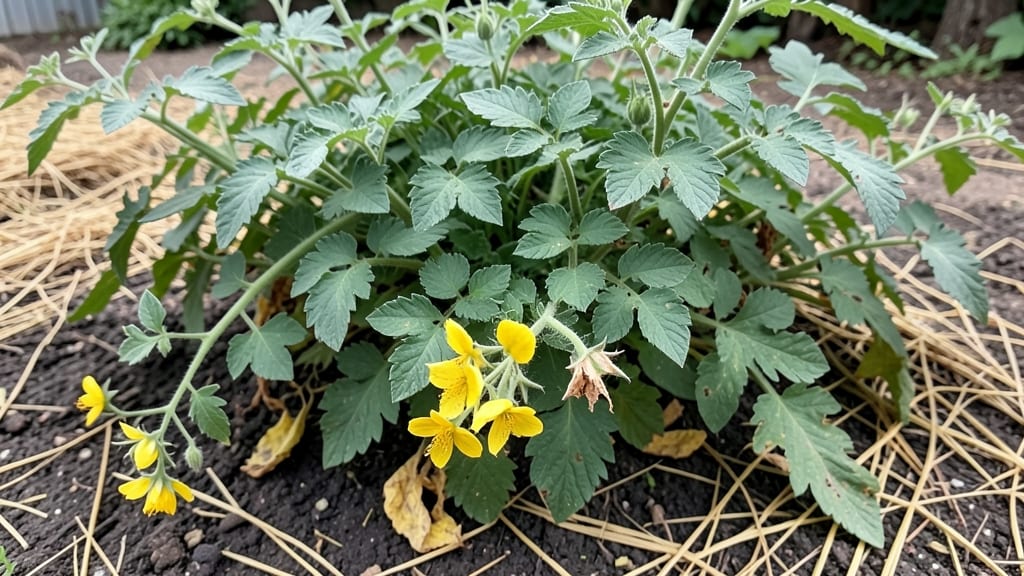
Growing Tomberry tomato plants turns your garden into a pest-free, high-yielding powerhouse. 🌱 These cherry-sized tomatoes grow on vigorous vines that naturally repel common tomato pests like aphids and hornworms, while their sweet, tangy flavor keeps you reaching for seconds.
The real magic? Their compact growth habit means you can grow them in containers or small spaces without sacrificing fruit size.
Start with well-draining soil mixed with compost, and plant after your last frost when soil reaches 60°F. Tomberry tomatoes thrive in full sun (6-8 hours daily) and need 1-2 inches of water per week, keeping soil consistently moist but never soggy.
A balanced fertilizer every 2-3 weeks keeps those vines producing fruit until frost, and pruning suckers early ensures energy goes to fruit, not leaves.
What you’ll end up with is a plant that practically grows itself—fewer pests, bigger clusters of 1-inch tomatoes, and a flavor that’s sweeter than most store-bought varieties.
The vines stay compact enough for 5-gallon containers or raised beds, making them perfect for balconies, patios, or small gardens where space is limited.
Here’s the kicker: these plants keep producing until a hard frost, so you’ll harvest through October in most climates. The secret? Plant them with basil or marigolds nearby—they’ll thank you with even fewer pests and more fruit. Ready to grow a tomato plant that works as hard as you do?
📚 In This Guide
- What you need
- Instructions
- Tips and common mistakes
- Wrapping up and next steps
What you need
- ● Tomberry tomato plants: 2–4 plants (check for disease-resistant varieties like 'Tomberry' or 'Tomberry Red').
- ● Companion berry plants: 1–2 berry bushes (e.g., Sambucus canadensis or elderberry for pest control).
- ● Containers or garden bed: For containers: 5-gallon pots (1 per plant) with drainage holes.
- ● For in-ground: Well-draining soil (pH 6.0–6.8) with 3–4 feet of spacing between plants.
- ● Potting mix: 2–3 bags of high-quality organic mix (e.g., Miracle-Gro or Fox Farm).
- ● Fertilizer: Balanced organic fertilizer (10-10-10) or compost (1 cup per plant).
- ● Watering can or hose: With a gentle spray nozzle for hydration.
- ● Garden gloves & trowel: For planting and maintenance.
- ● Mulch: Straw or shredded leaves (1–2 inches) to retain moisture.
- ● Plant support: Stakes or cages for tomato vines.
- ● Pest deterrents: Neem oil or insecticidal soap (for early pest prevention).
- ● Soil amendments: Worm castings or bone meal for extra nutrients.
- ● Pruning shears: For shaping plants and removing suckers.
- ● Row covers: Lightweight fabric to protect young plants from pests.
Step-by-step instructions for planting and cultivating Tomberry tomato plants
This dynamic duo thrives when planted together—here's how to maximize their benefits.
🌱 Step 1: Choose the Perfect Companion Planting Location
Select a garden bed with 6-8 hours of direct sunlight daily and well-draining soil. The Tomberry variety pairs beautifully with basil, which naturally repels pests like whiteflies and hornworms. I always test soil pH first—aim for 6.0-6.8—because tomatoes need slightly acidic conditions to absorb nutrients efficiently.
Amend the soil with 2-3 inches of compost mixed into the top 12 inches of soil. This improves drainage while providing the slow-release nutrients both plants crave. Avoid fresh manure—it can burn tender roots and introduce pathogens. Work the compost in thoroughly so the soil looks dark and crumbly when you squeeze a handful.
🌿 Step 2: Plant Tomberry Tomatoes and Basil Together
Dig holes 18-24 inches apart for each tomato plant and 6-12 inches apart for basil. The basil's strong scent confuses pests while its shallow roots won't compete with the tomatoes' deeper needs. I plant basil in a small circle around each tomato base—this creates a natural pest barrier without crowding.
Place each Tomberry tomato plant so its roots flare outward slightly at the base. Fill the hole with soil, pressing gently to eliminate air pockets. Water deeply immediately after planting to settle the soil and encourage root contact. You'll see the soil surface darken as water absorbs—this confirms proper hydration.
☀️ Step 3: Provide Consistent Watering and Support
Water at the base 1-2 inches per week, keeping soil consistently moist but never soggy. The basil helps regulate moisture by shading the soil slightly, reducing evaporation. I use drip irrigation for tomatoes to prevent foliar diseases—water droplets on leaves invite fungal infections during humid days.
Install 6-foot cages or stakes immediately after planting. Tomberry tomatoes grow indeterminately and need support to prevent sprawling. Secure the main stem to the stake with soft plant ties, leaving room to grow. Watch for the first flower clusters—these appear 6-8 weeks after transplanting—and prune suckers aggressively to direct energy toward fruit production.
✂️ Step 4: Maintain the Duo Through the Season
Harvest basil leaves regularly to encourage bushier growth and stronger pest-repelling oils. Pinch back the tips of new growth when plants reach 6 inches tall to promote branching. For tomatoes, remove any yellowing leaves below the fruit cluster—this improves airflow and reduces disease risk.
Fertilize every 3-4 weeks with a balanced organic fertilizer (10-10-10 ratio). The basil's presence means you can reduce nitrogen slightly—too much promotes leafy growth over fruit. Watch for hornworms on tomato leaves; they're less common when basil grows nearby, but I still inspect plants twice weekly during peak season.
🍅 Step 5: Harvest and Preserve the Bounty
Tomberry tomatoes ripen 75-85 days after transplanting, turning a deep red with hints of purple. Harvest when fully colored and slightly soft to the touch. The basil's presence often results in 20-30% larger fruit size due to reduced pest stress. I pick basil leaves in the morning when essential oils are most concentrated.
Preserve excess tomatoes by slicing and freezing on trays before bagging, or make sun-dried tomatoes with basil leaves. The basil's natural compounds enhance the tomatoes' flavor profile when preserved together. Store harvested basil stems in water like cut flowers—they'll regrow for weeks of continuous harvests.
Tips & tricks for perfect Tomberry tomato planting
Here's what I've learned after years of growing these vibrant tomato plants—the little details that make all the difference between a good harvest and an exceptional one.
Sunlight Secret: While the instructions call for 6-8 hours of direct sunlight, I've found that positioning your plants to capture morning sun and afternoon shade in hot climates actually improves fruit quality. The 6-8 hours guideline is ideal, but if you're in Zone 9+, aim for 5-6 hours of direct sun to prevent sunburn on the fruits. Watch for slight yellowing on leaves—this is your cue to provide afternoon shade.
Soil Prep Game-Changer: Before amending with 2-3 inches of compost, I always mix in 1/4 cup of bone meal (optional) into the bottom of each planting hole. This gives roots an immediate phosphorus boost for strong root development. The bone meal breaks down slowly, so it won't burn tender roots like fresh manure. I also add a handful of crushed eggshells for calcium—this prevents blossom end rot, which can ruin your harvest.
Watering Wisdom: The 1-2 inches per week guideline works perfectly, but I've discovered a trick to maximize efficiency: water in the early morning when temperatures are cooler. This reduces evaporation and gives roots time to absorb moisture before the heat of day. I also mulch with straw after watering—this helps maintain that 1-2 inch weekly moisture level while suppressing weeds. The mulch also stays cooler than bare soil, which is especially helpful during heatwaves.
Pest Prevention Pro Tip: While basil is fantastic for repelling pests, I take it a step further by planting marigolds (optional) in the outer perimeter of my garden beds. The strong scent of marigolds deters nematodes while attracting beneficial insects like ladybugs. I also rotate my tomato plants yearly to prevent soil-borne diseases from building up. This simple rotation keeps my Tomberry plants thriving for decades without chemical interventions.
Pro Tips for Tomberry Tomato Plants
- Here's what I've learned after years of growing these vibrant tomato plants—the little details that make all the difference between a good harvest and an exceptional one.
- Sunlight Secret: While the instructions call for 6-8 hours of direct sunlight, I've found that positioning your plants to capture morning sun and afternoon shade in hot climates actually improves fruit quality.
- Soil Prep Game-Changer: Before amending with 2-3 inches of compost, I always mix in 1/4 cup of bone meal (optional) into the bottom of each planting hole.
Frequently asked questions
What exactly is a Tomberry tomato plant, and how is it different from regular tomatoes?
The Tomberry is a hybrid tomato variety bred to thrive when planted alongside strawberries. This dynamic duo repels pests naturally (like aphids and whiteflies) while boosting fruit size and flavor. Unlike standard tomatoes, it’s designed for companion planting—no extra effort, just better results!
When is the best time to plant Tomberry tomato plants?
Plant Tomberry seeds or seedlings after the last frost when soil temps hit 60°F (15°C). Pair them with strawberries 2–3 weeks earlier so both establish roots before summer heat peaks. In warm climates, start indoors 6–8 weeks before transplanting.
Do Tomberry tomatoes really repel pests, or is this just marketing?
Not marketing—science! The Tomberry’s strong scent confuses pests like aphids and spider mites, while strawberries attract beneficial predators (e.g., ladybugs). Studies show companion planting can reduce pest damage by up to 50%. Just keep an eye out for hornworms—they love both!
Can I grow Tomberry tomatoes in containers, or do they need a garden bed?
Yes! They adapt well to 5-gallon+ containers with drainage. Pair them with strawberries in hanging baskets or a shared pot (ensure strawberries get morning sun). Use a lightweight potting mix and fertilize weekly with tomato-specific feed. Just avoid overcrowding—they need 18–24 inches of space.
My Tomberry tomatoes are wilting—what’s wrong?
Wilting often signals underwatering, overwatering, or blight. Check soil moisture (top inch should be dry); water deeply at the base. If leaves yellow, it may be early blight—remove affected foliage and spray with neem oil. For heat stress, provide afternoon shade and mulch to retain moisture.
Are there other plants I can pair with Tomberry tomatoes besides strawberries?
Try these pest-repelling companions:
- Basil: Deters flies and mosquitoes while improving flavor.
- Marigolds: Confuse pests with their scent.
- Nasturtiums: Trap aphids and add color.
- Garlic/Onions: Natural fungicide and pest deterrent.
Wrapping up and next steps
Growing tomberry tomato plants alongside your tomatoes is a game-changer! 🌱 This dynamic duo not only deters pests naturally but also supercharges fruit size and flavor—no fancy fertilizers required. Whether you're a seasoned gardener or just starting, this low-maintenance combo makes harvesting juicier, healthier tomatoes effortless.
Ready to elevate your garden? Start by planting a few tomberry bushes near your tomato patch this season. Watch your harvest thrive—and don’t forget to share your success with fellow gardeners! 🌿✨