
Lawn
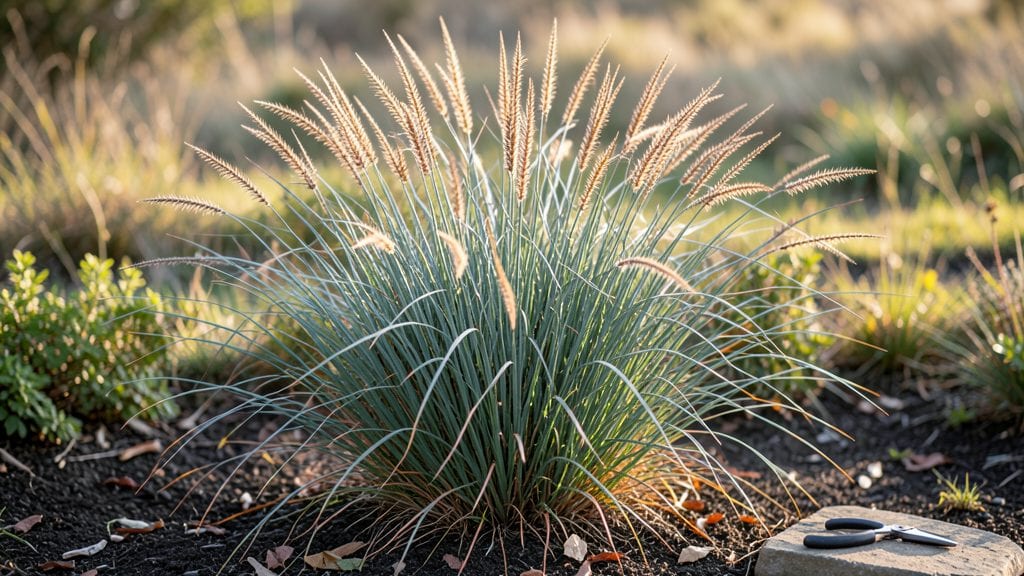
That patch of burning grass plant staring back at you isn’t just an eyesore—it’s your lawn’s desperate SOS, and the fixes are simpler than you’d think. they seem. The key is figuring out whether your grass is sun-stressed, chemically damaged, or fighting an invisible enemy.
Most "burned" grass isn’t actually fire damage—it’s either crispy from too much salt or fertilizer, wilting from underwatering, or turning yellow from fungal spots. The first step is checking the edges: crispy brown means chemical burn, while patchy yellow suggests disease.
I’ve saved lawns by simply adjusting watering schedules or switching to slow-release fertilizer.
Within a week of proper care, you’ll see fresh green shoots pushing through. The real secret is prevention: test your soil before fertilizing, water deeply but infrequently, and mow high to shade roots. Your lawn will go from sad and singed to lush and thriving in no time.
Works for any grass type, from cool-season Kentucky bluegrass to tough Bermuda. Let’s turn that "burned" look into a thing of the past—starting with these three targeted fixes.
Why it happens
When your grass starts looking like it’s been through a bonfire—brown, crispy, or even blackened—it’s usually a sign of stress. But why does this happen? Understanding the root causes helps you take targeted action to revive your lawn.
Let’s break down the most common reasons your grass might be "burning" and what’s really going on beneath the surface.
🔥 Overwatering Or Poor Drainage
Grass needs water, but too much of a good thing can suffocate it. Overwatering leads to anaerobic conditions—when soil lacks oxygen—causing roots to suffocate and grass to turn brown or yellow.
Poor drainage, often caused by compacted soil or a clay-heavy composition, traps excess moisture, preventing roots from breathing. Look for: Soggy patches, mushrooms popping up, or grass that feels mushy when stepped on.
Actionable fix:
- Test your soil’s drainage by digging a 6-inch hole, filling it with water, and timing how long it takes to drain. If it takes more than 6 hours, improve drainage with sand or organic matter.
- Water deeply but less frequently—aim for 1–1.5 inches per week, including rainfall.
- Consider aerating compacted soil to help water penetrate.
☀️ Heat Stress And Drought
Grass is resilient, but prolonged heat waves or drought can push it past its limits. Heat stress occurs when temperatures exceed 85°F (29°C) for multiple days, causing cell membranes to break down.
Drought-stressed grass loses turgor pressure, wilting and turning brown as it conserves moisture. Look for: Dry, brittle blades that pull away easily, or a dull, straw-like appearance.
Actionable fix:
- Water early in the morning (4–8 AM) to reduce evaporation and fungal risks.
- Adjust your mower height to 3–4 inches—taller grass shades roots and retains moisture.
- Apply a mulch layer (like straw) to retain soil moisture during dry spells.
🌱 Chemical Burns From Fertilizers Or Herbicides
Too much of a "good" thing—like synthetic fertilizers or herbicides—can act like a chemical firebomb on your lawn. Salt buildup from fertilizers disrupts osmosis in grass cells, drawing out moisture until blades crisp up.
Herbicides, especially pre-emergents or post-emergents with high concentrations, can leave behind residues that "burn" desirable grass. Look for: Yellowing or white streaks, sudden browning after treatment, or a "scalded" look.
Actionable fix:
- Always follow label instructions—never exceed recommended rates.
- Water thoroughly before and after applying chemicals to dilute concentrations.
- Switch to orgainc fertilizers (like compost or fish emulsion) for a gentler nutrient boost.
🐜 Pest Or Disease Damage
Not all grass damage is environmental—sometimes, it’s a silent invader. Grubs, chinch bugs, or fungal pathogens (like brown patch or dollar spot) feed on grass roots or leaves, leaving behind telltale signs. Grubs, for example, chew roots, causing grass to pull up easily like "sod strips."
Fungal diseases thrive in warm, humid conditions, creating circular dead patches. Look for: Irregular brown spots, wilting despite watering, or small insects in soil samples.
Actionable fix:
- Inspect soil for pests—dig up a small patch and check for larvae or bugs.
- Apply beneficial nematodes or neem oil for organic pest control.
- Improve airflow with proper mowing (never cut more than 1/3 of the blade at once) and avoid overwatering.
⚡ Physical Damage From Foot Traffic Or Equipment
Grass isn’t just sensitive to chemicals or weather—it’s also fragile under mechanical stress. Heavy foot traffic, pet urine (which is highly alkaline), or scalping (cutting grass too short) weakens blades.
Compacted soil from lawn chairs or BBQ grills also restricts root growth, leading to thin, brown patches. Look for: Flattened areas, bare spots in high-traffic zones, or grass that recovers slowly after mowing.
Actionable fix:
- Set your mower to 3–4 inches to protect the root zone.
- Reroute foot traffic to paths or stepping stones to reduce compaction.
- Top-dress with compost or sand to loosen compacted soil.
Quick Fixes for Damaged Grass
Reviving your lawn after a burning grass plant scenario starts with identifying the root cause—whether it’s heat stress, overwatering, pests, or chemical damage—and applying the right remedy. Below are practical, step-by-step solutions tailored to each issue, along with prevention tips to keep your lawn lush and resilient.
If your grass looks crispy, brown, or bleached from excessive sun or drought, it’s likely suffering from heat stress. The good news? Grass can often bounce back with the right care.
Step 1: Water Deeply (But Strategically)
💧 How to do it:
- Water early in the morning (4–8 AM) to reduce evaporation and fungal risks.
- Apply 1–1.5 inches of water per week, split into 2–3 sessions (e.g., 30–40 minutes every other day).
- Use a soaker hose or sprinkler with even coverage—avoid light, frequent watering, which encourages shallow roots.
💡 Pro Tip: Test soil moisture by digging 4–6 inches deep. If it’s dry, water more; if damp, hold off.
Step 2: Adjust Mowing Habits
✂️ How to do it:
- Never cut more than ⅓ of the grass blade at once—this stresses the plant further.
- Set your mower higher (3–4 inches for most grasses) to shade the soil and retain moisture.
- Never mow when grass is wet—this can tear blades and invite disease.
Step 3: Provide Temporary Shade
🌳 How to do it:
- If possible, install temporary shade cloth (30–50% coverage) over scorched areas.
- Use lightweight row covers or even old bedsheets stretched over a frame.
- Remove shade once nighttime temps drop below 75°F to avoid humidity buildup.
🔄 Prevention for Next Time:
- Choose drought-resistant grasses like Bermuda, Zoysia, or Buffalo grass if you live in a hot climate.
- Mulch around trees and shrubs to retain moisture in the root zone.
- Avoid heavy foot traffic during peak heat (10 AM–4 PM).
If your lawn looks mushy, yellow, or smells sour, it’s likely suffocating from too much water. Poor drainage or compacted soil can turn your grass into a soggy mess.
Step 1: Improve Drainage Immediately
🚿 How to do it:
- Aerate the lawn using a core aerator (rent one or hire a pro) to create ½-inch holes every 2–3 inches.
- Top-dress with sand or compost (50/50 mix) to help water drain faster.
- If drainage is chronically poor, consider installing French drains or sanding the yard.
Step 2: Adjust Watering Schedule
📅 How to do it:
- Stop watering until the top 2–3 inches of soil are dry (use a screwdriver to test).
- Once dry, water deeply but infrequently (2–3 times per week max).
- Avoid puddles—if water pools after 30 minutes, your lawn needs better drainage.
Step 3: Encourage Airflow
🌬️ How to do it:
- Rake out thatch (the spongy layer between soil and grass) to prevent fungal growth.
- Thin out dense vegetation (like weeds or overgrown grass) to improve airflow.
- Use a de-thatcher if thatch is ½-inch thick or more.
🔄 Prevention for Next Time:
- Test your soil’s drainage before planting—ideal soil should drain within 24 hours.
- Plant grass in raised beds if your yard floods easily.
- Avoid heavy clay soil? Mix in compost or sand before seeding.
If your grass has brown patches, holes, or discolored spots, pests (grubs, chinch bugs) or fungal diseases (like brown patch or dollar spot) could be the culprits.
Step 1: Identify the Problem
🔍 How to do it:
- Grubs? Dig up a small patch—if you see white, C-shaped larvae, it’s grubs.
- Chinch bugs? Look for tiny black bugs on the grass blades (common in dry spells).
- Fungal disease? Check for circular brown patches with a healthy ring around them.
Step 2: Apply Targeted Treatments
🛡️ How to do it:
| Problem | Solution | When to Apply |
|---|---|---|
| Grubs | Bacillus thuringiensis (Bt) or imidacloprid granules (follow label). | Late spring/early summer. |
| Chinch Bugs | Neem oil spray or carbaryl (Sevin)—treat in early morning/evening. | When bugs are most active. |
| Fungal Disease | Fungicide (propiconazole or myclobutanil) + reduce watering. | At first sign of spots. |
Step 3: Strengthen Grass Resilience
💪 How to do it:
- Fertilize with a balanced NPK (10-10-10) or slow-release formula to boost recovery.
- Overseed bare spots with disease-resistant grass seed (e.g., Kentucky Bluegrass or Tall Fescue).
- Improve sunlight exposure—trim nearby trees/shrubs blocking airflow.
🔄 Prevention for Next Time:
- Aerate annually to prevent pest buildup in thatch.
- Water in the morning to reduce fungal spores.
- Rotate pesticides if pests return (avoid overusing one type).
If your grass has bleached, crispy patches after fertilizer, herbicide, or pet urine, it’s suffering from chemical burn. Act fast—damaged grass won’t recover without intervention.
Step 1: Flush the Soil
💦 How to do it:
- Water the area heavily (1–2 inches) to dilute and wash away residual chemicals.
- Repeat daily for 3–5 days until new growth appears.
Step 2: Apply a Soil Conditioner
🌱 How to do it:
- Spread compost or peat moss over the burned area (¼-inch thick).
- Lightly rake in to help neutralize pH and improve soil health.
- Avoid fertilizing for at least 4–6 weeks—damaged roots can’t handle nutrients yet.
Step 3: Overseed & Protect
🌾 How to do it:
- Sprinkle grass seed over the bare spots (choose fast-growing varieties like Ryegrass).
- Cover lightly with straw to retain moisture and protect seeds.
- Keep the area moist (not soggy) until new grass sprouts (7–14 days).
🔄 Prevention for Next Time:
- Always follow product labels—never exceed recommended rates.
- Test soil pH before fertilizing (ideal: 6.0–7.0).
- Dilute pet urine with water if your dog frequently uses the same spot.
No matter the cause, these universal strategies will help your lawn bounce back faster:
- Mow high (3–4 inches) to protect roots and retain moisture.
- Avoid heavy foot traffic until grass fully recovers.
- Monitor for pests/disease—catch problems early!
- Consider a soil test ($20–$30) to check for nutrient deficiencies.
With the right care, your lawn can recover from even severe damage—just stay patient and consistent! 🌿✨
Frequently asked questions about reviving "burned" grass
Why does my grass look burned but isn't actually on fire?
Grass often appears "burned" from stress like overwatering, chemical exposure (fertilizer/herbicide), or heat/drought. Look for crispy edges (chemical burn) or yellowing (disease/pests). The good news? Most cases aren't permanent—adjusting care can restore it in 2-4 weeks.
How can I tell if my grass is burned from fertilizer or just thirsty?
Fertilizer burn shows as crispy, white/yellow patches with sharp edges, often near application areas. Thirsty grass is dull brown and pulls away easily. Test by watering deeply—if it greens up in 24 hours, it was just dry. If not, check for chemical residue.
Will my lawn ever fully recover from severe burning?
Yes! Even heavily damaged grass can recover if you act fast. Overseed bare spots with fast-growing varieties like ryegrass, flush chemicals with water, and adjust mowing height to 3-4 inches. With consistent care, you'll see new growth in 7-14 days. Patience is key—don't fertilize until you see green shoots!
Can I save my lawn if it's been burned by pet urine?
Pet urine burns cause bleached, crispy patches due to high alkalinity. Flush the area with water for 3-5 days, then apply compost or peat moss to neutralize pH. Avoid fertilizing for 4-6 weeks—damaged roots need time to recover. Train pets to use designated areas to prevent repeat damage.