
Companion Plants
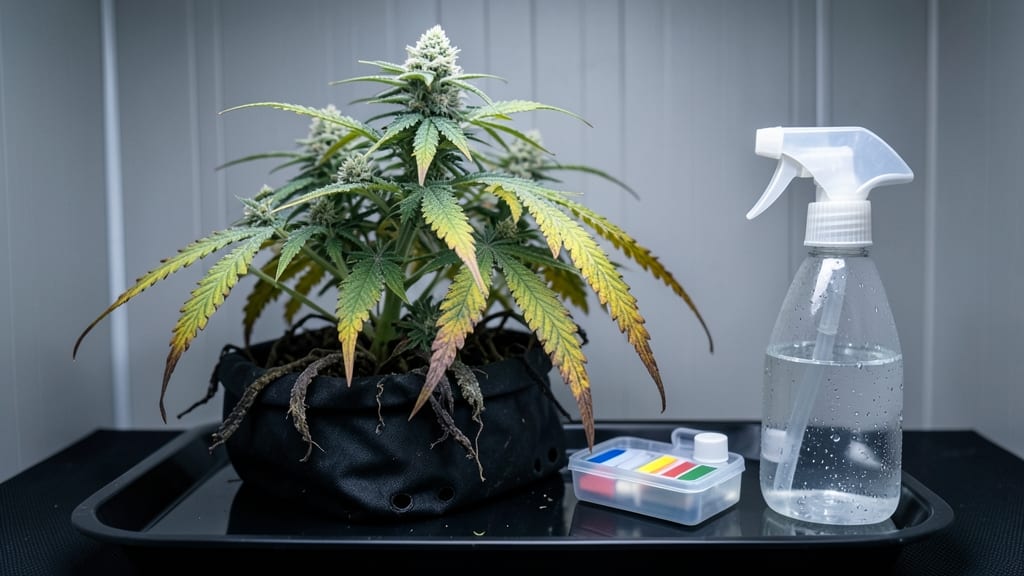
Your cannabis plants looking sick—like the sadder-than-usual rainy-day grow room? Wilted leaves don’t mean game over—these three simple steps bring them back to life faster than you’d expect.
I’ve nursed back plants with yellowing, drooping foliage that looked like they’d given up, and the secret isn’t some fancy gadget but fixing what’s actually wrong.
The real culprits are almost always overwatering, nutrient burn, or pests hiding in plain sight. Most growers drown their plants or forget to flush the soil, while others ignore the tiny webs spider mites spin.
Start by checking the soil—it should feel like a damp sponge, not a soggy swamp. Then, inspect the leaves for holes, sticky residue, or white powder, because those are your clues.
Within days, you’ll see fresh green leaves pushing out where there was wilting before. The key is acting fast—prune the worst damage, adjust your watering schedule, and treat pests with neem oil or insecticidal soap. Your plants will bounce back stronger than ever, and you’ll spot problems earlier next time.
Works for any grow setup, from small closets to outdoor gardens. The same principles apply whether you’re dealing with seedlings or mature buds—just scale the treatments. Let’s get those plants thriving again.
Root Causes Behind Plant Decline
Understanding why your cannabis plants look sick is the first step to bringing them back to health. Often, the symptoms you see—like yellowing leaves, wilting, or stunted growth—are just the plant’s way of signaling deeper issues.
Let’s break down the most common scientific causes behind ailing cannabis, so you can diagnose and fix the problem fast.
Cannabis thrives in a stable temperature range of 70–85°F (21–29°C) during the day and 58–70°F (14–21°C) at night. When temperatures stray too far from this ideal, your plants can suffer in ways that mimic disease.
- Heat Stress (Above 90°F / 32°C):
- High temperatures disrupt photosynthesis, causing leaf burn (brown, crispy edges) and transpiration stress (leaves curl to reduce water loss).
- Soil overheating can kill beneficial microbes, leading to nutrient deficiencies (even if you’re fertilizing).
- Fix: Use shade cloth, improve air circulation, and ensure proper irrigation (water in the morning to cool roots).
- Cold Stress (Below 50°F / 10°C): - Cold slows metabolic processes, causing stunted growth and purple-tinged leaves (a sign of phosphorus deficiency). - Frost damage (black, mushy spots) is irreversible—act fast if temps drop unexpectedly. - Fix: Use row covers, grow lights, or greenhouses in cold climates.
Avoid placing plants near drafts or AC vents.
Cannabis plants hate soggy roots.
Overwatering is one of the most common killers of cannabis, leading to: - Root rot (fungal/bacterial infection from anaerobic conditions—roots deprived of oxygen). - Yellowing lower leaves (chlorosis) due to nutrient uptake failure. - Stinky, mushy stems (a classic sign of Pythium or Phytophthora fungi).
Why it happens:
- Poor drainage (compacted soil, no perlite/sand mix).
- Overzealous watering (letting the top 1–2 inches dry between waterings).
- Using the wrong soil (heavy clay or peat-based mixes retain too much moisture).
Fix: ✅ Test soil moisture with your finger—water only when the top 1–2 inches are dry. ✅ Use a well-draining mix (60% soil, 30% perlite, 10% worm castings). ✅ Repot if needed—if roots smell rotten, trim the bad ones and transplant to fresh soil.
Sick cannabis plants often fall victim to pathogens that thrive in humid, stagnant environments. Here’s how they strike:
| Issue | Symptoms | Cause | Fix |
|---|---|---|---|
| Powdery Mildew | White, powdery coating on leaves | High humidity (>70%), poor airflow | Spray neem oil or baking soda mix (1 tsp/qt water). Increase airflow. |
| Bud Rot (Botrytis) | Gray, fuzzy mold on buds/leaves | Wet foliage, high humidity, poor airflow | Remove infected buds, reduce humidity to 40–50%, use hydrogen peroxide spray (3%). |
| Root Rot | Yellow leaves, mushy stems, foul smell | Overwatering, compacted soil | Stop watering, repot with fresh soil, add mycorrhizal fungi for recovery. |
| Bacterial Leaf Spot | Water-soaked brown spots, yellow halos | Contaminated water, tools, or soil | Remove infected leaves, use copper fungicide, sterilize tools. |
Pro Tip: 💡 Prevent infections by:
- Keeping humidity below 60% (use a dehumidifier in grow rooms).
- Sterilizing tools with rubbing alcohol between plants.
- Avoiding overhead watering (use drip irrigation or soaker hoses).
Cannabis needs 17 essential nutrients, but too much (or too little) of any can make plants look sick.
- Nutrient Burn (Overfeeding):
- Symptoms: Brown, crispy leaf edges (like a "fried" look).
- Cause: High EC (Electrical Conductivity) in water/soil (common with synthetic fertilizers).
- Fix: Flush the soil with pH-balanced water (6.0–7.0) and reduce fertilizer strength by half.
- Micronutrient Deficiencies:
- Iron (Fe) Deficiency: Yellow leaves with green veins (chlorosis).
- Magnesium (Mg) Deficiency: Yellow patches between veins (often in older leaves).
- Calcium (Ca) Deficiency: Blossom end rot (black, mushy buds).
- Fix: Use chelated nutrients (e.g., EDDHA iron) or Epsom salt (for Mg) in water.
Quick Test: 🌡️ Check your water’s pH—if it’s too high (alkaline), nutrients like iron become unavailable. Use pH adjusters to keep it in range.
Tiny pests can drain nutrients and introduce diseases, making plants look sick even if the soil is perfect.
| Pest | Signs | Damage | Solution |
|---|---|---|---|
| Spider Mites | Fine webbing, stippled leaves | Sap sucking, yellowing leaves | Spray neem oil or water blast (miters hate humidity). |
| Aphids | Sticky residue (honeydew), curled leaves | Weak growth, mold from honeydew | Soap spray (1 tsp mild soap/qt water) or ladybugs. |
| Fungus Gnats | Tiny black flies, damp soil | Larvae eat roots, stunt growth | Yellow sticky traps, hydrogen peroxide soil drench. |
| Caterpillars | Holes in leaves, frass (poop) | Defoliation, stress | Handpick or BT (Bacillus thuringiensis) spray. |
Prevention Tip: 🛡️ Inspect new plants before bringing them indoors—quarantine for a week to catch hitchhikers early.
Cannabis is light-sensitive, and wrong lighting can burn, stretch, or weaken plants.
- Light Burn (Too Intense):
- Symptoms: Bleached or white patches on leaves (like sunburn).
- Cause: LED/HPS too close (should be 18–24" away for veg, 24–36" for flower).
- Fix: Raise lights or reduce intensity (adjust wattage).
- Light Scorch (Heat + Light Combo):
- Symptoms: Brown, crispy edges (often on top leaves).
- Cause: Hot grow lights (e.g., HPS) + high humidity = transpiration stress.
- Fix: Add ventilation, use reflectors to spread light evenly.
- Light Deficiency (Too Weak):
- Symptoms: Stretched, pale leaves ("light deprivation" look).
- Cause: Weak bulbs, far lights, or obstructed growth.
- Fix: Upgrade bulbs, adjust height, or supplement with LEDs.
Not all cannabis plants are created equal—some genetics are more susceptible to stress, while others thrive in harsh conditions.
- Weak Genetics:
- Some strains (especially heirloom or landrace) are more prone to mold, pests, or nutrient issues.
Reviving Your Cannabis: Step-by-Step Fixes
When your cannabis plants show signs of distress—whether it’s yellowing leaves, wilting stems, or mysterious spots—don’t panic. Most issues have clear, actionable fixes. Below, we’ve mapped out practical solutions for common problems, along with prevention tips to keep your plants thriving long-term.
Think of this as your cannabis plant first-aid kit!
Signs: Yellowing leaves, mushy stems, or dry, crispy edges.
💧 Fix It Fast
- For Overwatering:
- Stop watering immediately and let the soil dry out completely (this could take days).
- Repot if needed: If roots are rotting (black, smelly), trim the bad roots and repot in fresh, well-draining soil.
- Check your pots: Ensure they have drainage holes and use a mix like 60% soil, 30% perlite, 10% coco coir for better aeration.
- For Underwatering:
- Water deeply until it runs out the drainage hole, then wait until the top inch of soil is dry before watering again.
- Mist leaves (if humidity is low) to prevent stress, but avoid soaking the soil.
💡 Prevention Tips
- Stick your finger in the soil—if the top 1–2 inches are dry, it’s time to water.
- Use a moisture meter for accuracy, especially in auto-pots.
- Adjust your schedule: Seedlings need water every 2–3 days; mature plants may go 5–7 days without water.
Signs: Brown leaf tips, yellowing between veins (deficiency), or white crust on soil (burn).
🍽️ Fix It Fast
- Flush the soil with pH-balanced water (6.0–7.0 for soil, 5.5–6.5 for coco) to remove excess nutrients.
- Adjust your feeding:
- Deficiency? Use a mild organic nutrient (like fish emulsion or worm castings) and feed every 2 weeks.
- Burn? Switch to half-strength nutrients or skip feeding for 1–2 weeks while flushing.
- Check your pH: Use a liquid test kit—incorrect pH locks out nutrients!
💡 Prevention Tips
- Follow the "weak and steady" rule: More isn’t better—stick to label instructions.
- Organic > Synthetic: Organic nutrients break down slowly, reducing burn risk.
- Flush before harvest (2 weeks out) to avoid bitter flavors from excess salts.
Signs: Holes in leaves, sticky residue (aphids), white powder (powdery mildew), or wilting despite proper care.
🛡️ Fix It Fast
| Problem | Solution | Prevention |
|---|---|---|
| Spider Mites | Spray with neem oil + water or introduce predatory mites. | Increase humidity (60%+) and mist daily. |
| Fungal Issues | Remove infected leaves, spray copper fungicide, and improve airflow. | Space plants 12–18" apart; avoid overhead watering. |
| Aphids | Blast off with water, then use insecticidal soap. | Attract ladybugs with companion plants (like basil or marigolds). |
| Root Rot | Trim black roots, repot in fresh soil, and reduce watering. | Use hydroponic clay pebbles for better drainage. |
💡 Prevention Tips
- Inspect daily: Catch pests early with a 10x magnifying glass.
- Quarantine new plants for 2 weeks before introducing them to your grow.
- Rotate leaves occasionally to check undersides (pests love hiding there).
Signs: Drooping leaves, white or brown patches, or slow growth despite proper care.
❄️🔥 Fix It Fast
- For Heat Stress:
- Move plants to a cooler spot (ideal temp: 70–85°F day, 58–70°F night).
- Mist leaves or use a small fan to improve airflow.
- Reflect light away from stressed plants with aluminum foil or a shade cloth.
- For Cold Shock:
- Use a space heater (keep it 2–3 feet away) or grow lights to maintain warmth.
- Insulate pots with bubble wrap if temps drop below 50°F.
💡 Prevention Tips
- Monitor temps with a digital hygrometer/thermometer.
- Avoid drafts near AC units or open windows.
- Use a heat mat for seedlings in cool climates.
Signs: Roots circling the pot, stunted growth, or leaves curling inward.
🪴 Fix It Fast
- Repot immediately into a container 2–4 inches larger with fresh soil.
- Loosen roots gently if they’re tightly bound—this encourages new growth.
- Prune lower leaves to reduce stress during the transition.
💡 Prevention Tips
- Upgrade pots gradually: Move up sizes every 4–6 weeks (e.g., 3" → 5" → 7").
- Use fabric pots for better root health and easier repotting.
- Train plants early with LST (low-stress training) to maximize space.
Final Thought: Most cannabis plant issues are fixable with quick action and a little TLC. The key is observation + consistency—once you spot the problem, act fast, and adjust your routine to prevent repeats. Your plants will bounce back stronger than ever! 🚀
Frequently asked questions about sick cannabis plants
Why are my cannabis leaves turning yellow?
Yellowing leaves usually signal overwatering, nutrient deficiencies, or root rot. Check the soil moisture first—it should feel like a damp sponge, not soggy. If roots look black or smell foul, repot with fresh, well-draining mix. For deficiencies, flush the soil and adjust pH (6.0–7.0 for soil) to unlock nutrients like iron or magnesium.
How do I know if my cannabis plant has pests?
Look for tiny webs (spider mites), sticky residue (aphids), or holes in leaves (caterpillars). Use a magnifying glass to spot pests hiding on leaf undersides. Treat spider mites with neem oil or insecticidal soap, and aphids with a strong water spray followed by ladybugs. Quarantine new plants for 2 weeks to prevent hitchhikers.
Can I save a cannabis plant with root rot?
Yes, but act fast! Trim all black, mushy roots with sterilized scissors, then repot in fresh, sterile soil with perlite for drainage. Reduce watering immediately—roots need time to recover. Add mycorrhizal fungi to boost regrowth. If the stem is soft or hollow, the plant may not survive, but early action often saves it.
What’s the best way to prevent mold on cannabis buds?
Keep humidity between 40–50% during flowering and ensure strong airflow with fans. Avoid overhead watering—use soaker hoses instead. Spray buds with 3% hydrogen peroxide (1:1 with water) weekly as a preventive. Remove any moldy buds immediately to stop it from spreading to healthy ones.
How often should I check my cannabis plants for problems?
Inspect plants daily for pests or early signs of stress, and weekly for nutrient issues or mold. Use a 10x magnifying glass for pests and a pH meter to catch nutrient imbalances before they cause damage. Morning checks work best—pests are most active then, and leaves are dry for easier symptom spotting.