
Planting
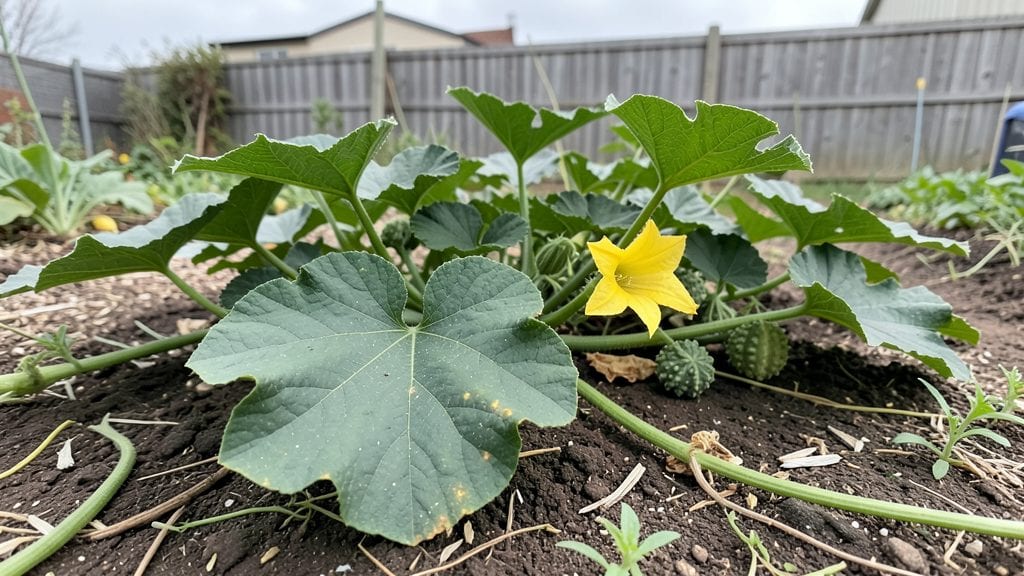
Growing carnival squash plants means summer harvests arrive faster than you think. 🌱 I planted mine just after the last frost, and by July, those bright orange fruits were ready to pick—no waiting months like with some winter varieties.
The key is getting them in the ground early enough so the vines have time to sprawl, but not so early that cold snaps set them back.
You’ll need well-draining soil with plenty of compost mixed in, and a sunny spot where the vines can stretch out at least 6 feet. Carnival squash thrives in heat but needs consistent moisture—think deep watering 1-2 times a week, more if your summer bakes the soil dry.
A handful of balanced fertilizer at planting and again when flowers appear keeps them productive without going overboard.
By midseason, you’ll be snipping off those first blossoms and watching the fruits swell into their signature bold orange. The vines produce prolifically, so prune any dead leaves to keep energy flowing to the fruit.
Harvest when the skin turns hard and the stem starts to dry—wait too long, and you’ll end up with giant, tough squash that’s hard to eat.
This variety stores surprisingly well too, so you can enjoy your harvest long after the garden’s done. Pair it with tomatoes, beans, or corn for a classic trio that keeps pests away. Ready to grow yours?
📚 In This Guide
- What you need
- Instructions
- Tips and common mistakes
- Wrapping up and next steps
What you need
- ● Seeds: 5–10 Cucurbita pepo ‘Carnival’ squash seeds (or 2–3 plants if buying seedlings).
- ● Container or Garden Space: For containers: 5-gallon pots or larger (at least 18" deep) with drainage holes.
- ● For ground planting: Full sun (6–8+ hours/day), well-draining soil, and space for vines to sprawl (10–15 sq ft per plant).
- ● Soil: High-quality potting mix or garden soil amended with compost (add 2–3 cups per planting hole).
- ● Fertilizer: Balanced 10-10-10 or 5-10-10 granular fertilizer (1 tbsp per plant at planting).
- ○ Optional: Compost tea or liquid fish emulsion for a mid-season boost.
- ● Watering Supplies: Watering can, hose with gentle nozzle, or drip irrigation system.
- ○ Trellis or Support (Optional but Helpful): 6–8 ft tall trellis, fence, or sturdy stakes to train vines (saves space!).
- ● Mulch: Straw or shredded leaves (2–3 inches thick) to retain moisture and suppress weeds.
- ● Pruning Shears: Small, sharp shears for harvesting and light pruning.
- ● Hardiness Zones: 3–12 (but thrives best in zones 4–10). Start seeds indoors 8–10 weeks before last frost or direct-sow after soil warms to 60°F+.
- ● Daylength: Prefers long, warm days (ideal for summer planting).
- ● Pollinators: Bees love Carnival squash! Plant near bee-friendly flowers (e.g., marigolds, nasturtiums).
Step-by-step instructions for growing carnival squash
Here's how to grow these vibrant orange squash vines quickly and efficiently.
🌱 Step 1: Prepare the Planting Site
Carnival squash thrives in warm soil, so wait until after your last frost date when soil reaches at least 60°F. Choose a location with full sun (6-8 hours daily) and well-draining soil. I always test my soil first—squash hates soggy roots, so amend heavy clay with 2-3 inches of compost to improve drainage.
Space plants 3-4 feet apart in rows 5 feet apart to give vines room to sprawl. If growing in containers, use pots at least 15 gallons each with drainage holes. The key is warmth—cold soil delays germination, so cover the bed with black plastic a week before planting to warm it up.
🌿 Step 2: Plant Seeds or Transplants
For direct sowing, plant seeds 1 inch deep and 2 inches apart in hills of 3-4 seeds each. I like to plant hills 5 feet apart in a grid pattern—this makes harvesting easier later. If using transplants, bury them just as deep as they were in their nursery pots.
Water immediately after planting to settle the soil around seeds. Keep the soil consistently moist but not soggy until germination, which takes 7-14 days in warm soil. You'll know it's working when you see the first true leaves—those are your signal to reduce watering slightly and let the soil dry out between waterings.
☀️ Step 3: Provide Support and Maintenance
Carnival squash vines grow aggressively, so install trellises or cages at planting time. I use sturdy wire trellises 6 feet tall to keep vines off the ground and prevent rot. Train vines by gently weaving them through the trellis as they grow—this encourages upward growth and makes fruit easier to spot.
Water at the base of plants 1-2 inches per week, aiming for deep, infrequent watering. Mulch around plants with 2-3 inches of straw or shredded leaves to retain moisture and suppress weeds. Watch for yellowing leaves—this usually means overwatering or poor drainage. Adjust your watering if you see this happen.
✂️ Step 4: Harvest at Peak Ripeness
Harvest begins 70-80 days after planting when fruits reach 6-8 inches long and develop their signature bright orange color. I check plants twice weekly—ripe squash should have a hard rind and no soft spots. Use a sharp knife or pruners to cut stems, leaving 1 inch of stem attached to preserve fruit quality.
Store harvested squash in a cool, dry place with good airflow. They keep for 2-3 months if uncut. The key to a fast harvest is consistent care—keep weeds down, water deeply, and watch for pests like squash bugs. Remove any damaged or diseased leaves immediately to protect the rest of the plant.
Tips & tricks for fast-growing carnival squash
Here's how to make your carnival squash grow even faster and more productively than the instructions suggest.
Soil Temperature Secret: That 60°F soil temperature is non-negotiable for quick germination. I've found using a soil thermometer for a few days before planting helps me time things perfectly. If your soil is below 60°F, use black plastic mulch a week ahead—it can raise soil temps by 10-15°F and cut germination time from 14 days to just 7 days! The faster the soil warms, the faster your vines take off.
Planting Layout Hack: The 3-4 feet spacing might seem generous, but trust me—it pays off. I've seen squash vines spread 10 feet in a season, so giving them room prevents crowding and disease. For small spaces, try the 5-foot row spacing but reduce plant spacing to 2 feet—just be prepared for more frequent harvesting to keep plants productive.
Trellis Timing: Install those 6-foot trellises right when you plant, even if vines aren't touching them yet. I've learned this the hard way—waiting until vines start sprawling makes training them through trellises a nightmare. The vertical growth from trellises also speeds up fruit ripening by 7-10 days compared to sprawling vines.
Watering Wisdom: Those 1-2 inches per week should be measured after rain—don't double up if it's been drizzling. I use a rain gauge to track actual rainfall, then supplement only when needed. The key is deep watering: soak the soil 6 inches deep once a week rather than light watering daily. This encourages strong root growth that supports faster vine development.
Pro Tips for Carnival Squash Plant
- Here's how to make your carnival squash grow even faster and more productively than the instructions suggest.
- Soil Temperature Secret: That 60°F soil temperature is non-negotiable for quick germination.
- Planting Layout Hack: The 3-4 feet spacing might seem generous, but trust me—it pays off.
Frequently asked questions
Got questions about growing carnival squash?
You’re not alone! Here are answers to the most common queries to help you cultivate vibrant, productive vines with ease.
How long does it take for carnival squash to mature?
Carnival squash typically matures in 85–100 days from transplanting, depending on your climate and growing conditions. In warm regions, you might see fruits ready to harvest as early as 75 days. Keep an eye on the size—when the squash reaches 6–10 inches long and the rind hardens, it’s time to pick!
What’s the best temperature for growing carnival squash?
Carnival squash thrives in warm soil (70–90°F) and air temperatures. Start seeds indoors 2–4 weeks before the last frost or sow directly after soil warms. If nights dip below 50°F, use frost cloth to protect young plants. Heat waves? Ensure consistent watering to prevent blossom-end rot.
Can I grow carnival squash in containers?
Carnival squash does well in large containers (at least 5-gallon pots) with good drainage. Use a trellis or cage to manage vines and save space. Just ensure the container stays moist but not soggy—container-grown plants dry out faster. A 5-foot-tall trellis works great for vertical growth!
What pests should I watch for with carnival squash?
Common pests include cucumber beetles, squash bugs, and aphids. Preventative tips:
- Row covers early in the season to block beetles.
- Handpick squash bugs from leaves (they’re easy to spot!
- Use neem oil or insecticidal soap for aphids.
- Rotate crops yearly to reduce soil-borne pests.
What can I do if my carnival squash flowers but no fruit forms?
This usually happens due to poor pollination or temperature stress. Try these fixes:
- Hand-pollinate flowers with a small paintbrush if bees are scarce.
- Ensure daytime temps stay above 75°F—cool nights can prevent fruit set.
- Use a balanced fertilizer (like 10-10-10) if soil nutrients are lacking.
Pro Tip:
For bigger, sweeter squash, thin vines to 1–2 main stems early on. This directs energy to fruit production instead of excessive foliage. Happy growing!
Wrapping up and next steps
Growing a Carnival squash plant is a rewarding journey that brings vibrant color and delicious harvests to your garden! 🌱 Whether you're a seasoned gardener or just starting out, these fast-growing vines offer an exciting challenge with their bold orange fruits and easy care.
Now that you know the essential materials and have answers to common questions, it’s time to roll up your sleeves and get planting.
Ready to dive in? Start by choosing your spot—sunny, spacious, and well-drained soil is key—and follow the steps to nurture your squash from seed to harvest. Before you know it, you’ll be enjoying homegrown squash straight from the vine! Happy gardening! 🌞