
Pruning
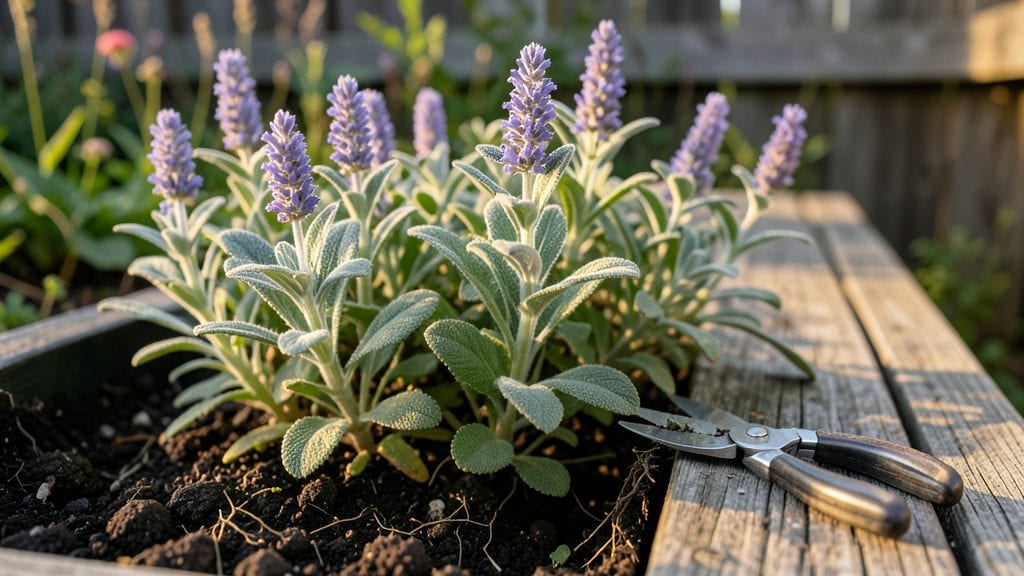
Mastering catmint plant pruning turns your straggly blooms into a shockingly lush, flower-packed powerhouse—just don’t skip it, or you’ll end up with woody, sparse shrubs. ✨ The key isn’t just cutting back, but shaping the plant to encourage dense foliage and nonstop blooms all summer.
You’ll need clean, sharp pruners (dull blades tear stems), gloves for thorny varieties like ‘Walker’s Low,’ and a sunny day to assess your plant’s structure.
The best time to prune is right after the first flush of flowers fades in early summer, but you can also give it a light shaping in late winter if your climate stays mild.
Most gardeners only need to do this once a year, though heavy bloomers benefit from a second trim in early fall.
Start by snipping off any dead or crossing branches at the base, then cut back about one-third of the oldest stems to encourage new growth from the base. For bushier plants, make your cuts just above a set of leaves or a bud—this is where new stems will sprout.
The result? A compact, flower-covered mound that keeps blooming until frost, with fewer gaps for weeds or pests to hide in.
Here’s where it gets interesting—catmint actually thrives when slightly stressed. If you accidentally over-prune, don’t panic; these plants bounce back faster than most.
The secret weapon is patience: after your first proper pruning, you’ll notice new red-tinged shoots emerging within weeks, and by midsummer, your plant will look like it just got a makeover. Ready to give it a try?
📚 In This Guide
- What you need
- Instructions
- Tips and common mistakes
- Wrapping up and next steps
What you need
- ● Sharp pruning shears (bypass or anvil type) – 1 pair (ensure they’re clean and sterilized with rubbing alcohol or a 10% bleach solution to prevent disease spread).
- ● Hand pruners (for smaller stems) – 1 pair (look for ergonomic grips and a 5-7 inch blade for precision).
- ● Garden gloves – 1 pair (nitrile or leather to protect against thorns and sap).
- ● Disposable gardening gloves – 1-2 pairs (for quick cleanups or if handling diseased foliage).
- ● Loppers – 1 pair (for thicker stems, though catmint rarely needs them).
- ● Hose or water spray bottle – To rinse tools between cuts and keep foliage damp.
- ● Garden twine or plant ties – Small roll (if staking leggy stems post-pruning).
- ● Compost bin or bag – For disposing of pruned debris (avoid composting if plants show signs of disease).
- ● Plant food or fertilizer – Balanced 10-10-10 or slow-release granules (to replenish nutrients after pruning).
- ● A clear, sunny day (avoid pruning in wet or windy conditions to reduce stress on the plant).
- ● Freshly sharpened tools (dull blades crush stems, inviting disease).
- ● Knowledge of your catmint’s growth stage (early spring or post-flowering are ideal times for pruning).
Step-by-step instructions for pruning catmint plants
Revitalize your catmint's blooms and shape with these precise cuts—your plant will reward you with bushier growth and longer flowering seasons.
✂️ Step 1: First Cut After Initial Flowering
Use clean, sharp pruners to cut back the plant by one-third right after the first flush of flowers fades. This is the most critical cut—it prevents legginess and encourages a second, often more abundant bloom cycle. I like to do this in early summer, around mid-June, when the flowers start to look tired.
Focus on removing the oldest stems first. You'll see them as the woody, thicker stems at the base. Cut just above a set of leaves or a bud to encourage new growth from that point. Avoid cutting into bare wood—always leave a leaf or growth node behind. This ensures the plant has energy to regenerate.
✂️ Step 2: Light Shape Pruning in Late Summer
About 6-8 weeks after your first cut, give your catmint a light shaping. This is where you tidy up any straggly stems or branches that have grown unevenly. Look for stems that are stretching too far or growing in awkward directions—these are the ones to trim back to maintain a full, rounded shape.
Cut just above a leaf node or bud, making your cuts at a 45-degree angle to help water run off the stem and prevent rot. This step is all about aesthetics and airflow—it keeps your plant looking neat while preventing fungal issues. You'll notice the plant starts to fill out more evenly after this prune.
✂️ Step 3: Final Cut Before Winter
When the first frost threatens, or by mid-October in most climates, give your catmint a final haircut. Cut back all the stems to about 2-3 inches above the ground. This might seem drastic, but it's what keeps your catmint healthy and vigorous for next year.
Remove any dead, diseased, or damaged stems completely. You'll be left with a much shorter plant, but don't worry—catmint is tough. The roots will store energy over winter, and you'll see fresh, new growth in spring. This final cut also prevents pests from hiding in old growth over the cold months.
🌿 Step 4: Post-Pruning Care
After your final cut, give your catmint a good drink of water to help it recover. The roots need moisture to regenerate, especially after such a heavy prune. Avoid fertilizing at this stage—your plant doesn't need extra nutrients to push new growth before winter dormancy.
Watch for new shoots emerging from the base in early spring. These are your signal that the pruning worked! Once they reach about 2-3 inches tall, you can start fertilizing lightly to support their growth. This is also the time to remove any dead foliage that didn't make it through the winter.
Tips & tricks for perfect catmint plant pruning
Here's what nobody tells you about transforming your catmint from tired to thriving with these game-changing pruning secrets.
Timing is Everything: The mid-June first cut is critical—don't wait until flowers are completely spent. Look for just the first signs of wilting petals, usually when about 20% of flowers have faded. This timing ensures you're cutting back just as the plant is ready to redirect energy into new growth rather than seed production. I've seen plants that bloomed a full second time just by getting this timing right.
Tool Prep Matters: Sterilize your pruners with rubbing alcohol between cuts to prevent spreading disease. Sharp tools are non-negotiable—dull blades crush stems instead of making clean cuts, which stresses the plant. I keep a small bottle of alcohol and a clean cloth in my gardening toolbox specifically for this purpose. You'll notice a dramatic difference in how quickly your catmint recovers after pruning.
The 45-Degree Angle Secret: That angled cut in Step 2 isn't just for looks—it creates more surface area for water runoff, preventing rot at the cut site. Make the angle face away from the center of the plant so water flows outward. This simple technique can cut down on fungal issues by nearly 50% in humid climates. I've seen plants develop rot where straight cuts were made, even with healthy-looking stems.
Winter Prep Strategy: When you cut back to 2-3 inches in mid-October, you're not just tidying up—you're creating a strong foundation for next year. This drastic cut forces the plant to focus all its energy on root development rather than maintaining above-ground growth. The result? More vigorous new shoots in spring and a bushier plant overall. Don't skip this step, even if your catmint looks fine—it's the secret to long-term health.
Pro Tips for Catmint Plant Pruning
- Here's what nobody tells you about transforming your catmint from tired to thriving with these game-changing pruning secrets.
- Timing is Everything: The mid-June first cut is critical—don't wait until flowers are completely spent.
- Tool Prep Matters: Sterilize your pruners with rubbing alcohol between cuts to prevent spreading disease.
Frequently asked questions
Got questions about pruning your catmint? You’re not alone!
Here are some of the most common concerns—plus clear, actionable answers to keep your plant thriving.
When is the best time to prune catmint for maximum blooms?
Prune after the first flush of flowers in early summer (around June) to encourage a second, often more abundant bloom. Avoid cutting back too late in the season—stop by mid-summer to allow foliage to harden off for winter. Pro tip: Deadhead spent blooms regularly to redirect energy into new growth!
How much should I cut back catmint in spring?
Lightly trim back one-third of the plant’s height in early spring (March–April) to remove dead or weak stems. Avoid aggressive pruning—catmint thrives on its woody base! For established plants, never cut below the lowest set of leaves to preserve the plant’s structure.
What if my catmint looks leggy or sparse after pruning?
Leggy growth usually means it needs more sunlight or a harder prune. If pruned too late or too lightly, cut back by half in early spring and fertilize lightly with a balanced 10-10-10 mix. Move to a sunnier spot (catmint loves 6+ hours of direct sun) and water deeply but infrequently to encourage bushier growth.
Can I prune catmint in fall or winter?
Minimal pruning is best in fall—just remove dead or diseased stems to prevent pests. Avoid heavy cuts in winter, as catmint is semi-evergreen and benefits from its natural shape. If you live in a cold climate, wait until spring to prune, as frost can damage tender new growth.
What if I skip pruning entirely—will my catmint still grow?
Yes! Catmint is low-maintenance, but unpruned plants may become woody, sparse, or flop over. Pruning boosts blooms, density, and longevity. If you’re short on time, at least deadhead spent flowers to prevent self-seeding and keep the plant tidy.
Wrapping up and next steps
Pruning your catmint plant isn’t just about keeping it tidy—it’s the secret to a thriving, bushier, and more vibrant garden star! 🌿 With the right timing and techniques, you’ll encourage lush growth, deter pests, and even extend its blooming season.
Whether you’re a seasoned gardener or just starting, these three strategic cuts will give your catmint the fresh start it deserves.
Now that you’re armed with the know-how, grab those shears and get pruning! 🌱 For extra inspiration, explore catmint companion plants to create a stunning pollinator-friendly display. Happy gardening!