
Companion Plants
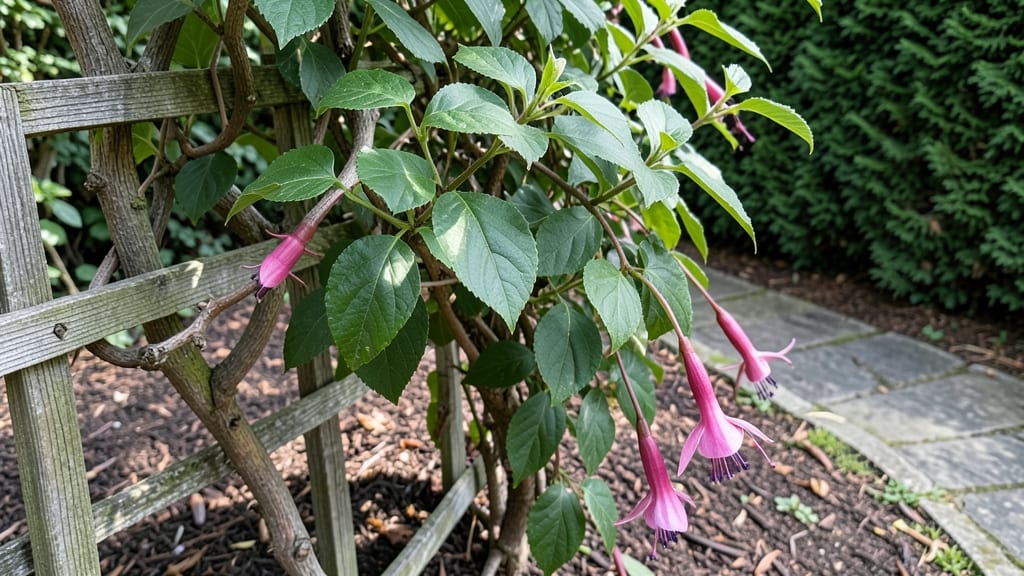
Climbing fuchsia plants bring a splash of velvety blooms to trellises and arbors without the fuss of constant watering. 🌿 I’ve grown them in my dry-climate garden for years, and they’ve never once complained about the heat—just keep them in bright, indirect light and well-draining soil.
The secret lies in their natural resilience; these plants store moisture like little water tanks, so you’ll cut back on irrigation while still enjoying those showstopping flowers.
The right setup makes all the difference. You’ll need a sturdy trellis or obelisk (they can get heavy with blooms), a mix of potting soil and perlite for drainage, and a spot where they get morning sun and afternoon shade.
Most gardeners overwater these plants, but climbing fuchsias actually prefer to dry out between waterings—think of them as the low-maintenance divas of the garden world. With the right conditions, they’ll reward you with blooms from spring through fall, and sometimes even into winter.
Once established, these plants become self-sufficient, thriving on minimal fertilizer and occasional pruning to encourage new growth. The flowers, in shades of pink, purple, and white, dangle like tiny chandeliers, attracting hummingbirds and adding a whimsical touch to any garden.
You’ll love how they transform bare walls or fences into living tapestries without the high water bill. The best part? They’re tough enough to handle neglect but elegant enough to feel like a luxury.
Fair warning: these plants can get leggy if they don’t get enough light, so keep an eye on their growth habits. A quick trim in early spring will keep them compact and encourage more blooms.
And if you live in a colder climate, treat them as annuals or bring them indoors for winter—they’ll bounce back stronger than ever when spring rolls around. Ready to add some drama to your garden without the drama?
📚 In This Guide
- What you need
- Instructions
- Tips and common mistakes
- Wrapping up and next steps
What you need
- ● Climbing Fuchsia Plants: 3–5 healthy, well-rooted plants (choose drought-tolerant varieties like Fuchsia magellanica or Fuchsia triphylla).
- ● Potting Mix: 10–15 gallons of well-draining, peat-based or cactus/succulent mix (amend with perlite or pumice for extra aeration).
- ● Containers or Garden Beds: Containers: 5–10 gallon pots with drainage holes (terracotta or fabric grow bags work best).
- ● Garden Beds: Raised beds or slopes with loose, sandy soil (avoid heavy clay).
- ● Support Structures: Trellises, obelisks, or sturdy stakes (at least 4–6 feet tall for vining varieties).
- ● Gloves & Pruners: Sharp, sterilized pruners (for trimming and shaping).
- ● Watering Can or Drip System: 1–2 gallons capacity (climbing fuchsias prefer deep but infrequent watering).
- ● Fertilizer: Balanced, slow-release fertilizer (10-10-10) or organic options like composted manure.
- ● Mulch: 2–3 inches of organic mulch (straw or bark) to retain moisture.
- ● Shade cloth (30–50% coverage) for hotter climates.
- ● Slow-release moisture granules for extended drought periods.
- ● Decorative climbing nets or lattice for aesthetic support.
Step-by-Step guide to growing climbing Fuchsia plants
Here’s how to coax those vibrant, cascading blooms into thriving vertical displays with minimal fuss.
🌱 Step 1: Select and Prepare the Right Containers
Climbing fuchsias need well-draining containers with multiple drainage holes—they’ll rot if their roots sit in soggy soil. I use 10-12 inch pots for each plant since their roots spread wider than you’d expect. Add a 3-inch layer of gravel or broken pottery at the bottom to prevent clogging and improve airflow.
Fill the pot halfway with a lightweight potting mix—avoid garden soil, which compacts and suffocates roots. Mix in one part perlite for every three parts potting mix to keep things airy. This blend mimics their natural, well-drained habitat and keeps moisture balanced.
☀️ Step 2: Choose the Perfect Spot for Light and Airflow
Climbing fuchsias crave bright, indirect light—think morning sun with afternoon shade. A south- or east-facing window works best, but avoid harsh afternoon rays that scorch delicate leaves. If your space is low-light, supplement with a grow light positioned 12-18 inches away for 12-14 hours daily.
Airflow is just as critical—crowded plants develop powdery mildew fast. Place pots 6-12 inches apart and position near an open window or fan for gentle circulation. You’ll know you’ve got it right when leaves stay deep green and crisp, not yellowing or wilting.
💧 Step 3: Water Deeply but Infrequently
These drought-resistant beauties hate soggy roots, so water only when the top 1-2 inches of soil feel dry to the touch. Stick your finger in—if it’s damp, wait another day. When you do water, soak thoroughly until water runs out the drainage holes. This encourages deep root growth and prevents weak, shallow roots that dry out fast.
I like to water in the morning so excess moisture evaporates by evening. Avoid wetting the leaves—use a watering can with a narrow spout to direct water straight to the soil. Yellowing leaves? You’re likely overwatering. Drooping but still firm? Time to hydrate.
✂️ Step 4: Prune and Train for a Lush Cascade
Pinch back new growth when stems reach 6-8 inches to encourage bushier, fuller plants. Use clean, sharp scissors to snip just above a leaf node (where new leaves sprout). This trick forces the plant to branch out instead of growing leggy. I do this every 4-6 weeks during the growing season to keep fuchsias compact and blooming.
To train climbing varieties, gently weave stems through a trellis or macramé hanger as they grow. Avoid tying—fuchsias resent being bound and may snap. Instead, let them drape naturally or guide with soft twine tied loosely. Prune spent blooms right at the base to redirect energy into new flowers.
🌿 Step 5: Fertilize Lightly for Long-Lasting Blooms
Feed your fuchsias once a month during spring and summer with a balanced, water-soluble fertilizer (like 10-10-10). Mix it at half-strength—too much fertilizer burns roots and reduces blooms. I skip fertilizing in fall and winter when growth slows. Over-fertilizing is the #1 way to kill these plants, so less is always better.
Look for dark green leaves and abundant buds as signs you’re doing it right. If leaves turn yellow with brown tips, flush the soil with plain water to remove excess salts. In late summer, switch to a low-phosphorus fertilizer to encourage fall blooms before dormancy.
Tips & tricks for perfect climbing Fuchsia plants
Here's what nobody tells you about keeping these drought-resistant beauties thriving with minimal fuss.
Container Setup: Don't skip the gravel layer in Step 1—it's not just about drainage, it's about creating an oxygen-rich zone at the bottom. I've seen roots rot after just 2 weeks when this step was skipped. Use terracotta pots if you can—they wick away moisture naturally and prevent soggy soil. For extra insurance, add a handful of orchid bark to your potting mix blend.
Lighting Hack: The 12-14 hours of grow light in Step 2 works wonders, but here's the secret: position the light so it covers the plant from all sides. Fuchsias grow toward light, so rotating your pots quarter-turn every few days prevents them from leaning. I use a simple timer on my grow light to automate this—no more guesswork about sunlight exposure.
Watering Wisdom: In Step 3, when you're checking soil moisture, press your finger in about 1 inch deep—not just the surface. The top 1-2 inches can dry faster than deeper soil, giving a false "ready to water" signal. I've learned this the hard way after overwatering plants that actually needed hydration. Morning watering is key—it gives excess moisture time to evaporate before nightfall when humidity is higher.
Pruning Pro Tip: When pinching back new growth in Step 4, look for the first set of true leaves (not the tiny seed leaves) before making your cut. This encourages stronger branching. I also recommend sterilizing your scissors with rubbing alcohol between cuts to prevent spreading disease. For climbing varieties, I weave stems through my trellis in a figure-eight pattern—it creates a natural, full look without damaging the stems.
Pro Tips for Climbing Fuchsia Plants
- Here's what nobody tells you about keeping these drought-resistant beauties thriving with minimal fuss.
- Container Setup: Don't skip the gravel layer in Step 1—it's not just about drainage, it's about creating an oxygen-rich zone at the bottom.
- Lighting Hack: The 12-14 hours of grow light in Step 2 works wonders, but here's the secret: position the light so it covers the plant from all sides.
Frequently asked questions
Got questions about growing climbing fuchsia plants? You’re not alone! Here are some of the most common queries—plus quick, practical answers to keep your vines happy and blooming.
How fast do climbing fuchsias grow, and how tall can they get?
Climbing fuchsias grow at a moderate pace, typically adding 6–12 inches per season with proper care. With support (like trellises or obelisks), they can reach 3–6 feet tall, though some vigorous varieties may exceed 8 feet in ideal conditions. Prune regularly to encourage bushier growth and prevent legginess.
When is the best time to plant climbing fuchsias?
For year-round blooms, plant in early spring (after the last frost) or late summer (to establish roots before winter). In mild climates, you can plant anytime! Avoid extreme heat or cold—fuchsias prefer consistent temperatures (60–75°F). Container-grown plants adapt well and can be transplanted at any time.
Are climbing fuchsias truly drought-resistant? How often should I water them?
While they’re more drought-tolerant than many flowers, they still need regular moisture—especially during blooming season. Water deeply 2–3 times per week in hot/dry weather, but let the top inch of soil dry out between waterings. Mulch around the base to retain moisture. Pro tip: Yellowing leaves often signal underwatering, while drooping or mushy stems mean overwatering!
What’s the best support structure for climbing fuchsias?
Fuchsias need lightweight, sturdy support to climb without snapping. Top picks:
- Trellises (metal or wooden) for vertical gardens.
- Obelisks (like the “Fuchsia Obelisk”) for compact spaces.
- Arbors or pergolas for a romantic, cascading look.
- Avoid heavy wire—it can damage delicate stems.
Why aren’t my climbing fuchsias blooming? Troubleshooting tips!
No flowers? Check these common culprits:
- Too much sun (they prefer morning sun + afternoon shade).
- Over-fertilizing with nitrogen (use a balanced 10-10-10 or bloom-boosting fertilizer).
- Lack of deadheading—remove spent blooms to encourage new flowers.
- Stress from heat/drought—keep soil consistently moist.
Wrapping up and next steps
Climbing fuchsias are a game-changer for gardeners seeking drought-resistant, vibrant blooms that add year-round charm with minimal fuss! 🌸 Their adaptability, stunning colors, and low-maintenance nature make them perfect for trellises, containers, or even cascading over walls.
Whether you're a seasoned gardener or just starting out, these plants offer effortless beauty and a touch of whimsy to any space.
Ready to transform your garden? Start by choosing your favorite variety—then grab your pruners and get planting! With the right care, your climbing fuchsia will reward you with months of stunning flowers and a thriving, resilient garden. Happy gardening! 🌿✨