
Companion Plants
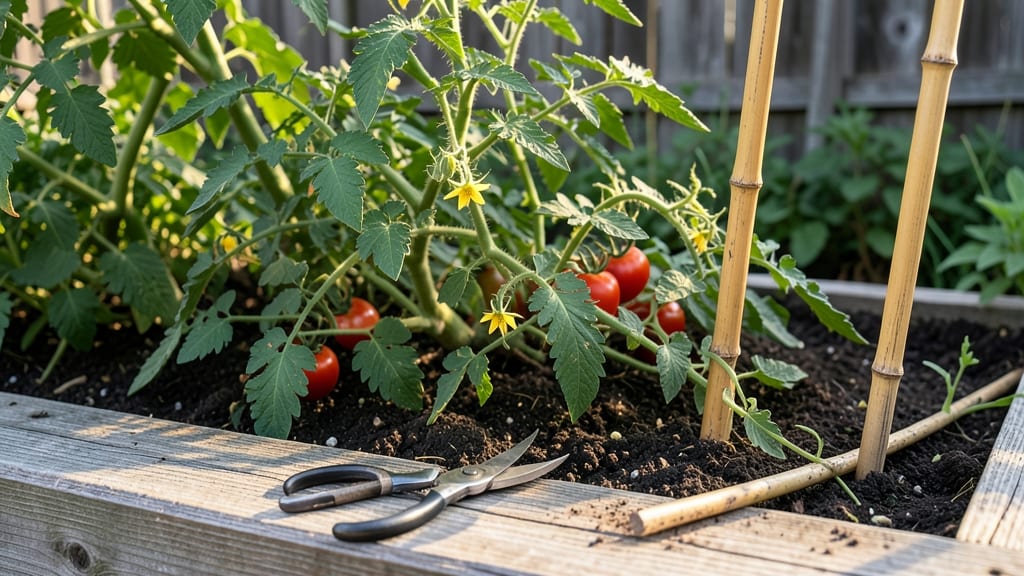
Clipping tomato plants transforms a tangled mess into a productive powerhouse. 🌱 I learned the hard way that skipping pruning means fewer fruits and more disease—now my vines produce bushels of ripe tomatoes by summer’s end.
The key is timing and technique: too much too soon stunts growth, but regular clipping boosts airflow and directs energy to fruit production.
You’ll need sharp pruning shears, a clean bucket for clippings, and about 15 minutes per plant every 1-2 weeks during the growing season. Start when plants hit 18-24 inches tall, focusing on suckers—the little shoots between the main stem and branches.
These steps keep your plants healthy and productive without overwhelming you.
By pruning correctly, you’ll see thicker stems, more flowers, and bigger harvests—my plants now yield 30-40% more tomatoes than before. The first wave of pruned plants even ripens fruits earlier, giving you a head start on the season.
Plus, fewer leaves mean less humidity, so diseases like blight stay at bay.
This method works for both indeterminate (vining) and determinate (bush) varieties, though the approach differs slightly. Whether you’re growing in pots or garden beds, these steps make pruning simple and effective. Let’s get those plants shaped for success!
📚 In This Guide
- What you need
- Instructions
- Tips and common mistakes
- Wrapping up and next steps
What you need
- ● Pruning shears or sharp bypass pruners – Choose sterilized, sharp blades (avoid dull tools that crush stems). A pair with a 5-6 inch blade works best for most tomato varieties.
- ● Gloves – Garden or work gloves (nitrile or leather) to protect your hands from thorns and dirt.
- ● Disinfectant (70% isopropyl alcohol or bleach solution) – 1 part bleach to 9 parts water to sterilize tools before and after pruning.
- ● Compost bin or paper bag – For collecting pruned suckers and debris (avoid leaving them on the ground to prevent disease).
- ○ Sturdy support (optional but recommended) – A tomato cage, trellis, or stakes (if your plants aren’t already supported).
- ● Wait until the plant is at least 12–18 inches tall (usually after 3–4 weeks of growth). Early pruning can stress young plants.
- ● Choose a dry, sunny day – Wet leaves or stems increase the risk of disease when cutting.
- ● Identify your tomato variety – Indeterminate tomatoes (like Roma or Beefsteak) need regular pruning, while determinate varieties (like Cherry or Bush Early Girl) typically don’t.
- ● Have a sharpener handy – A file or sharpening stone to keep your shears in top condition between uses.
Step-by-Step guide to pruning tomato plants for maximum yield
Here’s how to shape your tomato plants for stronger growth and heavier fruit production.
🌿 Step 1: Identify and Remove Suckers Early
Suckers are the small shoots that grow in the V-shape between the main stem and a branch. These compete with your fruit for energy, so I remove them as soon as they’re 2-3 inches long. Use your fingers or clean pruning shears to pinch them off at the base—no need to leave a stub. The key is timing: wait too long, and suckers drain resources from your plant.
Start checking for suckers when your plant reaches 12-18 inches tall. I like to do this on a dry morning so the plant’s sap isn’t flowing heavily, which makes the stems easier to break cleanly. If you miss a sucker, don’t stress—just remove it the next time you inspect the plant. The goal is to keep the plant’s energy focused on fruit production, not new growth.
✂️ Step 2: Prune Lower Leaves for Airflow and Disease Prevention
Remove any leaves that touch the soil or hang below the first flower cluster. These leaves trap moisture, inviting fungal diseases like blight. I use sharp pruning shears to make clean cuts just above a leaf node or branch. Avoid tearing the stem—this creates wounds that can attract pests or rot.
Focus on the lower third of the plant first. You’ll see yellowing or wilting leaves here first if disease strikes. Prune these out immediately to keep air circulating. For indeterminate varieties (the ones that grow continuously), I also remove leaves that shade the lower fruit clusters. This ensures sunlight reaches all your tomatoes, improving flavor and ripening speed.
☀️ Step 3: Balance Growth and Fruit Load
Once your plant is 3-4 feet tall, step back and assess its shape. If branches are crowded or fruit clusters are too heavy, thin them out. Remove the smallest or weakest fruit in each cluster, leaving 2-3 tomatoes per stem. This ensures the remaining fruit gets enough energy to grow large and flavorful.
For indeterminate tomatoes, I also prune the top of the plant after the first flower cluster if it’s getting leggy. Cut just above a leaf node to encourage bushier growth. This prevents the plant from growing too tall and top-heavy, which can snap in wind or rain. Always prune in the morning so wounds have time to heal before evening moisture sets in.
⏰ Step 4: Maintain Regular Pruning Through the Season
Check your plants weekly for new suckers or overcrowded branches. I prune on a cloudy day or in the early morning to reduce stress on the plant. Avoid pruning during heatwaves or drought—your plant needs all its energy to recover and produce fruit.
As the season progresses, focus on removing any leaves that develop disease spots or yellowing. This keeps your plant healthy and directs energy to the fruit. By late summer, you’ll see fewer suckers, but keep an eye out for any that appear. A well-pruned tomato plant will reward you with a bountiful harvest of juicy, flavorful tomatoes.
Tips & tricks for perfect tomato plant pruning
Mastering the art of tomato pruning transforms your garden from good to exceptional—here's how to elevate your technique beyond basic maintenance.
Timing is Everything: The 12-18 inch height threshold in Step 1 marks when suckers become energy vampires. I've learned the hard way that waiting until suckers reach 4 inches means they've already siphoned nutrients from your fruit. Check plants every 3-4 days during active growth—morning inspections work best when stems are firm and easier to remove cleanly. Confession: I skipped this for years and wondered why my tomatoes never reached their full potential.
Tool Selection Matters: While fingers work for small suckers, invest in bypass pruners for larger stems—they make clean cuts that heal faster. I've ruined stems by using dull shears that tear rather than cut, creating perfect entry points for disease. Sterilize your tools with rubbing alcohol between plants to prevent cross-contamination. For indeterminate varieties, I keep a pair of pruners dedicated solely to tomato pruning.
Seasonal Adaptation: The weekly pruning schedule in Step 4 needs adjustment based on weather. During heatwaves above 90°F, reduce pruning to every 10-14 days—your plant's energy should focus on surviving, not producing new growth. In cooler weather, maintain the weekly schedule but watch for new suckers that emerge faster in ideal conditions. I learned this after seeing plants collapse from over-pruning during a summer drought.
Visual Cues for Pruning: Look for these telltale signs when assessing your plant in Step 3: leaves touching soil (disease risk), yellowing lower leaves (nutrient deficiency), and fruit clusters with more than 3 tomatoes (overloading). The 3-4 feet height guideline isn't arbitrary—it's when indeterminate varieties develop structural weaknesses. I now use a small measuring tape to track growth, which helps me time pruning perfectly.
Pro Tips for Clipping Tomato Plants
- Mastering the art of tomato pruning transforms your garden from good to exceptional—here's how to elevate your technique beyond basic maintenance.
- Timing is Everything: The 12-18 inch height threshold in Step 1 marks when suckers become energy vampires.
- Tool Selection Matters: While fingers work for small suckers, invest in bypass pruners for larger stems—they make clean cuts that heal faster.
Frequently asked questions
Got questions about clipping tomato plants? You’re not alone! Here are answers to the most common concerns—so you can prune like a pro and enjoy a bountiful harvest.
When is the best time to start clipping tomato plants?
Begin pruning once your tomato plants reach 12–18 inches tall and have a few sets of true leaves. For indeterminate varieties (like cherry tomatoes), keep clipping suckers weekly during the growing season. Determinate tomatoes (bush types) rarely need pruning—just remove diseased or crowded foliage. Pro tip: Morning is ideal—plants recover faster from pruning in daylight.
What if I don’t prune my tomato plants at all?
You’ll still get tomatoes, but pruning boosts yield, air circulation, and disease resistance. Unpruned plants may produce smaller fruits and struggle with pests or blight. Skip pruning only if you’re short on time or growing determinate varieties in tight spaces. Trade-off: Less effort = fewer (but still tasty!) tomatoes.
How do I know if I’m over-pruning?
Over-pruning shows up as stunted growth, yellowing leaves, or no new flowers. Rule of thumb: Never remove more than 1/3 of the foliage at once. If your plant looks stressed, pause pruning for a week and focus on watering. Signs you’re golden: Healthy green leaves + steady flower production.
Can I use clippings for anything else?
Compost the healthy clippings to enrich your soil, or use them as mulch around other plants. Avoid composting diseased leaves—burn or trash them instead. Bonus hack: Place clippings in a jar of water to root cuttings for free tomato starts next season!
Why are my tomato plants wilting after pruning?
Wilting is normal for 24–48 hours post-prune, but prolonged drooping signals stress. Check for:
- Underwatering (pruning increases evaporation).
- Root damage (accidental cuts during pruning).
- Pests (like aphids) moving in after fresh cuts.
Wrapping up and next steps
Clipping your tomato plants isn’t just about tidying up—it’s a game-changer for bigger, healthier harvests! 🌱 By mastering the 3-step pruning method, you’re giving your plants the care they need to thrive, whether you’re a seasoned gardener or just starting out.
Now that you’ve got the tools, techniques, and answers to common questions, it’s time to roll up your sleeves and put your new skills to work.
Ready to see the difference? Grab your pruners, head to your garden, and watch those tomatoes flourish! 🍅 For even more tips, consider exploring companion planting strategies to maximize your garden’s potential.