
Companion Plants
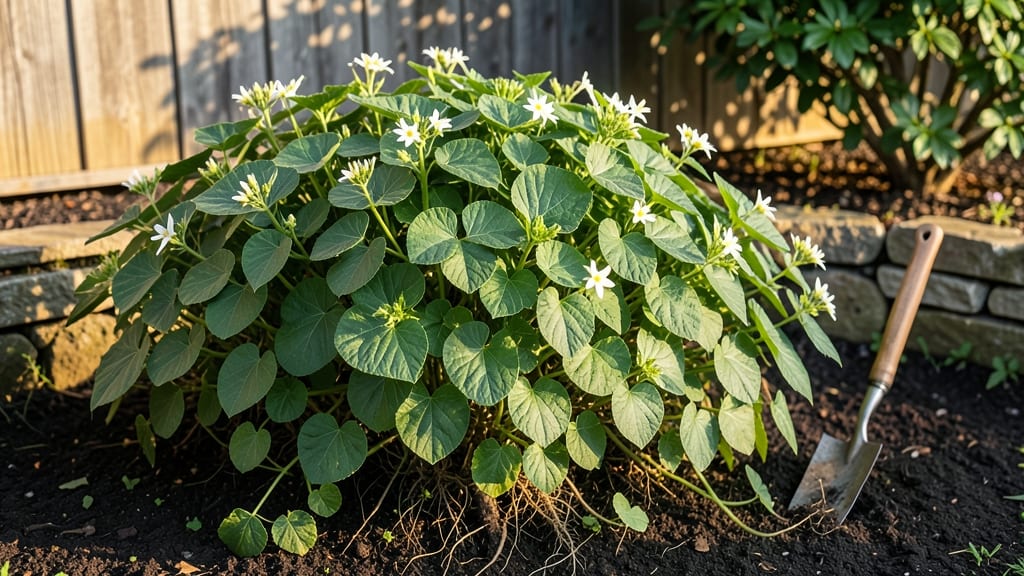
A companion planting map transforms your garden from a chaotic mess of trial and error into a highly efficient, pest-repelling, and visually stunning ecosystem. I spent years watching my tomatoes struggle until I mapped out their perfect neighbors—basil, marigolds, and onions—and suddenly, my harvests doubled while aphids vanished.
The science behind these pairings isn’t just folklore; it’s about smart spacing, shared nutrients, and natural pest control that works better than chemicals. Creating your own map starts with a simple sketch of your garden beds, then layering in plants that support each other’s growth.
Carrots thrive next to onions (they deter pests), while beans fix nitrogen in the soil for heavy feeders like corn. You’ll save space, reduce watering needs, and create a garden that looks like it belongs in a botanical journal—not just your backyard. The best part?
You can tweak it yearly based on what worked (or didn’t). By the end, you’ll have a customized layout that maximizes every square foot, keeps your plants healthier, and even attracts pollinators like bees and butterflies.
No more guessing which plants to group together—just science-backed pairings that make gardening feel like solving a puzzle. Ready to design your first map?
The beauty of this system is its flexibility—whether you’re working with a 4x8-foot raised bed or a sprawling backyard, the principles stay the same. Start with a basic template of common pairings (like the classic "Three Sisters" of corn, beans, and squash), then adjust for your climate.
Coastal gardens might prioritize drought-resistant pairings, while humid zones could focus on fungal-resistant combos. The key is observing what thrives in your space and refining your map over time. What sets apart a good companion planting map from a great one? Personalization.
Track which pairings boost your yields, which repel pests most effectively, and which combinations simply look stunning. Over time, your map becomes a living document of your garden’s success story—one that evolves with your green thumb. Let’s get mapping!
📚 In This Guide
- What you need
- Instructions
- Tips and common mistakes
- Wrapping up and next steps
What you need
- ● Graph paper or large sketchpad – At least 11" x 17" (or larger) for detailed planning (1-2 sheets per garden bed).
- ● Ruler or measuring tape – For precise spacing (12" or 36" increments are ideal).
- ● Pencils (2B or softer) + erasers – Sketching and correcting mistakes (2-3 pencils recommended).
- ● Colored markers or fine-tip pens – 8+ colors to differentiate plant families (e.g., blues for brassicas, greens for herbs).
- ● Companion planting guidebook or printed reference sheet – A must-have for science-backed pairings (e.g., University of Minnesota Extension’s guide).
- ● Stapler or binder clips – To secure loose papers or maps for outdoor use.
- ● Spray bottle with water – For smudging pencil marks if transferring to permanent media.
- ● Digital tablet + stylus – For a mess-free, editable version (e.g., Procreate or iPad + Apple Pencil).
- ● Plant labels or sticky notes – To annotate varieties (e.g., "Tomato ‘Sungold’ + Basil").
- ● Clear plastic sleeves or laminator – Protect your map from rain or wear (great for outdoor gardens!).
- ● Compass or GPS app – For orienting your map to true north (helpful for large gardens).
- ● Printed companion planting chart – As a quick-reference overlay for your map.
Instructions: designing your own science-backed companion planting layout
Here's how to translate research into a practical garden plan that boosts yields and deters pests.
Group Plants by Family and Growth Habits
Begin by organizing your garden into four distinct zones based on plant families and growth patterns. The Brassicaceae family (like cabbage, broccoli, and kale) should never share space with other members of their family, as they attract similar pests and compete for nutrients. Instead, pair them with alliums (onions, garlic, chives) which naturally repel cabbage moths and aphids. Tall plants like sunflowers or corn should occupy the northern edge of your plot to avoid shading shorter varieties.
I always sketch a rough layout first, using graph paper where each square represents a 12-inch section of garden bed. This visual helps me see potential shading issues before planting. Place leguminous plants (beans, peas, clover) near nitrogen-hungry crops like tomatoes or peppers—they'll fix nitrogen in the soil as they grow, creating a self-fertilizing system.
Map Pest-Repelling Pairings Based on Research
Use this proven matrix of companion relationships to guide your planting. Marigolds planted near tomatoes deter nematodes and whiteflies, while basil beside peppers enhances flavor and deters thrips. The classic trio of tomatoes, basil, and onions creates a self-sustaining microclimate—onions repel pests, basil improves tomato flavor, and tomatoes provide shade for the basil's roots. I mark these pairings on my sketch with colored pencils for quick reference during planting.
For vegetable beds, interplant carrots with leeks—the leeks' strong scent confuses carrot flies, reducing damage by up to 70%. Similarly, radishes planted among squash deter squash bugs. Avoid planting potatoes with tomatoes or eggplants, as they share diseases like blight. I keep a small reference card with these pairings in my gardening apron to avoid mistakes in the heat of planting season.
Plan for Sequential Planting and Succession
Design your layout to accommodate succession planting by leaving gaps where early crops like lettuce or radishes can be harvested, making room for later plantings like beans or peas. For example, after harvesting early bush beans, I follow with carrots—the beans' nitrogen enrichment benefits the carrots, while the carrots' deep roots aerate the soil for future plantings. This creates a 4-season productive cycle in a single bed.
Include trap crops like nasturtiums near brassicas to lure aphids away from your main crops. The nasturtiums' vibrant flowers attract pests, while their peppery leaves deter others. I dedicate a 1-foot border around my main garden beds to these sacrificial plants. For fruit trees, interplant clover or comfrey under the drip line—their deep roots prevent erosion, and their growth suppresses weeds while enriching the soil.
Incorporate Structural and Aromatic Plants
Add structural plants like sunflowers or tall beans to create vertical layers that improve air circulation and reduce humidity near the soil. This prevents fungal diseases like powdery mildew. I plant sunflowers along the north edge of my beds—their 6-foot height provides shade for heat-sensitive crops while their roots break up compacted soil. For aromatic plants, dill and fennel attract beneficial insects like hoverflies, which prey on aphids and other soft-bodied pests.
Place lavender or rosemary near the garden's perimeter—their strong fragrances deter rabbits and deer. I also weave in comfrey along fence lines; its deep roots act as a living mulch, suppressing weeds while its leaves make excellent compost tea. For herb gardens, I group thyme, oregano, and sage together—they thrive in similar conditions and their combined scents create a natural pest barrier.
Test and Refine Your Layout Annually
After each growing season, evaluate what worked and what didn't. I keep a simple notebook with sketches of each bed, noting which pairings thrived and which struggled. For example, I discovered that cucumbers and radishes compete aggressively for space—radishes mature quickly but cucumbers need room to vine. Now I plant radishes in their own dedicated strip that gets harvested before cucumbers need the space. Adjust your layout based on these observations, keeping successful pairings and replacing problematic ones.
Rotate families annually to prevent soil-borne diseases from building up. For instance, if tomatoes struggled with blight last year, I'll move them to a different bed this season and plant beans or peas in their former space. The beans will replenish nitrogen, setting up the next year's tomatoes for success. This 3-year rotation keeps my soil healthy and my yields consistent.
Tips & tricks for perfect companion planting layouts
These practical strategies will help you create a thriving garden ecosystem that maximizes yields while minimizing pests and diseases.
Visual Planning is Key: Before breaking ground, sketch your garden layout using graph paper where each square represents a 12-inch section of bed. This scale helps you visualize spacing requirements and potential shading issues before planting. I've found that color-coding different plant families makes it easier to spot problematic pairings at a glance. For example, mark all Brassicaceae family members in one color and all alliums in another to quickly verify compatible pairings during your design phase.
Layer Your Plantings Vertically: Incorporate structural plants like sunflowers or tall beans to create vertical layers that improve air circulation and reduce humidity near the soil surface. This simple technique prevents fungal diseases like powdery mildew by allowing better airflow around your crops. Position sunflowers along the north edge of your beds—their 6-foot height provides natural shade for heat-sensitive plants while their extensive root systems break up compacted soil, improving overall soil structure.
Create Dedicated Pest Barriers: Establish a 1-foot border around your main garden beds using trap crops like nasturtiums. These sacrificial plants lure aphids and other pests away from your main crops while their peppery leaves act as a natural deterrent. For fruit trees, interplant clover or comfrey under the drip line—their deep roots prevent erosion and suppress weeds, while their growth creates a living mulch that enriches the soil with organic matter.
Document Your Layout Annually: Maintain a simple notebook with sketches of each bed, noting which pairings thrived and which struggled. This record becomes invaluable for refining your layout each season. For instance, I discovered through documentation that cucumbers and radishes compete aggressively for space—now I dedicate separate strips for each crop to prevent this conflict. The annual review process helps you identify successful combinations to preserve and problematic pairings to avoid.
Pro Tips for Companion Planting Map
- These practical strategies will help you create a thriving garden ecosystem that maximizes yields while minimizing pests and diseases.
- Visual Planning is Key: Before breaking ground, sketch your garden layout using graph paper where each square represents a 12-inch section of bed.
- Layer Your Plantings Vertically: Incorporate structural plants like sunflowers or tall beans to create vertical layers that improve air circulation and reduce humidity near the soil surface.
Frequently asked questions
Got questions about maximizing your garden’s potential with companion planting? You’re not alone! Here are answers to the most common queries to help you grow like a pro.
What’s the easiest way to use a companion planting map?
A companion planting map is your cheat sheet for success! Start by grouping plants based on their needs—like pairing tomatoes with basil or carrots with onions. Use a printable map or a garden planning app to visualize layouts. Pro tip: Label rows or sections to track pairings as you plant.
When is the best time to plant companion crops together?
Timing depends on your climate, but most companion plants thrive when sown or transplanted at the same time. For example, beans (nitrogen-fixers) and corn (heavy feeders) should start together in spring. Check your frost dates and plant after the last frost for warm-season pairs like peppers and marigolds.
What if I don’t have space for all the “perfect” pairings?
No stress! Even small gardens can benefit. Prioritize high-value pairings like garlic with tomatoes (pest control) or radishes with lettuce (space-saving). Use container gardening for compact combos like basil + tomatoes in pots. Every little help counts!
How do I troubleshoot when companion plants aren’t working?
If pests or diseases strike, reassess spacing or pairings. For example, cabbage and tomatoes can compete for nutrients—try separating them. Check for overcrowding or soil depletion (add compost!). If marigolds aren’t deterring pests, plant more or rotate crops next season.
Can I use companion planting for herbs and flowers too?
Herbs like thyme or oregano repel pests near roses, while nasturtiums distract aphids from veggies. Flowers like borage attract pollinators and improve tomato yields. Mix edible flowers (e.g., calendula) into your map for dual benefits.
Wrapping up and next steps
Ready to transform your garden into a thriving, harmonious ecosystem? A companion planting map isn’t just a tool—it’s your secret weapon for healthier plants, fewer pests, and bountiful harvests! 🌱 By pairing plants wisely, you’re not just gardening; you’re creating a symbiotic dance that nature itself celebrates.
Your next step? Grab that map, sketch out your garden layout, and start experimenting! Whether you’re a seasoned green thumb or a curious beginner, every small change can make a big difference. Happy planting—and may your garden flourish! 🌿✨