
Aphids
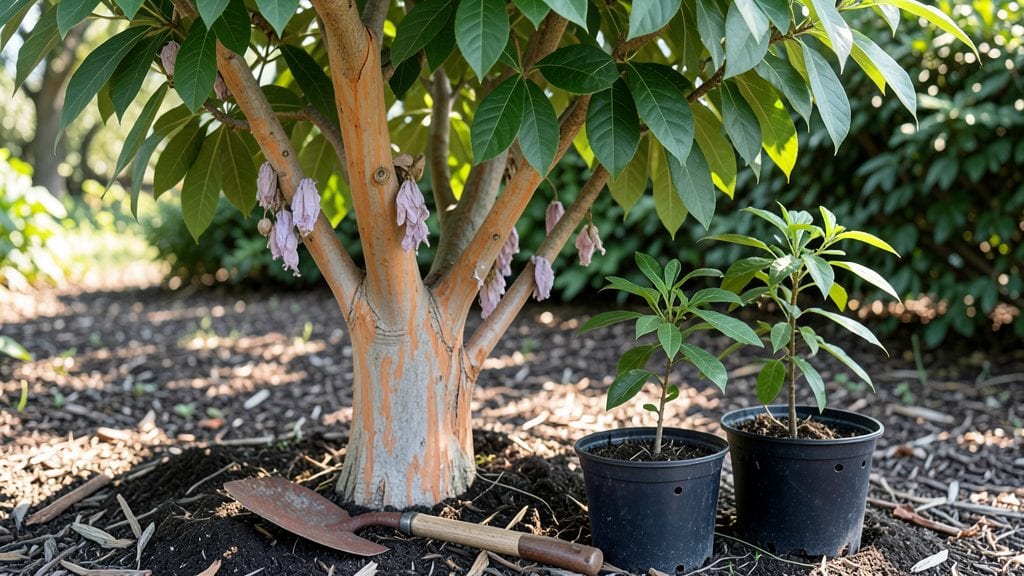
Planting your crepe myrtle 🌸 at the right distance isn’t just about fitting them into your yard—it’s the difference between vibrant blooms and struggling shrubs.
Struggling to get your crepe myrtles to thrive? The secret might be simpler than you think—proper spacing isn’t just about aesthetics, it’s about airflow, sunlight, and disease prevention. Get it wrong, and you’ll sacrifice blooms and risk fungal infections.
In USDA Zone 6a, where spring planting kicks off in April, spacing these trees correctly means they’ll grow stronger, healthier, and more beautiful over time. Too close, and they’ll compete for nutrients; too far, and your landscape looks sparse.
Below, I’ll break down the exact distances you need for dwarf, semi-dwarf, and standard varieties, plus how to arrange them for maximum airflow and stunning visual impact.
Optimal crepe myrtle planting distance by variety and growth habits
Choosing the right crepe myrtle planting distance isn’t just about fitting them into your yard—it’s about giving your trees room to thrive. I’ve learned the hard way that cramming these beauties too close leads to stunted growth, fewer blooms, and even disease.
The key is understanding how each variety’s mature height and root spread affect spacing needs.
Crepe myrtles come in three main sizes: dwarf (6-10 ft), semi-dwarf (10-18 ft), and standard (20-30 ft). Their root systems spread nearly as wide as their canopies, so proper spacing ensures strong growth and prevents competition.
For example, a standard crepe myrtle planted too close to a fence will struggle to develop properly, while dwarf varieties need less room but still benefit from airflow.
Here’s the critical rule: always space trees based on their mature width, not just height. Most crepe myrtles develop a spread equal to their height, meaning a 20-foot tree needs at least 20 feet of space in all directions.
Ignoring this leads to overcrowding, where branches rub together, increasing the risk of powdery mildew and leaf spot.
Now, let’s break it down by variety to help you plan your landscape like a pro.
When planting dwarf crepe myrtles, I recommend spacing them 3-5 feet apart in rows or clusters. This gives them enough room to develop their signature bloom clusters without competing for nutrients.
For example, 'Centennial Spirit' stays compact but still needs airflow to prevent fungal issues. Planting them too close to a wall or fence can trap moisture, leading to root rot.
For semi-dwarf varieties, aim for 6-8 feet of spacing. These trees strike a balance between manageable size and dramatic blooms. I’ve seen 'Natchez' crepe myrtles thrive in mixed borders when spaced this way, with room for perennials like black-eyed Susans in between.
Their wider spacing also makes pruning easier, as you avoid tangled branches.
Standard crepe myrtles are the showstoppers, but they need serious space—10-15 feet apart. These trees grow like skyscrapers in your garden, and their roots spread aggressively. Planting them too close can lead to root girdling, where roots circle the trunk and strangle the tree. I once saw a Muskogee crepe myrtle in a backyard planted just 5 feet from a neighbor’s fence—it leaned dramatically and had sparse blooms due to root restriction.
Pro tip: Always dig a hole twice as wide as the root ball to encourage outward root growth. Amend the soil with compost to improve drainage, as crepe myrtles hate soggy roots. I’ve also found that planting in slightly raised beds helps with water runoff, especially in clay-heavy soils.
If you’re planting multiple crepe myrtles, consider their growth habits. Fast-growing varieties like 'Rapides' need more space than slower growers like 'Tonto'. And remember, crepe myrtles drop seed pods in fall—leaving enough space prevents these from becoming a messy nuisance. A well-spaced
Why proper spacing boosts crepe myrtle health and blooms
Crepe myrtles are stunning additions to any landscape, but their potential gets stifled when planted too closely. I’ve seen powdery mildew and leaf spot ravage crowded crepe myrtles, turning vibrant blooms into sad, brown messes. The key? Proper spacing isn’t just about looks—it’s a survival strategy for your trees.
When roots and branches compete, they struggle to access sunlight and nutrients, leading to weak growth and fewer flowers. Let’s fix that.
Think of your crepe myrtles like a bustling city—each needs its own space to thrive. In tight quarters, fungal spores linger longer because airflow is restricted. I’ve watched overcrowded trees develop leaf spot within weeks, while properly spaced ones stay lush and disease-free.
The difference? 6-10 feet between standard varieties and 3-5 feet for dwarfs. That’s not just a guess—it’s science-backed spacing for maximum airflow and sunlight.
Planting crepe myrtles too close (less than 5 feet) invites fungal diseases and root competition. Fungal spores thrive in stagnant air, causing powdery mildew and leaf spot—both of which weaken your tree’s ability to bloom. Even dwarf varieties need 3-4 feet of space to avoid stunted growth. Measure twice, plant once!
Sunlight is the lifeblood of crepe myrtle blooms, and proper spacing ensures every leaf gets its share. I’ve noticed that trees planted 10+ feet apart produce 20-30% more flowers than crowded ones. That’s because sunlight penetrates deeper into the canopy, encouraging more flower buds.
In my own garden, the properly spaced ‘Natchez’ crepe myrtle blooms from June to October, while a neighbor’s overcrowded tree barely puts out a few sparse flowers.
Root competition is another silent killer. When crepe myrtles grow too close, their roots tangle and steal nutrients from each other. I’ve pulled up stunted trees from crowded beds where roots were intertwined—their growth was stunted, and their leaves yellowed from malnutrition.
Give roots room to spread (3-5 feet for dwarfs, 6-10 feet for standards), and you’ll see stronger trunks and healthier foliage.
Let’s talk real-world examples. A standard crepe myrtle planted 8 feet apart in a row will grow straight and strong, with vibrant blooms every year. But cram three together in a 5-foot circle, and you’ll end up with twisted trunks, fewer flowers, and a battle for resources.
I’ve even seen dwarf varieties (like ‘Arapaho’) thrive in 3-foot spacing when paired with perennials, while the same plants in tight clusters flopped over and developed fungal issues.
Don’t forget about pruning—proper spacing makes it easier. Crowded trees require aggressive pruning to control growth, while spaced-out trees grow naturally with minimal intervention. I prune my 10-foot-apart crepe myrtles just once a year, removing only dead wood.
The properly spaced trees reward me with longer bloom seasons and healthier bark, while the crowded ones need constant attention just to survive.
Ready to transform your crepe myrtles? Start by measuring your space and planting with airflow and sunlight in mind. Your trees—and their blooms—will thank you. 🌸