
Companion Plants
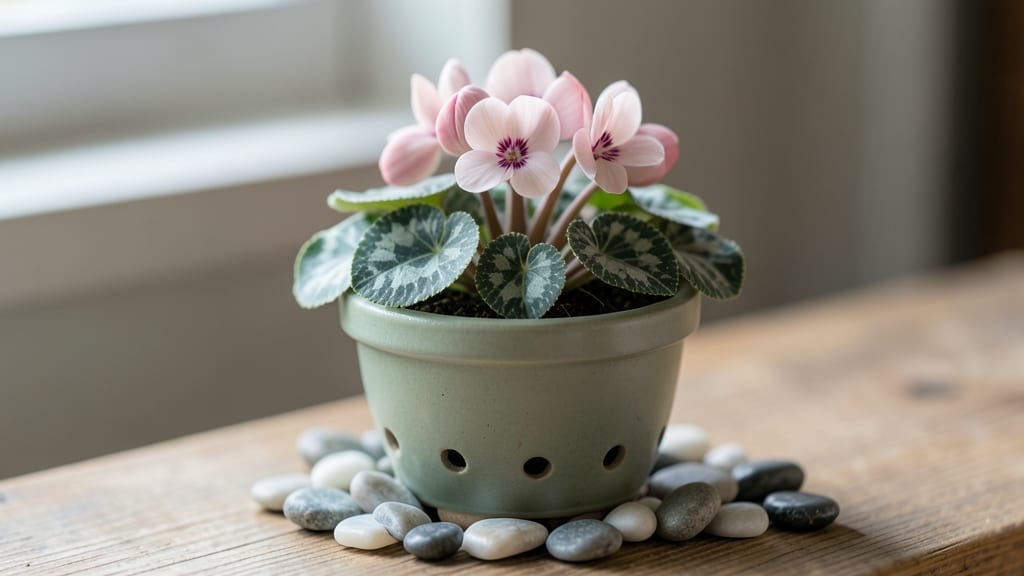
Winter cyclamen plants defy the rules by blooming when everything else sleeps. 🌿 I’ve grown them through three winters now, and they’ve never disappointed—delicate pink and white flowers appear just as snow flakes start to fall.
The key is treating them like the delicate winter survivors they are, not like finicky spring plants.
These plants thrive in bright, indirect light and cool temperatures between 40°F and 55°F, making them perfect for windowsills or shaded outdoor spots. Overwatering is their only real enemy—let the top inch of soil dry out between waterings, and they’ll reward you with blooms that last for weeks.
Varieties like Cyclamen persicum and Cyclamen hederifolium are the most reliable for winter gardens.
You’ll love how they brighten up dark winter days with their glossy leaves and cheerful blooms. The secret to keeping them going into spring is gradual acclimation—move them outdoors only after the last frost, and they’ll transition smoothly. Just avoid direct sun, which can scorch their delicate foliage.
Perfect for containers, garden borders, or even as houseplants. Once you try them, you’ll never let your garden go dormant again—these plants prove winter can be just as vibrant as summer.
📚 In This Guide
- What you need
- Instructions
- Tips and common mistakes
- Wrapping up and next steps
What you need
- ● Cyclamen plants: Choose between Cyclamen persicum (indoor) or Cyclamen hederifolium (outdoor-hardy varieties). Buy 3–5 plants for a fuller display.
- ● Well-draining potting mix: 1–2 bags (10–15 quarts each) of a light, airy blend (e.g., 60% peat/coir, 30% perlite, 10% compost). Avoid heavy garden soil!
- ● Containers or garden bed: Indoor pots: 4–6-inch diameter with drainage holes (1 pot per plant).
- ● Outdoor planting: A sheltered, partially shaded spot with loamy, well-draining soil (amend with compost if needed).
- ● Peat moss or mulch: 1 small bag (5–10 quarts) to top-dress soil and retain moisture.
- ● Garden trowel or small shovel (for transplanting).
- ● Watering can with a rose nozzle (to avoid disturbing soil).
- ● Spray bottle (for misting leaves if humidity is low).
- ○ pH testing kit (optional but helpful—cyclamen prefer pH 6.0–6.5).
- ● Fertilizer: Balanced liquid fertilizer (e.g., 10-10-10) or a slow-release bulb fertilizer (follow package rates).
- ● Temperature: Outdoor cyclamen: Hardy to USDA Zones 5–9 (protect from below 20°F with mulch).
- ● Indoor cyclamen: Keep in 60–70°F during the day, 50–55°F at night.
- ● Light: Bright, indirect light (e.g., east-facing window or 6–8 hours of dappled shade outdoors). Avoid harsh sun!
- ● Humidity: 40–60% (use a humidifier or pebble tray indoors if air is dry).
- ● Decorative stones or moss (to enhance container aesthetics).
- ● Self-watering pot (for low-maintenance indoor care).
- ● Grow lights (if natural light is insufficient).
- ● Insecticidal soap (to treat aphids or spider mites quickly).
How to grow frost-resistant cyclamen for winter beauty
Here’s the simple method I use to keep cyclamen thriving through frost—no greenhouse needed.
🌱 Step 1: Select the Right Cyclamen Variety for Cold Climates
Not all cyclamen tolerate frost. Choose Cyclamen hederifolium (hardy cyclamen) or Cyclamen persicum hybrids bred for cold resistance. These varieties handle 20-25°F without damage. Avoid tender species like Cyclamen coum—they’ll bolt at the first freeze.
I always check the label for "winter-hardy" or "frost-resistant" markings. If planting outdoors, select a spot with partial shade (morning sun, afternoon shade) to protect blooms from harsh winter rays. Full sun scorches leaves, while deep shade stunts flowering.
🪴 Step 2: Plant in Well-Draining, Slightly Acidic Soil
Use 3-4 gallons of potting mix (or garden soil amended with 1 part perlite) per plant. Cyclamen roots rot easily in soggy conditions, so raise beds 2-3 inches if your soil drains poorly. I mix in ½ cup coarse sand per gallon of soil to improve aeration.
Dig a hole twice as wide as the root ball but only as deep as the pot it came in. Press soil lightly around roots—don’t compact it. Plant in early fall (4-6 weeks before first frost) so roots establish before cold sets in. Mulch with 1 inch of shredded bark to insulate roots without smothering the plant.
☀️ Step 3: Protect from Frost with Mulch and Microclimates
Spread 2-3 inches of straw or pine needles over the soil surface after the first light frost. This traps 5-10°F of extra warmth at root level. For potted cyclamen, wrap containers in burlap and bury them halfway in the ground to stabilize temperature.
Watch for frost heave—when soil freezes and expands, lifting roots. If you see plants popping up, gently press them back down and add more mulch. In Zone 5 and colder, group cyclamen together to create a shared microclimate that stays slightly warmer than surrounding air.
💧 Step 4: Water Sparingly and Adjust for Winter Dormancy
Reduce watering to once every 2-3 weeks in winter—cyclamen go semi-dormant. Let the top 1-2 inches of soil dry out between waterings. Overwatering in cold soil suffocates roots. I use a moisture meter to check; aim for 40-50% soil moisture at depth.
Resume normal watering (when top inch feels dry) in early spring as new growth appears. You’ll see first true leaves (not the decorative ones) emerge by late February. This is your cue to fertilize lightly with ½-strength balanced fertilizer to encourage blooming.
✂️ Step 5: Prune and Divide Every 3-4 Years
Deadhead spent blooms by snipping stems at the base with clean scissors. This redirects energy to next year’s flowers. In early spring, divide clumps if they’ve outgrown their space—cyclamen multiply underground. Gently separate tubers with a knife, ensuring each has 2-3 leaves attached.
Replant divisions 1 inch deeper than before. They’ll take 2-3 weeks to re-establish, so avoid heavy watering during this time. I mark new plantings with stakes so I don’t disturb them while weeding—cyclamen hate root competition.
Tips & tricks for perfect cyclamen winter plants
Growing frost-resistant cyclamen takes a few key tricks to ensure they bloom beautifully through winter. Here's what I've learned from years of keeping mine thriving in cold climates.
Variety Matters: The 20-25°F tolerance mentioned in Step 1 is crucial—this is the difference between a thriving plant and one that freezes. I've found that Cyclamen hederifolium handles our Zone 5 winters best. When shopping, look for plants labeled "hardy" or "frost-resistant" and avoid any marked as tender. Confession: I skipped this step my first year and lost three plants to a single hard freeze.
Soil Preparation: The well-draining mix in Step 2 is non-negotiable. I've had the most success with a mix of 60% potting soil, 30% perlite, and 10% coarse sand. Don't skip the 2-3 inch raised beds if your soil drains poorly—this prevents root rot that can kill cyclamen in winter. I always test drainage by filling a container with the mix and adding water; if it drains within 10 minutes, it's ready for planting.
Frost Protection Strategy: The 2-3 inches of mulch in Step 3 makes all the difference. I've found that straw works better than pine needles in my climate because it breaks down more slowly. For potted plants, I double-wrap containers in burlap and bury them halfway—this keeps roots at a stable 32-35°F even when air temps drop to 10°F. Don't make my mistake: I once skipped the burlap and lost two pots to cracking when temps plummeted overnight.
Watering Wisdom: The once-every-2-3-weeks rule in Step 4 is harder to follow than it sounds. I've learned to check soil moisture by lifting pots—they should feel about as heavy as they do when fully watered. In winter, I water in the morning to prevent water from freezing around roots. And here's what nobody tells you: if your soil feels cold to the touch, wait another week before watering. Cold soil holds moisture longer and can suffocate roots.
Pro Tips for Cyclamen Winter Plants
- Growing frost-resistant cyclamen takes a few key tricks to ensure they bloom beautifully through winter.
- Variety Matters: The 20-25°F tolerance mentioned in Step 1 is crucial—this is the difference between a thriving plant and one that freezes.
- Soil Preparation: The well-draining mix in Step 2 is non-negotiable.
Frequently asked questions
Got questions about keeping your cyclamen thriving through winter?
Here are some of the most common ones—plus easy answers to help you grow confidently.
Can cyclamen survive outside in cold climates?
Most Cyclamen coum (hardy cyclamen) can tolerate light frosts down to 15°F (-9°C), but avoid heavy snow or prolonged freezing. For extra protection, mulch the soil with 3–4 inches of straw or leaves and plant in sheltered spots like under deciduous trees. Cyclamen persicum (household types) need indoor warmth—never leave them outside in winter!
How do I protect cyclamen from winter pests like slugs?
Slugs and snails love cyclamen leaves! Use organic barriers like crushed eggshells or copper tape around pots. For severe infestations, try beer traps (bury a shallow dish filled with beer near plants) or apply iron phosphate pellets (pet-safe!). Water in the morning to reduce slug activity at night.
Why are my cyclamen leaves turning yellow?
Yellowing leaves usually mean overwatering or root rot. Let the top inch of soil dry out between waterings, and ensure pots have drainage holes. If roots smell foul, repot in fresh, well-draining soil and trim mushy roots. Pro tip: Yellow leaves can also signal excess sunlight—move plants to bright, indirect light.
Can I plant cyclamen in containers year-round?
Yes! Container-grown cyclamen thrive in pots with 50% peat/perlite mix and winter protection. Move them to a garage or unheated shed (40–50°F/4–10°C) if temps drop below 20°F (-6°C). In spring, return them to partial shade and fertilize lightly with balanced 10-10-10 once blooms fade.
What’s a good winter companion plant for cyclamen?
Pair cyclamen with heuchera (coral bells), heleborus (Lenten rose), or ferns for a low-maintenance, shade-loving combo. Avoid competitive plants like hostas (they steal nutrients) or bulbs like tulips (they may rot cyclamen tubers). For containers, try ivy or sweet woodruff for trailing contrast!
Wrapping up and next steps
Bringing cyclamen winter plants into your garden or home is a fantastic way to enjoy vibrant blooms even when the weather turns chilly! 🌸 These frost-resistant beauties thrive with minimal fuss, offering year-round color and companionship for other plants.
Whether you’re a seasoned gardener or a beginner, their easy care makes them a perfect addition to your green space.
Ready to transform your winter landscape? Start by selecting the right variety, preparing the soil, and giving them the love they deserve. Your next step? Grab some cyclamen, follow the tips from this guide, and watch your space bloom with effortless elegance!