
Plants
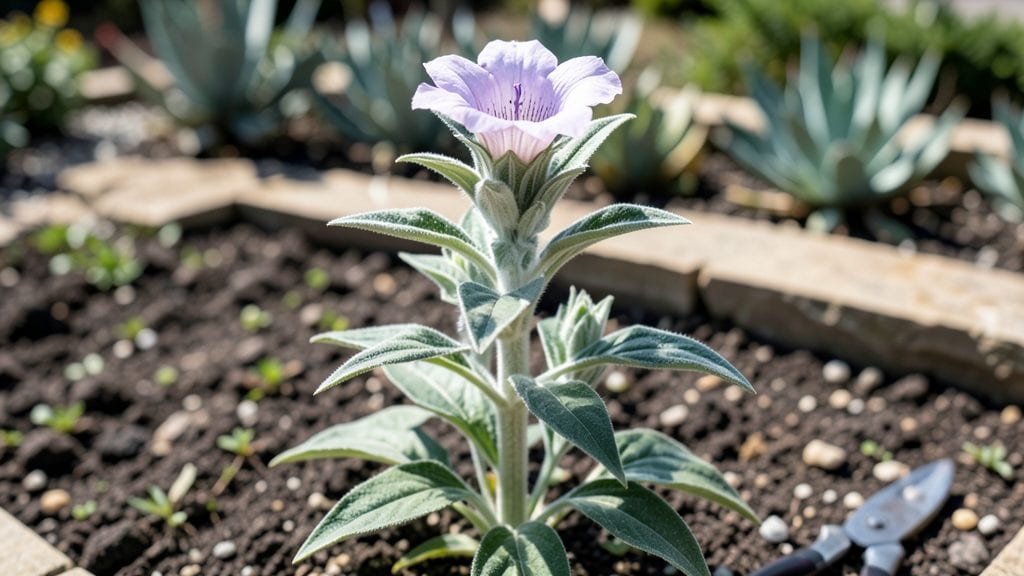
Using DAP for plants (diammonium phosphate) delivers fast-acting phosphorus and nitrogen to supercharge root growth, flowering, and fruit production—but requires precise application to prevent scorching tender plants. Start with 1-2 tablespoons per gallon for seedlings, halve the dose for mature plants, and always check soil pH before applying.
This high-phosphorus fertilizer works by unlocking energy pathways in plants, which is why it’s especially effective during critical growth stages like bud formation. 🌱 The 18-46-0 NPK ratio means nearly half the formula is phosphorus, making it ideal for flowering plants like tomatoes or roses, but its nitrogen content also supports early leafy growth.
Unlike slow-release options, DAP dissolves quickly, so timing matters—apply it when roots are actively growing or just before flowering begins.
The key to success lies in soil preparation: phosphorus availability plummets in acidic soils (below pH 6.0), while alkaline conditions (above pH 7.5) can lock it out entirely.
I always test my soil first and adjust the mix—sometimes even a 1:4 dilution is safer for sensitive plants like ferns or orchids. Overdoing it? You’ll see crispy leaf edges or stunted stems within days.
💡 In This Article
- How DAP Fertilizer Works in Plant Growth Cycles
- Step-by-Step Guide to Applying DAP Safely
How DAP fertilizer works in plant growth cycles
Diammonium phosphate (DAP) packs a powerful 18-46-0 NPK punch, meaning it delivers 18% nitrogen, 46% phosphorus, and virtually no potassium.
This ratio makes it a growth accelerator by fueling two critical plant processes: nitrogen supports leafy green growth through protein synthesis, while phosphorus acts as the energy currency for root development and flowering.
The science here is fascinating—phosphorus helps plants produce ATP (adenosine triphosphate), the molecule that powers cellular functions, including the transfer of energy needed to convert sugars into starches during photosynthesis.
Here's what happens at the cellular level: phosphorus in DAP gets absorbed through root hairs and converted into phosphate ions, which plants use to build DNA, RNA, and cell membranes.
This is why you'll see rapid root expansion when applying DAP to seedlings—it's not just water uptake, but actual cellular multiplication. The nitrogen component works similarly, promoting chlorophyll production and leaf expansion.
Together, they create a growth synergy that's particularly noticeable in vegetative stages (first 4-6 weeks) and flowering phases of plants like tomatoes or peppers.
The fast-release nature of DAP sets it apart from slow-release fertilizers like osmocote. While slow-release options provide nutrients over 3-6 months, DAP dissolves completely within 24-48 hours when mixed with water.
This makes it ideal for targeted applications during critical growth windows—like when you notice buds forming on your rose bushes or when seedlings are developing their first true leaves. The downside? This rapid availability means you must monitor soil moisture closely; dry conditions can cause salt buildup that burns roots.
Soil pH plays a crucial role in unlocking DAP's potential. Phosphorus becomes unavailable in acidic soils (below pH 6.0) because it binds with iron and aluminum, forming insoluble compounds. In alkaline soils (above pH 7.5), phosphorus reacts with calcium to create similar barriers.
That's why a simple soil test before application can save you from wasted fertilizer. For example, in my slightly acidic garden soil (pH 5.8), I've found that adding 1 tablespoon of lime per square foot 2-3 weeks before applying DAP significantly improves phosphorus uptake.
What most gardeners don't realize is how DAP's chemical structure affects plant physiology beyond basic nutrition.
The ammonium ions (NH₄⁺) in DAP act as a mild acidifier, which can temporarily lower soil pH in the root zone—beneficial for plants that prefer slightly acidic conditions like blueberries (pH 4.5-5.5).
However, this effect is short-lived, making DAP a temporary solution rather than a long-term soil amendment. The key is strategic application: use it when plants are actively growing and when you've confirmed the soil pH is in the 6.0-7.0 range for optimal nutrient availability.
For visual learners, imagine this: when you apply DAP to a tomato plant during its flowering stage, you're essentially giving it a high-octane fuel injection. Within 3-5 days, you'll notice darker green leaves (nitrogen's work) and thicker stems (phosphorus strengthening cell walls).
The flowers will develop more robustly, and if pollinated, the fruits will set faster. This is why competitive growers swear by DAP—it's not just about bigger plants, but about faster, more efficient growth cycles that can shave weeks off your growing season.