
Planting
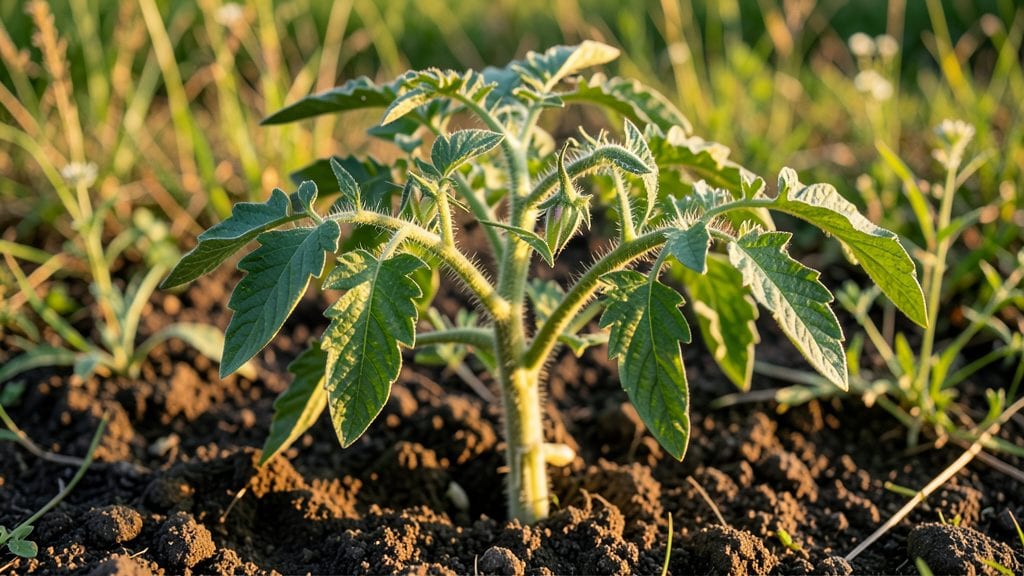
Those fuzzy tomato plant hairs aren’t just decoration—they’re your plant’s secret weapon against pests and sun damage. 🌱 I used to think they were just a weird quirk, but now I check them every week to make sure they’re doing their job.
Healthy hairs mean fewer spider mites, less sunburn, and stronger plants overall.
The hairs, called trichomes, act like tiny shields. When they’re thick and vibrant, your plant is thriving. But if they look sparse or damaged, it’s time to investigate—pests like spider mites love to hide there.
A quick spray with water or neem oil can restore them, and your plant will bounce back faster than you’d expect.
You’ll notice the difference within days: leaves stay glossy, new growth appears faster, and pests stay away. The key is gentle care—no harsh chemicals that strip away those protective hairs. Think of it as giving your tomato plants a natural armor upgrade.
Works for all tomato varieties, from cherry to beefsteak, and keeps them healthy all season long. Here’s how to keep those hairs working for you.
The Science Behind Plant Hair Growth
Those tiny, fuzzy hairs on your tomato plants—scientifically called trichomes—aren’t just a quirky plant quirk. They’re a survival mechanism, and their development (or overgrowth) is triggered by specific environmental and biological factors.
Understanding why these hairs form—or why they might become a problem—helps you take targeted action to keep your plants thriving. Let’s break down the key causes behind their growth, from natural defense strategies to stress responses.
Trichomes are your tomato plant’s first line of defense. These tiny, hair-like structures act like a physical barrier against insects, mites, and even larger herbivores like deer or rabbits. Here’s how it works:
- Mechanical deterrence: The rough, fuzzy texture makes it difficult for soft-bodied pests (like aphids or spider mites) to land, walk, or feed on the leaves. Think of it like walking on a carpet of tiny needles—uncomfortable and discouraging!
- Chemical secretions: Some trichomes produce sticky resins or toxic compounds that trap or repel pests. For example, glandular trichomes on tomato leaves secrete sesquiterpenes, which can paralyze or kill mites on contact.
- Evolutionary advantage: Plants in the Solanaceae family (tomatoes, peppers, eggplants) are particularly prone to trichome development because they’re frequent targets for pests. Over time, this trait has been selectively favored in nature.
Actionable insight: If your plants are suddenly developing dense hairs, it may be a sign they’re under mild pest pressure—even if you haven’t spotted any bugs yet. Regularly inspect the undersides of leaves (a hotspot for mites) to catch issues early.
Trichomes aren’t just for pest control—they also respond to environmental stressors like drought, temperature fluctuations, or poor soil conditions. Here’s how:
| Stressor | How It Triggers Hair Growth | What to Watch For |
|---|---|---|
| Drought or Water Stress | When roots struggle to absorb water, the plant prioritizes water retention by increasing trichome density. These hairs also reduce transpiration (water loss through leaves) by creating a microclimate of humid air around the leaf surface. | Leaves may appear dull or wrinkled alongside excessive hairiness. Soil will feel dry 1–2 inches below the surface. |
| Extreme Heat or Cold | Tomatoes are tender perennials that thrive in moderate climates. Sudden temperature swings (e.g., <10°F drops or >90°F heat) trigger trichome production as a protective response. Cold stress can also cause hairs to become stiffer or more brittle. | New growth may be stunted or hairs appear crispy (a sign of frost damage). Check for sunburnt patches on leaves. |
| Poor Soil or Nutrient Deficiencies | Lack of phosphorus or potassium can lead to abnormal trichome growth. These nutrients are critical for cell wall development; without them, the plant compensates by overproducing hairs as a survival tactic. | Yellowing leaves (especially older ones) or purple-tinged stems often accompany excessive hairiness. |
Pro tip: 💡 If your plants are hairier than usual, test your soil’s moisture and nutrient levels before assuming it’s a pest problem. A simple soil moisture meter or DIY pH test kit can reveal if stress is the culprit.
Sometimes, trichomes grow in response to existing pest activity, even if the pests themselves are already gone. Here’s how it happens:
- Salivation and feeding cues: When insects like aphids or spider mites pierce plant cells to feed, they release chemical signals (e.g., jasmonic acid) that trigger the plant’s defense mechanisms—including trichome production.
- Secondary infections: Damaged leaves are more susceptible to fungal or bacterial pathogens, which can further stress the plant and lead to excessive hair growth as a last-ditch effort to seal off damaged areas.
- Herbivore alarm pheromones: Some plants release volatile organic compounds (VOCs) when chewed by insects. These act like a SOS signal, prompting neighboring plants (and even the same plant’s new growth) to ramp up trichome production.
What to do: If you suspect pest damage is the cause, isolate affected plants and treat them with neem oil or insecticidal soap. Monitor for new pest activity for 1–2 weeks—hairy growth may persist even after pests are gone.
Understanding these triggers helps you diagnose the root cause of your tomato plant’s fuzzy texture. Whether it’s a natural defense, a stress response, or a pest-related reaction, knowing the “why” puts you in the driver’s seat to fix the problem—before it affects your harvest! 🍅
Quick Fixes for Fuzzy Foliage
When your tomato plants start sporting unsightly hairs—or worse, those hairs become a pest magnet—don’t panic! With the right approach, you can restore smooth, healthy growth and keep your garden thriving.
Below are targeted solutions for common causes of excessive hairiness, along with prevention tips to keep your plants happy long-term.
If your tomato plant’s leaves feel like a fuzzy blanket, the issue might be genetics, stress, or poor airflow. Too many hairs can trap moisture, inviting fungal diseases like early blight. Here’s how to fix it:
🔪 Prune Strategically
- Remove dense hair clusters with clean, sharp scissors or pruning shears.
- Focus on lower leaves (they’re more prone to disease) and any leaves touching the soil.
- Aim for 1–2 inches of space between leaves to improve airflow.
🌡️ Boost Plant Health
- Fertilize lightly with a balanced, organic fertilizer (like compost tea) to reduce stress.
- Water at the base (not overhead) to prevent fungal spores from clinging to hairs.
💡 Prevention Tip:
- Choose hairless varieties like ‘Celebrity’ or ‘Better Boy’ if you dislike fuzzy leaves.
- Space plants 18–24 inches apart to prevent overcrowding and hair buildup.
If those hairs are harboring aphids, spider mites, or whiteflies, you’ll need a two-pronged attack: remove the pests and reduce hair density.
🚿 Blast Them Away
- Spray with water (a strong stream from a hose) to dislodge pests from hairs.
- Use neem oil (1 tsp per quart of water) as a natural pesticide—spray early morning or evening to avoid harming bees.
🕷️ Introduce Beneficial Insects
- Ladybugs or lacewings love munching on soft-bodied pests. Release them near infested plants.
- Encourage predatory mites by planting dill, fennel, or marigolds nearby.
🔥 Burn or Bag Infested Leaves
- Remove heavily infested leaves and burn or seal them in a bag (do not compost).
- Disinfect pruners with rubbing alcohol between cuts to prevent spread.
💡 Prevention Tip:
- Inspect new plants before bringing them home—quarantine them for a week if possible.
- Sticky traps near plants can catch flying pests before they nest in the hairs.
If the hairs on stems or vines are making your tomato plant floppy or susceptible to disease, it’s time to reinforce its support.
🏗️ Provide Sturdy Support
- Install a cage or trellis immediately if your plant is top-heavy.
- Tie stems gently with soft plant ties (avoid wire, which can damage hairy stems).
🌱 Balance Fertilizer Use
- Too much nitrogen can make stems weak and hairy. Switch to a low-nitrogen, high-phosphorus fertilizer (like 5-10-10) to encourage root and stem strength.
- Avoid overwatering—hairy stems retain moisture, leading to rot.
💡 Prevention Tip:
- Prune suckers early (those little shoots between the stem and branches) to direct energy to strong growth.
- Mulch with straw to keep soil moisture even and reduce stress on stems.
Tomato plants grow more hairs when stressed by temperature swings, drought, or frost. Adjusting their environment can help.
🌞 Shield from Harsh Sun
- Use shade cloth (30–50%) if temps exceed 90°F (32°C)—hair growth spikes in heat stress.
- Water deeply in the morning to cool the plant and prevent wilting.
🧊 Protect from Frost
- Cover plants with frost blankets if night temps drop below 50°F (10°C).
- Move potted tomatoes indoors (or to a garage) if frost is forecasted.
💡 Prevention Tip:
- Choose heat-tolerant varieties like ‘Solar Fire’ or ‘Heatmaster’ for hot climates.
- Plant in late spring (after the last frost date) to avoid early-season cold stress.
Instead of fighting the hairs, harness their benefits:
- Hairs can deter some pests (like deer or rabbits)—just keep them from becoming a pest hotel.
- Leave a few hairs on upper leaves to protect against sun scald in hot climates.
With these fixes, your tomato plants will shed excess fuzz, fend off pests, and grow stronger—leading to juicier, healthier tomatoes all season long! 🍅✨
Frequently asked questions
Are tomato plant hairs harmful to humans?
No, tomato plant hairs (trichomes) are completely harmless to humans. They’re too small to cause irritation or allergic reactions, though they might feel slightly scratchy if you handle the leaves roughly. These tiny structures are actually beneficial—they protect your plants from pests and sun damage, not your skin!
Why do some tomato varieties have more hairs than others?
Hair density varies by tomato variety due to genetics. Some heirloom types (like 'Cherokee Purple') develop thick, fuzzy hairs as a natural defense mechanism, while modern hybrids (such as 'Celebrity') often have smoother leaves. The hairier varieties tend to be more resistant to pests but may require more airflow to prevent fungal issues.
Can I safely remove tomato plant hairs?
Yes, but only if they’re causing problems like trapping moisture or hiding pests. Use clean pruning shears to trim dense clusters, focusing on lower leaves. Avoid stripping all hairs—some act as natural sun protection. If hairs are a pest magnet, a gentle spray with water or neem oil can help restore balance without harming the plant.
Do tomato hairs affect fruit quality?
Not directly—they’re primarily on leaves and stems. However, excessive hairs can indicate stress (like drought or pest pressure), which might reduce fruit quality if left unchecked. Focus on keeping plants healthy: well-watered, properly fertilized, and pest-free. The hairs themselves won’t make your tomatoes taste worse, but underlying issues could.
How do I tell if my tomato plant’s hairs are from pests vs. natural growth?
Look for these clues: If hairs are accompanied by webbing (spider mites), sticky residue (aphids), or tiny moving dots (thrips), pests are likely the cause. Natural hairs appear evenly distributed and aren’t paired with other symptoms like yellowing leaves or stunted growth. Inspect leaf undersides first—they’re pest hotspots!