
Pruning
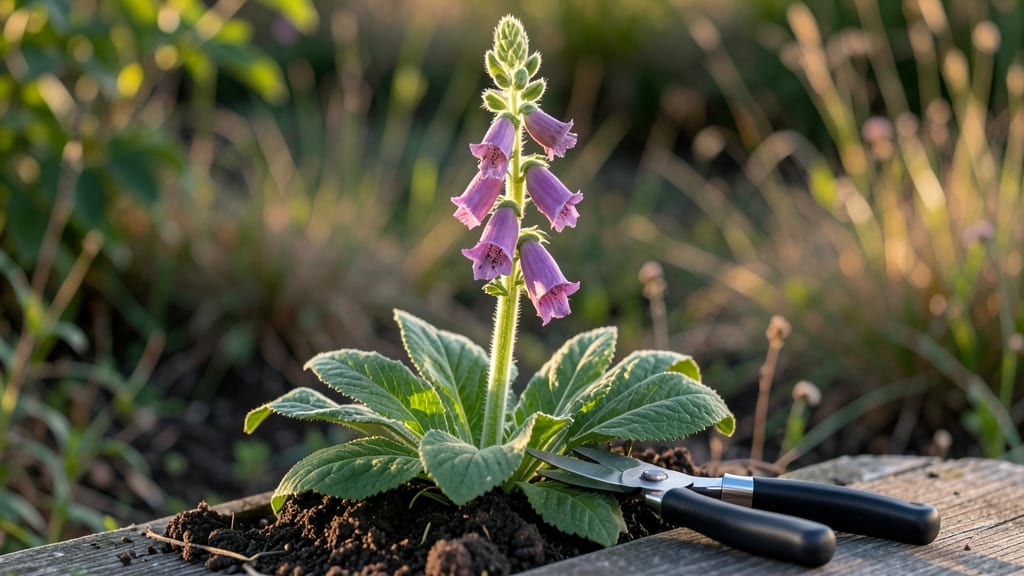
Deadheading foxglove plants keeps those tall spikes blooming all summer long, even when temperatures climb. 🌿 I’ve spent years watching foxglove fizzle out after its first flush of flowers—until I learned this simple trick that turns one spectacular show into three.
The secret isn’t complicated, but timing and technique make all the difference.
You’ll need just a few things: sharp pruners (clean is key), a bucket for spent blooms, and a pair of gloves—foxglove seeds are toxic if ingested. The best time to deadhead is right after a flower spike fades, but before the seed pods swell.
Cut just above the next set of leaves or buds to encourage new growth without stressing the plant.
Done right, your foxglove will reward you with fresh blooms every 4-6 weeks until frost. The plants stay bushier, healthier, and produce fewer unwanted seeds that can spread unpredictably. Just avoid over-pruning—never trim more than a third of the plant at once, or you’ll stunt next year’s growth.
This method works for both biennial and perennial foxglove varieties, though biennials may need extra care to survive their second year. Start in early summer and repeat every 2-3 weeks for continuous color. The payoff? A garden that stays vibrant long after most summer flowers have faded.
📚 In This Guide
- What you need
- Instructions
- Tips and common mistakes
- Wrapping up and next steps
What you need
- ● Pruning shears or sharp bypass pruners – Choose sterilized, sharp tools (avoid dull blades to prevent crushing stems). A 3- to 6-inch blade works best for precision.
- ● Garden gloves – Opt for nitrile-coated gloves (foxglove contains digitalis, which can irritate skin). Size medium to large for comfort.
- ○ Disposable gloves or paper towels – For handling spent blooms (optional but recommended if you’re sensitive to sap).
- ● Bucket or trash bag – A 5-gallon bucket or heavy-duty trash bag for collecting debris (foxglove seeds can spread easily—contain them!).
- ● Rubbing alcohol (70% isopropyl) or bleach solution – For sterilizing tools before and after use (mix 1 part bleach to 9 parts water for disinfecting).
- ● Hand pruners with ergonomic grips – If you have joint issues, these reduce strain during long sessions.
- ● Knee pads or a small stool – For comfort when working close to the ground (foxglove often grows 2–4 feet tall).
- ● Compost bin or garden waste bin – If you plan to reuse plant debris as mulch (ensure seeds are removed first!).
- ● Spray bottle with water – To refresh wilted blooms post-deadheading (keeps plants hydrated in heat).
Instructions for deadheading foxglove plants
Here's how to keep your foxglove blooming all season long with minimal effort.
✂️ Step 1: Identify and Locate Spent Blooms
Start by scanning your foxglove stalks for blooms that have faded or are wilting. Look for flowers where the petals have flattened or turned brown—these are ready for removal. I like to work in the morning when the blooms are still crisp, making it easier to spot spent ones.
Use your fingers to gently pinch off the faded bloom just above the next set of buds. This encourages the plant to redirect its energy toward new flowers rather than seed production. Be careful not to tug too hard, as foxglove stems can be delicate.
✂️ Step 2: Use Clean Tools for Precision
If you prefer using pruners or shears, make sure they're sharp and clean to avoid damaging the plant or spreading disease. I sterilize my tools with rubbing alcohol between plants to keep everything healthy. Cut about ½ inch above the next set of buds—this prevents the plant from putting energy into healing a larger wound.
Don’t cut into the leafy growth below the bloom. Foxglove relies on its leaves for photosynthesis, and removing them weakens the plant. Think of it like trimming your hair—you want to leave enough length for regrowth.
✂️ Step 3: Deadhead Regularly for Continuous Blooms
Deadhead your foxglove every 5-7 days during peak bloom season to keep the flowers coming. I set a reminder on my phone because it’s easy to forget in the hustle of summer. When you see new buds forming below the spent blooms, you’ll know you’re doing it right—the plant is putting its energy where it counts.
If you miss a few blooms, don’t stress. Foxglove is forgiving, and even a few spent flowers won’t ruin the show. Just focus on keeping up with the new blooms as they open. Over time, you’ll develop a rhythm that works for your garden’s pace.
🌿 Step 4: Monitor Plant Health After Deadheading
After deadheading, keep an eye on your foxglove for signs of stress like yellowing leaves or wilting stems. These can signal over-pruning or underlying issues like pests or disease. If you notice any problems, adjust your approach—maybe you’re cutting too aggressively or the plant needs more water.
Water deeply after deadheading to help the plant recover. Foxglove prefers moderate moisture, so aim for about 1 inch of water per week, depending on your climate. A good soak in the morning gives the roots time to absorb moisture before the heat of the day.
⏰ Step 5: Time Your Deadheading for Seasonal Success
In early summer, when blooms are abundant, deadhead more frequently to prolong the season. As temperatures rise, you might notice blooms slowing down—this is normal. Reduce deadheading slightly in late summer to let the plant focus on setting seed for next year.
By late summer or early fall, you can stop deadheading entirely. The plant will naturally shift its energy toward seed production, which ensures new plants for next season. This is also a good time to fertilize lightly if your soil is depleted—foxglove appreciates a boost before dormancy.
Tips & tricks for perfect foxglove deadheading
Here's what nobody tells you about keeping your foxglove blooming like a pro—these tricks will save you time and frustration.
Timing Secret: I always deadhead in the morning when blooms are still crisp. This makes it easier to spot spent flowers and prevents you from accidentally removing healthy ones. The morning light also helps you see the subtle color changes that signal a bloom is ready to go. Trust me on this—it makes all the difference in your garden's appearance.
Precision Cutting: When using pruners, cut about ½ inch above the next set of buds as mentioned in Step 2, but here's the thing: angle your cut slightly downward. This helps water run off the stem and prevents rot. I've seen too many gardeners accidentally cut into the leafy growth below—don't make my mistake! Remember, foxglove relies on those leaves for energy.
Plant Health Check: After deadheading, I always do a quick health check of the stems. Look for any signs of stress like yellowing leaves or soft spots—these can indicate over-pruning or disease. If you notice any problems, reduce how aggressively you're deadheading and give the plant a good drink of water. Foxglove is tough but not indestructible!
Seasonal Strategy: In early summer, I deadhead every 5-7 days as recommended, but as temperatures rise, I space it out to every 7-10 days. The plant needs time to recover when it's hotter. By late summer, I usually stop completely to let the plant focus on seed production for next year. This seasonal approach keeps your foxglove looking its best all summer long.
Pro Tips for Deadheading Foxglove Plants
- Here's what nobody tells you about keeping your foxglove blooming like a pro—these tricks will save you time and frustration.
- Timing Secret: I always deadhead in the morning when blooms are still crisp.
- Precision Cutting: When using pruners, cut about ½ inch above the next set of buds as mentioned in Step 2, but here's the thing: angle your cut slightly downward.
Frequently asked questions
Got questions about keeping your foxgloves blooming all season? We’ve got answers!
When is the best time to deadhead foxgloves?
Deadhead foxgloves after the flowers fade but before the seed pods form—usually mid-to-late summer. Aim for dry, sunny days to reduce disease risk. Pro tip: Check blooms weekly; foxgloves fade fast in heat!
How do I deadhead foxgloves without harming the plant?
Use clean, sharp pruners to snip spent blooms just above the next set of leaves (or the next flower bud). Avoid cutting into woody stems—focus on the flower stalk only. Warning: Wear gloves! Foxglove leaves are toxic if ingested.
Will deadheading foxgloves encourage more blooms?
Yes! Removing faded flowers redirects the plant’s energy to new blooms instead of seed production. Biennial foxgloves may produce fewer flowers the second year, but deadheading still boosts summer displays. Bonus: Cut back ⅓ of the plant in fall to prep for next year’s growth!
What if it rains right after I deadhead?
Wet conditions can spread fungal diseases (like powdery mildew) through open cuts. If rain’s in the forecast, wait 24–48 hours or deadhead in the morning so stems dry quickly. Quick fix: Spritz pruners with rubbing alcohol before use.
Can I skip deadheading foxgloves?
Technically yes—but expect fewer flowers and more seed pods. Deadheading isn’t mandatory, but it dramatically extends the blooming season (especially in heat). If you’re short on time, prioritize the tallest stems first—they’re the showstoppers!
Wrapping up and next steps
Deadheading foxglove plants is a simple yet powerful way to keep your garden vibrant all summer long! 🌸 By removing spent blooms, you encourage new flowers, extend the blooming season, and help your plants stay healthy—even in the heat.
With just a little effort, you’ll enjoy stunning foxgloves well into fall.
Now that you’re ready to tackle deadheading, grab your pruners and get started! Try it with one section of your garden first, then expand as you gain confidence. Happy gardening—your foxgloves will thank you! 🌿✨