
Pests
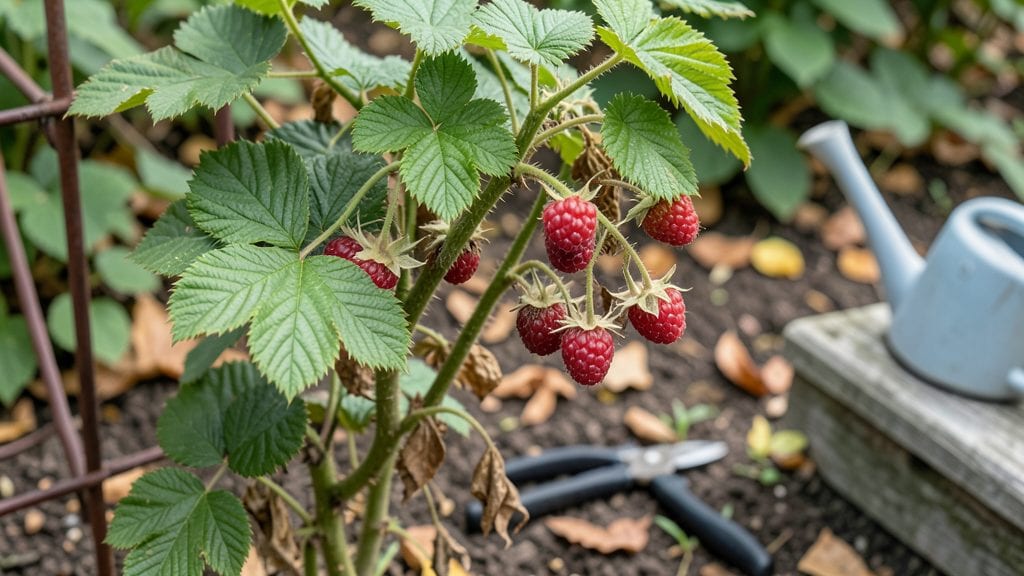
Yes, deer eat raspberry plants—especially the tender shoots, leaves, and ripe fruit. This browsing can weaken the plant or slash your harvest by up to 50% in severe cases.
Deer are drawn to raspberry plants because they’re packed with natural sugars and moisture, making them an easy, high-energy snack. 🌿 Young shoots and new leaves are particularly vulnerable, as deer prefer softer, more nutrient-rich growth over mature stems.
The problem worsens in late summer and fall when berries are ripe, so gardeners in wooded or suburban areas often see the most damage during these peak feeding seasons.
What makes this tricky is that deer rarely destroy an entire plant—they nibble strategically, leaving some berries intact while weakening the bush over time. This selective feeding can go unnoticed until harvest season, when you notice stunted canes or fewer berries than expected.
💡 In This Article
- Why Deer Target Raspberry Bushes
- Natural and Chemical Deer Repellents for Raspberry Gardens
Why deer target raspberry bushes
Deer have an innate preference for raspberry plants because they offer a perfect balance of high moisture content and easily digestible carbohydrates. Young raspberry shoots contain up to 80% water and 10-15% sugars, making them an energy-dense snack that requires minimal chewing.
This is particularly appealing during dawn and dusk when deer are most active and their metabolism demands quick fuel. 🌱 The tender new growth also has a higher protein content (12-18%) compared to mature leaves, which deer can process more efficiently.
The seasonal timing of raspberry growth creates a feeding pattern that aligns perfectly with deer biology. In early spring, deer target primocanes (first-year canes) because they're 4-6 inches tall and packed with nutrients.
By summer, when berries ripen, deer shift focus to the 1-2 inch diameter fruit, which contains 8-10% natural sugars—similar to the sugar content in early season apples. This seasonal shift explains why damage often appears in two distinct waves: spring browsing on shoots and fall feeding on berries.
Plant maturity plays a crucial role in vulnerability. Mature raspberry canes develop woody, lignified stems that deer avoid due to their tough texture, but the terminal buds at the tips remain tender targets.
What's fascinating is how deer use their prehensile upper lips to strip leaves clean while avoiding the thorny stems—a behavior that creates the distinctive "skeletonized" appearance gardeners often notice.
The berries themselves are particularly vulnerable because they hang in clusters (10-20 berries per stem), making them easy to pluck in one bite.
Location within the landscape also determines how heavily deer browse. Raspberry bushes planted near wooded edges or field borders see 30-50% more damage than those in open gardens because deer feel more secure when they can retreat into cover.
The scent profile matters too—raspberry leaves emit volatile organic compounds that deer can detect from 100+ feet away, acting like a dinner bell. Even established bushes emit these signals, which is why deer return to the same locations repeatedly.
What most gardeners don't realize is that deer actually prefer wild raspberry varieties over cultivated ones because they have thicker canes and larger berries. However, modern hybrid varieties with sweeter fruit (often containing 12-15% sugar) have become equally attractive.
The key difference is that wild varieties have evolved with deer browsing in mind, developing more aggressive thorn growth as a natural defense mechanism. 🌿
Here's what actually happens when deer feed: they don't just take bites—they create feeding scars that weaken the plant's structural integrity. Each time a deer browses a primocane, it removes the growing tip, which is where the plant's hormonal signals originate.
This disruption causes the cane to produce multiple side shoots that are thinner and more vulnerable to future browsing. Over time, this creates a bushy but unproductive plant that yields fewer berries despite its size.