
Pests
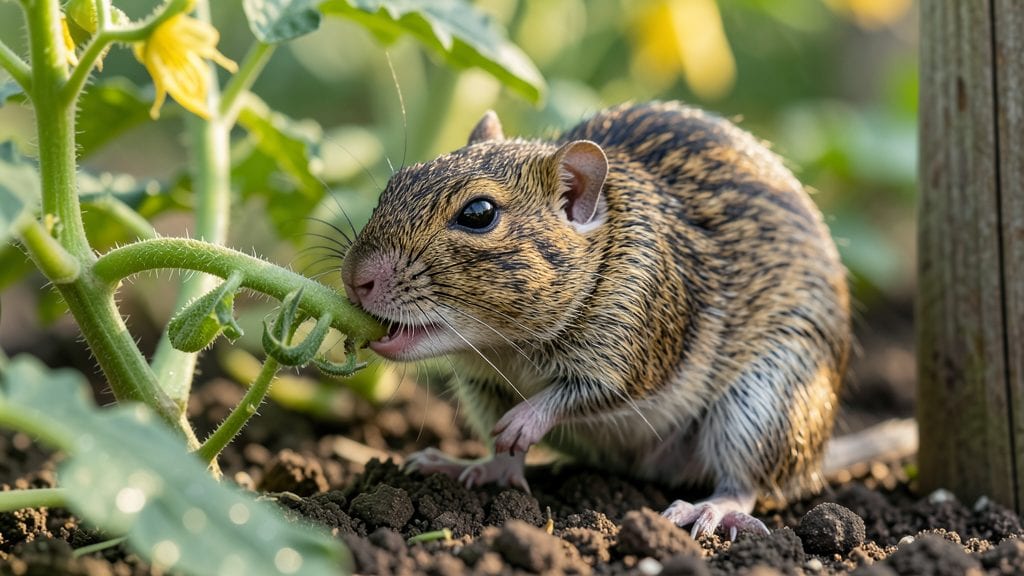
Yes, gophers eat tomato plants, chewing through leaves and stems while gnawing on roots underground. This can kill seedlings instantly and weaken mature plants, plus their tunnels ruin soil drainage and irrigation lines.
Gophers don't just nibble—they go for the whole plant, starting with tender shoots and moving to roots when they sense vulnerability. 🌱 Their underground networks create air pockets that dry out soil, while surface tunnels disrupt water flow to your plants.
I’ve seen entire tomato beds collapse when gophers hit, especially after heavy rain when their tunnels destabilize. The real kicker? They often return to the same spots, so one infestation can spiral if you don’t act fast.
What makes this worse is their selective feeding—gophers target healthy, fast-growing plants first, leaving your struggling tomatoes as easy prey. This isn’t just about lost harvests; it’s about watching your garden’s foundation literally cave in beneath them.
The key is catching them early before they turn your tomato patch into a gopher buffet.
💡 In This Article
- How Gophers Target Tomato Plants and Gardens
- Effective Gopher Control Methods for Tomato Gardens
How gophers target tomato plants and gardens
Gophers have a two-pronged attack on tomato gardens, starting with their foliage preference during early growth stages. Young tomato seedlings are particularly vulnerable because their tender stems contain high moisture and soft tissue—perfect for a gopher's sharp incisors.
Studies show gophers consume up to 30% of their body weight daily, and tomato leaves provide an ideal high-water, nutrient-rich snack. The damage isn't just cosmetic; when they gnaw through stems, they sever the plant's vascular system, causing wilt and death within 24-48 hours.
The real devastation comes underground, where gophers target roots and tubers with surgical precision. Their burrowing creates 1-2 inch diameter tunnels that disrupt root systems, preventing nutrient and water absorption. What's worse? Their feeding chambers often form near root crowns, where they chew through the plant's lifeline.
Soil compaction from their tunnels reduces oxygen levels by 30-50%, creating anaerobic pockets that suffocate roots. This explains why tomato plants suddenly collapse even when they appear healthy above ground.
Seasonal patterns reveal gophers' strategic timing. They become most active during spring planting (March-May) when new shoots emerge, and again in late summer when tomatoes are ripe and sweet. Their burrowing peaks after rain when soil is loose, making tunnel creation easier.
The damage compounds because gophers often return to the same feeding sites, creating high-risk zones where multiple plants suffer. This explains why gardeners notice entire sections of tomato beds failing simultaneously.
What most people overlook is how gopher activity disrupts soil ecosystems. Their tunnels create air pockets that dry out soil, while their feeding disrupts beneficial microbes. The result? Tomatoes develop stunted growth and poor fruit set, even with proper watering.
Their burrowing also damages irrigation systems—plastic pipes get punctured, and drip lines get severed, creating dry zones where roots can't reach moisture. This two-fold attack explains why gopher damage often looks like drought stress rather than direct feeding.
Here's the science behind their behavior: gophers are herbivorous rodents with specialized cheek pouches for carrying food. Their diet consists of 60-70% underground plant parts, with roots and tubers being their favorites.
Tomato plants, with their deep taproots, become prime targets. The irony? Gophers actually prefer young, fast-growing plants because they're easier to digest. This explains why your carefully nurtured seedlings become their first course.
Visual signs of gopher activity include ragged holes in soil (not mounds like moles), uneven plant wilting, and surface tunnels near plant bases. The damage often appears overnight, which is why gardeners wake up to find their tomato patch looking like a war zone.
Understanding these patterns helps you implement targeted defenses before the gophers turn your garden into their personal buffet.