
Companion Plants
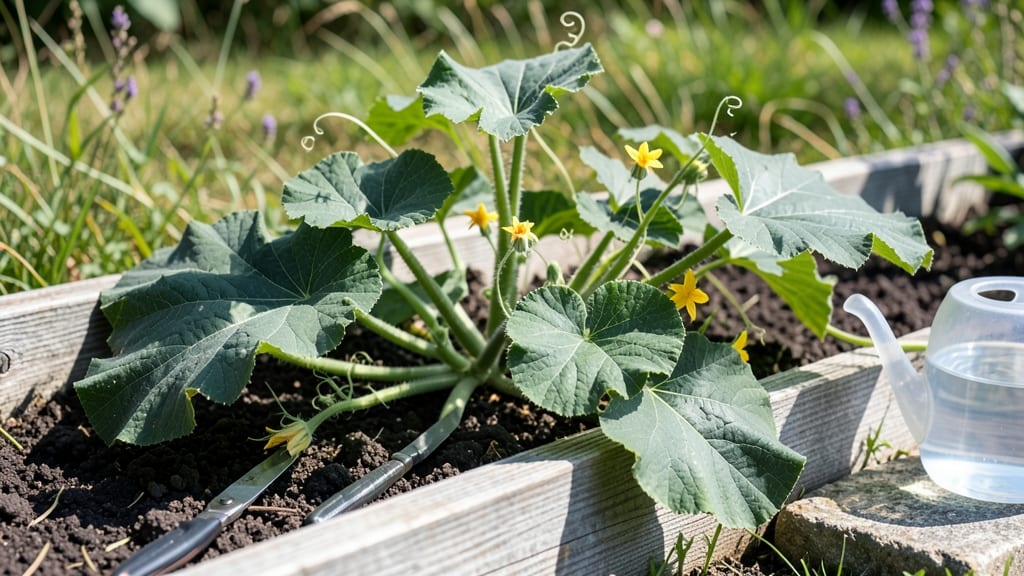
Fast cucumber harvests start with the right early varieties and timing—my favorite trick is planting early cucumber plants just as soil warms to 55°F, even if frost still lingers.
I learned the hard way that rushing too soon means wilted seedlings, but patience pays off with crisp, vine-ripened cukes by early summer. The key is choosing cold-tolerant varieties like 'Early Girl' or 'Straight Eight' that sprout in 5-7 days, beating the heatwave before it hits.
You’ll need a sunny spot with 6+ hours of light, rich soil mixed with compost, and containers if your ground stays cold. I swear by black plastic mulch to warm soil faster—it cuts germination time by nearly half and keeps weeds down.
Spacing matters too: give vines 12-18 inches apart (or trellis them to save space), and always plant seeds 1 inch deep for consistent sprouting.
Once those first leaves break through, water deeply but infrequently—cucumbers hate soggy roots. A 2-inch layer of straw mulch keeps moisture steady and weeds at bay. By midseason, you’ll be harvesting 1-2 cucumbers per plant weekly, and the vines will sprawl like green waterfalls.
The secret? Start early, stay consistent, and don’t skimp on the sun.
Northern gardens get one short season—so prioritize quick-maturing varieties and extend the harvest with row covers. Southern growers can push two plantings, but watch for heat stress after 85°F. Either way, these early cucumbers deliver crisp, homegrown flavor when store-bought ones taste bland. Ready to grow?
📚 In This Guide
- What you need
- Instructions
- Tips and common mistakes
- Wrapping up and next steps
What you need
- ● Fast-germinating cucumber seeds (e.g., ‘Straight Eight,’ ‘Lemon Cucumber,’ or ‘Early Yellow’—choose heirloom or hybrid varieties labeled for quick germination). Quantity: 3–5 seeds per pot or 10–15 seeds for direct sowing.
- ● Seed-starting mix (lightweight, sterile, and well-draining—avoid garden soil). Quantity: 1–2 gallons (or enough to fill your containers).
- ● Containers or seed trays (biodegradable pots, peat pellets, or cell trays with drainage holes). Size: 2–3 inches deep for seeds, later transplant to 5-gallon pots or larger.
- ● Grow lights or a sunny windowsill (south-facing window or LED grow lights for 12–16 hours/day).
- ● Watering can or spray bottle (with a fine mist setting to avoid disturbing seeds).
- ● Plastic wrap or humidity dome (to retain moisture until germination).
- ● Fertilizer (balanced, water-soluble fertilizer like 5-5-5 or a mild compost tea). Ratio: Dilute to half-strength for seedlings.
- ● Heating mat (70–75°F range to speed up germination—especially useful in cool climates).
- ● pH test kit (ideal soil pH for cucumbers: 6.0–6.8).
- ● Trellis or tomato cages (for vertical growth—cucumbers thrive with support!).
- ● Compost or worm castings (for nutrient-rich soil amendments).
- ● Plant labels (to track varieties and planting dates).
Instructions for germinating early cucumber seeds quickly
Here’s how to jumpstart your harvest with cucumbers that sprout in days, not weeks.
Soak Seeds to Speed Germination
Fill a small bowl with warm water and add the cucumber seeds. Let them soak for 12 hours—this softens the seed coat and triggers faster sprouting. I like to use a mesh bag or paper towel to contain them while soaking, so they don’t scatter. After soaking, drain the seeds and let them sit for 30 minutes to dry slightly before planting. This prevents over-saturation, which can rot the seeds before they even sprout.
Watch for the seeds to swell slightly—they’ll look plumper and more vibrant. If they’re still hard after soaking, give them another hour or two. The goal is to break dormancy without damaging the seed. Once ready, you’ll see them plump up noticeably, signaling they’re primed for planting.
Prepare Containers and Planting Mix
Use the biodegradable seedling pots to give roots room to expand without disturbance. Fill each pot with 2 cups of seed-starting mix, pressing it down lightly to eliminate air pockets. The mix should be moist but not soggy—squeeze a handful to check. If water drips out, it’s too wet; if it crumbles, add a little more moisture.
Make a small hole in the center of each pot, about ½ inch deep. Place 1-2 soaked seeds per hole, spacing them slightly if planting two. Cover them with a thin layer of the mix, just enough to bury them lightly. Press gently to ensure good soil contact, which helps the seeds draw up moisture and germinate faster.
Create Ideal Germination Conditions
Place the pots in a seedling heat mat set to 75-85°F—this warmth mimics the soil conditions cucumbers love and speeds up germination. Cover the pots with a clear plastic dome or wrap them in plastic wrap to retain humidity. Check daily for condensation; if the inside of the cover fogs up, the humidity is perfect. If it stays dry, mist the soil lightly to maintain moisture.
Germination usually happens within 3-5 days, but some varieties may take up to 7 days. Keep the heat mat running until you see the first sprouts. Avoid moving the pots once planted—they’re sensitive to disturbance at this stage. Once the seedlings emerge, remove the cover immediately to prevent mold and leggy growth.
Provide Light and Air Circulation
Move the seedlings to a south-facing window or under grow lights as soon as they sprout. Cucumbers need 14-16 hours of light daily to grow strong and compact. If using grow lights, position them 2-3 inches above the plants and adjust the height as they grow. Leggy seedlings with pale stems mean they’re stretching for light—this is a red flag to increase light exposure immediately.
After 7-10 days, when the seedlings have 2-3 true leaves, thin them to the strongest one per pot. Snip the weaker seedlings at the base with scissors to avoid disturbing the roots of the remaining plant. Keep the soil consistently moist but not waterlogged—stick your finger ½ inch deep into the soil; if it feels dry, water gently until it’s evenly damp.
Harden Off and Transplant Quickly
Two weeks before your last frost date, start hardening off the seedlings. Place them outside in a sheltered spot for 1 hour the first day, gradually increasing their time outdoors by 1 hour daily. Choose a shady area at first to avoid shocking the plants with direct sun. After 5-7 days, they should be able to handle full sun for 4-6 hours. This process toughens them up for transplanting.
Transplant the seedlings into the garden or larger containers when they’re 3-4 weeks old and have 4-5 true leaves. Choose a spot with full sun and well-draining soil. Dig holes slightly larger than the pots, place the seedlings in, and firm the soil around them. Water deeply right after transplanting to help them establish roots quickly. With this method, you’ll see cucumbers ready to harvest in as little as 50-60 days—that’s a fast turnaround for a summer favorite!
Tips & tricks for fast-germinating cucumber plants
Speeding up cucumber germination doesn't have to be guesswork—these precision techniques will help you achieve sprouts in record time while avoiding common pitfalls that slow down the process.
Soaking Precision: The 12-hour soak is your golden window for breaking dormancy, but don't cut it short. I've found that cucumber seeds need this full time to soften their tough outer shells properly. For extra insurance, especially with older seeds, extend the soak to 14-16 hours while keeping them in warm water. After draining, that 30-minute drying period is crucial—it prevents the seeds from becoming waterlogged, which can trigger rot before germination even begins.
Heat Mat Optimization: Maintaining that 75-85°F range on your seedling heat mat is non-negotiable for fast germination. I recommend placing a small thermometer on the mat to monitor temperature—some cheaper mats don't maintain consistent heat. If your kitchen runs cool, consider using a small space heater nearby to create a microclimate. Once you see sprouts, remove the cover immediately to prevent condensation buildup, which can lead to mold or leggy seedlings.
Light Timing Strategy: The 14-16 hours of daily light requirement starts as soon as you see those first green shoots. I've had success using a simple LED grow light on a timer to automate this. Position it just 2-3 inches above the seedlings—closer than you might think. Watch for that telltale sign of legginess (long, pale stems) which means they're stretching for more light. If you notice this after just 7-10 days, increase light exposure immediately to prevent weak stem development.
Transplanting Readiness: When you're ready to transplant those 3-4 week old seedlings, look for plants with 4-5 true leaves that feel sturdy when touched. I like to do a final check by gently tugging on the seedling—if it comes out of the pot easily with minimal soil attached, it's ready. For a quick transplant, water the seedlings thoroughly the night before, then handle them by their leaves (never the stems) to avoid damage. This simple technique reduces transplant shock significantly.
Pro Tips for Early Cucumber Plants
- Speeding up cucumber germination doesn't have to be guesswork—these precision techniques will help you achieve sprouts in record time while avoiding common pitfalls that slow down the process.
- Soaking Precision: The 12-hour soak is your golden window for breaking dormancy, but don't cut it short.
- Heat Mat Optimization: Maintaining that 75-85°F range on your seedling heat mat is non-negotiable for fast germination.
Frequently asked questions
Got questions about jumpstarting your cucumber harvest?
Here are answers to the most common ones—so you can grow faster, smarter, and with fewer hiccups!
How soon can I expect cucumbers after planting early seeds?
With fast-germinating varieties (like 'Straight Eight' or 'Early Green'), expect tiny cucumbers in 50–60 days from sowing—if you start seeds indoors 3–4 weeks before the last frost. Direct-sown seeds may take 7–10 days to sprout, then another 45–55 days to fruit. Pro tip: Use a heat mat (70–90°F soil temp) to speed up germination by 2–3 days!
Can I plant early cucumbers in cold soil?
Nope! Cucumbers hate cold soil (<50°F). Wait until the ground is at least 60°F (use a soil thermometer) or plant in black plastic mulch to warm it faster. If frost threatens, cover seedlings with floating row covers—they’ll bounce back if protected!
What’s the best companion plant for early cucumbers?
Pair them with bush beans, radishes, or dill to repel pests and improve growth. Avoid planting near potatoes or aromatic herbs (like sage), which can stunt their growth. Bonus: Marigolds nearby deter cucumber beetles naturally!
Why aren’t my early cucumber seedlings sprouting?
Check these first:
- Moisture: Keep soil consistently damp (not soggy)—use a spray bottle for fine seeds.
- Depth: Plant seeds ½ inch deep max; deeper = slower (or no) sprouts.
- Temperature: Below 60°F soil? They’ll sulk. Try a seedling heat mat.
- Age: Old seeds (>2 years) may fail. Test germination by soaking a few in warm water—if they sink, they’re still viable!
Can I harvest early cucumbers small for pickling?
Pick them at 2–4 inches long for crisp, sweet "cornichons" (French pickles). Use paraffin wax on scissors to avoid disease when snipping. Warning: Overripe cucumbers (yellow, seedy) taste bitter—harvest often to encourage more production!
Wrapping up and next steps
Growing early cucumber plants from fast-germinating seeds is a rewarding way to enjoy fresh, homegrown produce in no time! 🌱 With the right soil, warmth, and care, you’ll be harvesting crisp cucumbers sooner than you think.
Whether you’re a seasoned gardener or just starting out, these quick-growing varieties make it easy to turn your garden—or even a sunny windowsill—into a thriving harvest.
Now that you’re armed with tips and tricks, it’s time to plant those seeds and watch your garden bloom! Start small, experiment with companion plants, and soon you’ll be sharing your bounty with friends and family. Happy gardening—your first cucumber won’t be far behind! 🥒✨