
Pruning
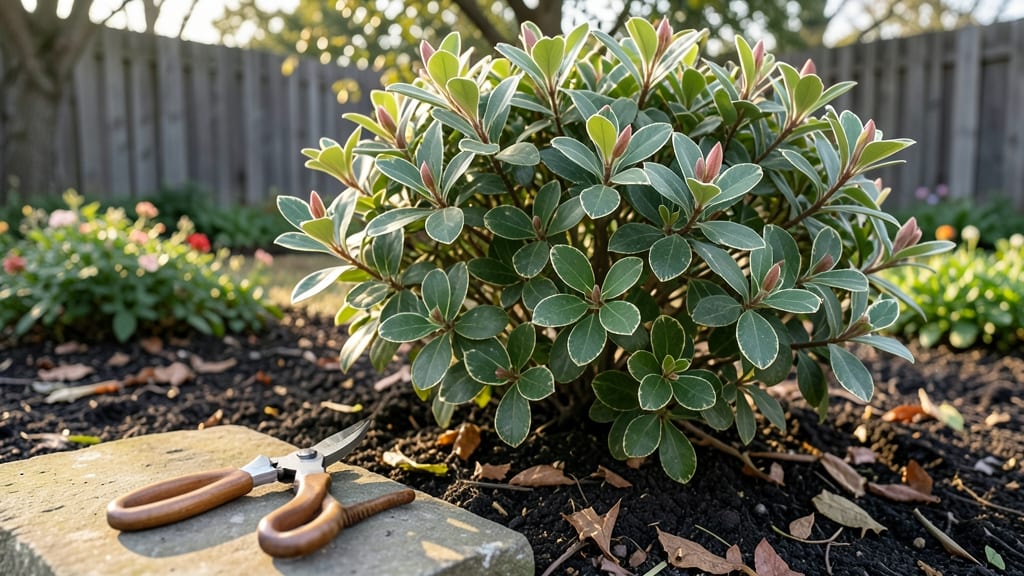
Pruning euonymus plants is the secret to keeping them healthy and lush year after year. I’ve watched my Euonymus japonicus go from a tangled mess to a perfectly shaped shrub simply by timing cuts right—no guesswork, just strategic snips.
The key isn’t just when you cut, but how you shape the plant to encourage fuller growth and prevent disease.
Most gardeners prune euonymus in late winter or early spring, but summer trimming can also work if you’re fixing shape or removing dead branches. You’ll need sharp pruners, a ladder (for taller varieties like E. alatus), and a clear plan—whether you’re rejuvenating an overgrown bush or just tidying up.
The goal? Open the center for airflow and sunlight, which keeps leaves vibrant and stems strong.
After pruning, your euonymus will reward you with thicker foliage and brighter fall colors. The plant responds quickly to cuts, sending out fresh growth within weeks.
Just avoid heavy pruning in fall—it stresses the shrub before winter dormancy. With the right technique, even neglected euonymus can bounce back in a single season.
Works for all varieties, from dwarf types to sprawling climbers. Here’s how to get it right—no more patchy growth or sad-looking branches.
📚 In This Guide
- What you need
- Instructions
- Tips and common mistakes
- Wrapping up and next steps
What you need
- ● Bypass pruners – Sharp, clean (sterilized with rubbing alcohol), and ergonomic (e.g., Felco F-2 or Corona Tools). Size: 6-8 inches for medium branches.
- ● Loppers – For thicker stems (½–1½ inches). Opt for ratcheting loppers (e.g., Fiskars X27) for extra leverage.
- ● Hand saw – Pruning saw with fine teeth (e.g., Bahco Laplander) for stubborn branches (>1½ inches).
- ● Gloves – Garden gloves (nitrile-coated for grip) or cut-resistant (for thorny varieties like Euonymus alatus).
- ● Ladder or step stool – Sturdy, non-slip (e.g., Little Giant MagniLift) for tall euonymus (6+ feet).
- ● Disinfectant spray – 70% isopropyl alcohol to prevent disease spread between cuts.
- ● Sealing wax – For large cuts (>½ inch) to protect from pests (e.g., Tanglefoot Tree Wound Pruning Seal).
- ● Pruning shears (for detail work) – Concave blades (e.g., Corona Pro) for shaping small branches.
- ● Work apron or bag – To collect clippings and keep your workspace tidy.
- ● Safety gear – Sunglasses (UV protection) and long sleeves (for thorny types).
- ● Weather check – Prune on a dry, overcast day (avoid midday sun or rain).
- ● Plant ID – Confirm your euonymus type (e.g., Euonymus japonicus vs. Euonymus fortunei) to tailor cuts.
Step-by-Step instructions for pruning euonymus plants
Here’s how to keep your euonymus looking lush and thriving year-round with precise, seasonal pruning.
Prune for Shape in Late Winter or Early Spring
Start pruning your euonymus in late February or early March, just as new growth begins to appear. This timing ensures you remove dead or weak branches without cutting into next season’s buds. Use clean, sharp pruners to make cuts at a 45-degree angle, about ¼ inch above a leaf node or outward-facing bud. This encourages new growth to sprout in the right direction.
Focus on removing any crossing branches, those growing inward, or stems that spoil the plant’s natural shape. Euonymus responds well to shaping, so don’t be afraid to trim back up to ⅓ of the plant if needed. The goal is to open up the center for airflow and sunlight, which keeps the foliage healthy and vibrant.
Lightly Trim After Flowering in Summer
If your euonymus produces flowers, wait until after they fade—usually mid-to-late summer—before doing any additional pruning. At this point, simply remove any dead, diseased, or overly leggy branches to maintain the plant’s form. Avoid heavy pruning now, as it can stress the plant and reduce its ability to store energy for winter.
This light maintenance helps keep the plant tidy without disrupting its natural growth cycle. You’ll notice new shoots emerging from the pruned areas, signaling that the plant is recovering well. If you see any branches growing too long or out of place, trim them back to a healthy leaf node to encourage bushier growth.
Clean Up and Prepare for Winter in Fall
In early fall, before the first frost, do a final check for any remaining dead or damaged branches. Remove them to prevent pests or diseases from overwintering in the plant. Avoid heavy pruning now, as euonymus needs time to harden off before winter. Focus on sanitizing your pruners with rubbing alcohol between cuts to prevent spreading any potential infections.
This is also a good time to rake up and dispose of any fallen leaves or debris around the base of the plant. Euonymus is generally hardy, but keeping the area clean reduces the risk of fungal issues. If your plant looks particularly stressed, hold off on pruning until spring—healthy growth is the priority.
Monitor and Adjust Growth Throughout the Year
Keep an eye on your euonymus throughout the year for any signs of overgrowth or unruly branches. If you notice new shoots growing in unwanted directions, trim them back as soon as they appear to maintain the plant’s shape. Euonymus is forgiving, so even if you prune a little too much, it will bounce back with proper care.
Water deeply after pruning to help the plant recover, especially if you’ve made larger cuts. Mulch around the base with 2-3 inches of organic mulch to retain moisture and protect roots during temperature swings. With consistent pruning, your euonymus will stay compact, healthy, and full of vibrant foliage for years to come.
Tips & tricks for perfect euonymus plant pruning
Pruning euonymus properly is all about timing and technique—here's how to avoid common mistakes and keep your plant thriving.
The Right Time Matters: In Step 1, when pruning in late February or early March, look for the first signs of new growth along the stems. This is your cue that the plant has broken winter dormancy and is ready for shaping. If you prune too early, you risk cutting off next year's buds. I always do a quick check by gently bending a few branches—if they feel slightly flexible (not brittle), it's time to prune.
Cutting Technique is Everything: The 45-degree angle cut mentioned in Step 1 deserves special attention. This angle helps water run off the cut rather than pool inside, which prevents rot. Make sure your pruners are sharp—dull blades crush stems instead of cleanly cutting them. For larger branches, I often make a small undercut first to control the branch's fall, then complete the cut just outside the branch collar.
Seasonal Maintenance Strategy: During the summer trimming in Step 2, focus on removing only what's absolutely necessary. I've learned the hard way that euonymus stores energy in its branches for winter survival—heavy summer pruning can leave it vulnerable to cold. Limit yourself to removing only dead, diseased, or truly leggy branches, and always trim back to a leaf node or outward-facing bud to encourage new growth in the right direction.
Cleanliness Prevents Problems: The fall cleanup in Step 3 is crucial for plant health. After removing dead branches, I always sanitize my pruners with rubbing alcohol between cuts—this simple step prevents spreading any potential infections from one cut to another. I also take this opportunity to remove any fallen leaves or debris from the base of the plant, which helps prevent fungal issues from developing over winter.
Pro Tips for Euonymus Plant Pruning
- Pruning euonymus properly is all about timing and technique—here's how to avoid common mistakes and keep your plant thriving.
- The Right Time Matters: In Step 1, when pruning in late February or early March, look for the first signs of new growth along the stems.
- Cutting Technique is Everything: The 45-degree angle cut mentioned in Step 1 deserves special attention.
Frequently asked questions
Got questions about pruning your euonymus? You’re not alone!
Whether you're a new plant parent or a seasoned gardener, these common queries will help you keep your euonymus thriving year-round.
When is the best time to prune euonymus for optimal growth?
The ideal time to prune euonymus is late winter or early spring (just before new growth starts) to encourage vibrant blooms and dense foliage. You can also do light shaping in summer after flowering, but avoid heavy cuts then. Never prune in fall—it can stimulate tender new growth that won’t survive winter.
How do I prune euonymus to encourage bushier growth?
To promote bushiness, cut back about one-third of the oldest stems to the ground in early spring. For shape, trim just above a leaf node (where leaves meet the stem) at a 45-degree angle to prevent water pooling. Avoid "topping" (shearing the top flat)—this weakens the plant.
What should I do if my euonymus looks leggy or sparse after pruning?
Leggy growth often means it needs more light or nutrients. Fertilize lightly in spring with a balanced 10-10-10 formula, and ensure it gets 6+ hours of sunlight daily. If pruning was too aggressive, new growth will fill in over time—but avoid pruning again until next year.
Can I prune euonymus in winter, and how do I protect it from cold?
Prune only if necessary in winter (e.g., removing dead wood), but avoid heavy cuts—it stresses the plant. To protect it, mulch the base with 2–3 inches of shredded bark and wrap young plants in burlap if temps drop below 10°F. Evergreen varieties need extra care!
Are there any pruning mistakes I should avoid with euonymus?
Skip these blunders:
- Pruning too late in the season (fall/winter) can harm winter hardiness.
- Using dull shears—they crush stems, inviting disease. Sharpen blades first!
- Over-pruning (more than 1/3 of the plant at once) weakens growth.
- Ignoring dead/diseased branches—remove them anytime to prevent spread.
Wrapping up and next steps
Mastering euonymus plant pruning is your ticket to a lush, vibrant garden year-round! 🌿 With the right tools, timing, and techniques—like shaping in late winter or summer and deadheading spent blooms—you’ll keep your euonymus thriving.
Remember, consistency and patience are key: a little effort now means stunning foliage and structure later.
Ready to transform your garden? Grab your pruners, dust off those gloves, and start shaping today! Need a refresher? Bookmark this guide and revisit it before your next pruning session. Happy gardening! 🌟