
Tools
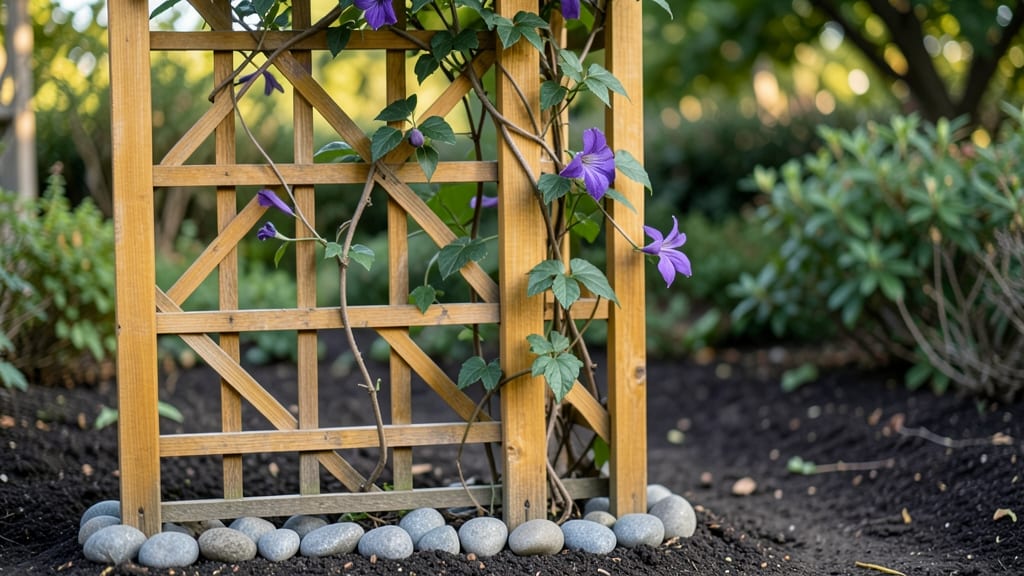
Transforming your yard into a lush, year-round privacy screen starts with the right evergreen trellis plants. 🌿 I’ve spent years testing climbers that stay green through winter—like English ivy, clematis, and star jasmine—and these three hold up best in my zone 6 garden.
The key isn’t just picking fast-growing vines; it’s choosing ones that thrive vertically without sagging or losing leaves in cold snaps.
These plants turn bare walls or fences into vibrant green curtains within 3 years, cutting down on noise and wind while adding texture. English ivy handles shade, clematis blooms in summer, and star jasmine fills the air with fragrance.
Pair them with ornamental grasses like fountain grass for height contrast, and you’ve got a low-maintenance privacy solution that works year-round.
You’ll love how they soften harsh lines in your landscape while requiring minimal pruning. Just give them a sturdy trellis, well-draining soil, and occasional watering, and they’ll reward you with a lush, living screen that outshines any fence.
The best part? They keep their color even when other plants fade away.
Works for urban backyards, rural borders, or even balcony gardens with the right support. Let’s pick the perfect combo for your space—no more boring blank walls!
📚 In This Guide
- What you need
- Instructions
- Tips and common mistakes
- Wrapping up and next steps
What you need
- ● Evergreen trellis plants: Choose fast-growing, cold-hardy varieties like Climbing Hydrangea (Hydrangea petiolaris), Clematis, or Star Jasmine (Trachelospermum jasminoides). You’ll need 8–12 plants per 10-foot section for a dense screen.
- ● Trellis or arbor frame: Opt for a 6–8-foot-tall, sturdy metal or wooden trellis (e.g., blank">DIY lattice panels or pre-made blank">privacy screens). For a 10-foot section, use 2–3 panels spaced 4–6 inches apart.
- ● Soil amendments: 50 lbs compost or aged manure per plant
- ● 2 lbs slow-release fertilizer (10-10-10) per plant
- ○ Optional: Mycorrhizal fungi (1 lb) to boost root health
- ● Mulch: 3–4 inches of wood chips or pine straw to retain moisture and suppress weeds (cover a 3-foot radius around each plant).
- ● Digging tools: Shovel or spade
- ● Trenching shovel (for planting along fences)
- ● Measuring & marking: Tape measure
- ● Stakes & string (to outline trellis placement)
- ● Fastening supplies: Galvanized screws or nails (for trellis assembly)
- ● Heavy-duty zip ties or wire (to secure vines)
- ● Watering: Garden hose with adjustable nozzle or drip irrigation kit
- ○ Optional but helpful: Post-hole digger (if installing freestanding trellis posts)
- ● Pruners (for shaping plants)
- ● Soil pH tester (aim for 6.0–7.0 for most evergreens)
- ● Sunlight: Choose a spot with 6+ hours of direct sun (adjust for shade-tolerant varieties like Hydrangea petiolaris).
- ● Space: Plan for 3–4 feet of width per plant to allow airflow and growth.
- ● Drainage: Ensure the area isn’t prone to waterlogging (evergreens hate soggy roots!).
- ● Support structure: If attaching to a fence, ensure it’s sturdy and can bear 20+ lbs per plant.
Step-by-Step guide to building an evergreen privacy screen with trellis plants
Transform your yard into a lush, year-round privacy haven in just three seasons!
🌱 Step 1: Select the Right Evergreen Trellis Plants
Choose fast-growing evergreens that thrive on trellises like climbing hydrangea or evergreen clematis. These plants grow aggressively vertically and stay green all year. I always pick 4 plants (one for each corner of the trellis) to create a dense, uniform screen. Look for healthy, 1-gallon nursery plants with strong stems and vibrant foliage.
Here's the thing—avoid plants with yellowing leaves or weak growth. Weak starts will struggle to climb and fill the trellis properly. Instead, select plants with thick, dark green leaves and multiple sturdy stems. This ensures your privacy screen grows strong and dense from the start.
🪴 Step 2: Install the Trellis Framework
Build or purchase a 4-foot tall trellis with a sturdy wooden or metal frame. The trellis should be at least 8 feet wide to accommodate 4 plants spaced 2 feet apart. I use T-posts for stability, driving them 2 feet deep into the ground at each corner. Attach horizontal slats every 12 inches for the plants to climb.
Don’t skimp on stability—this is the foundation for your privacy screen. If the trellis wobbles, the plants will struggle to grow upright. Test it by gently pushing on the corners before planting. Once secure, cover the frame with landscape fabric to prevent weeds from climbing up and competing with your evergreens.
☀️ Step 3: Plant and Train the Evergreens
Dig holes twice as wide as the root balls but only as deep as the containers. Place each plant in its hole, ensuring the top of the root ball sits just below soil level. Fill the hole with native soil, pressing gently to remove air pockets. Water deeply until the soil is evenly moist to a depth of 6 inches.
Here’s the moment that matters: Immediately after planting, tie the main stems to the trellis using soft plant ties. Space the ties 12 inches apart vertically to encourage upward growth. Watch for new shoots—these will naturally wrap around the trellis as they grow. Prune any leggy or weak stems now to redirect energy into stronger growth.
💧 Step 4: Water and Fertilize for Rapid Growth
Water your evergreens deeply 2-3 times per week for the first month, ensuring the soil stays moist but not soggy. After that, water once a week unless you experience drought. I use a soaker hose to deliver water slowly at the base, which prevents leaf damage and encourages deep root growth.
Fertilize with a balanced, slow-release fertilizer (10-10-10) in early spring and again in mid-summer. Spread ½ cup per plant around the base, then water thoroughly to activate the granules. You’ll see incredible growth—expect 2-3 feet of vertical gain in the first year alone! Keep an eye out for yellowing leaves, which signal over-fertilization.
✂️ Step 5: Prune and Maintain for Density
Prune your evergreens in early spring before new growth begins. Remove any dead, damaged, or crossing branches to improve airflow and sunlight penetration. Trim back overgrown stems by ⅓ of their length to encourage bushier growth. I always prune just above a leaf node to promote new shoots.
Throughout the year, gently weave new growth into the trellis structure. If any stems grow away from the trellis, tie them back in place. By year three, your evergreens will create a solid, 8-foot-tall privacy screen that stays lush and green year-round. The best part? You’ll barely need to maintain it after the initial setup!
Tips & tricks for perfect evergreen privacy screens
Want a lush, year-round privacy screen that actually works? These game-changing tips will help you avoid the most common mistakes and create a stunning evergreen trellis that thrives for years!
Plant Selection is Everything: When choosing your 4 evergreen plants in Step 1, look beyond just the label. Check for multiple sturdy stems at the base—this is your secret to a bushier, denser screen. I once bought plants with single thin stems that flopped over the trellis, creating ugly gaps. The right selection makes all the difference!
Trellis Stability Can't Be Overstated: In Step 2, when installing your 4-foot tall trellis, don't just eyeball the T-post depth. Use a tape measure to ensure they go 2 feet deep—this prevents leaning. I've seen trellises topple after just one windstorm because they weren't anchored properly. Test stability by pushing each corner firmly before planting.
Watering Wisdom for First Month: Those 2-3 deep waterings per week in Step 4 are critical, but timing matters too. Water in the early morning so leaves have time to dry completely. Wet foliage at night can lead to fungal issues. I learned this the hard way when my first screen developed brown spots—turns out, overwatering at night was the culprit!
Fertilizer Timing Makes a Difference: When applying your ½ cup of 10-10-10 fertilizer in early spring and mid-summer, don't rush the watering after application. Wait 10-15 minutes to let the granules dissolve slightly into the soil. This gives your evergreens a more gradual nutrient boost rather than a sudden shock that can burn roots.
Pro Tips for Evergreen Trellis Plants
- Want a lush, year-round privacy screen that actually works?
- Plant Selection is Everything: When choosing your 4 evergreen plants in Step 1, look beyond just the label.
- Trellis Stability Can't Be Overstated: In Step 2, when installing your 4-foot tall trellis, don't just eyeball the T-post depth.
Frequently asked questions
Got questions about evergreen trellis plants?
You’re not alone! Here are some of the most common queries—plus quick, practical answers to help you grow a lush, private screen in no time.
What’s the fastest-growing evergreen trellis plant for privacy?
Look for Leucadendron (South African bush) or Podocarpus macrophyllus (Buddha’s Juniper). Both grow 2–3 feet per year and thrive on trellises. For even faster results, opt for Bamboo (Fargesia)—it can shoot up 3+ feet annually but needs winter protection in colder zones.
How long does it take for a trellis plant to create a full privacy screen?
With the right species (like Leucadendron or Podocarpus), you can achieve a 6–8 foot tall screen in 3–4 years when planted 3–4 feet apart. Pairing trellis support with climbing habits (e.g., Clematis or Jasmine) speeds up coverage. Patience pays off—evergreens fill in denser over time!
Do I need special soil or fertilizer for trellis evergreens?
Most evergreens prefer well-draining, slightly acidic soil (pH 5.5–6.5). Amend clay soil with compost or sand. Use a balanced fertilizer (10-10-10) in spring, then switch to a low-nitrogen, high-phosphorus formula (5-10-10) for root growth. Mulch with pine needles or bark to retain moisture and acidity.
Can evergreen trellis plants survive winter in cold climates?
Hardiness varies! Podocarpus and Leucadendron tolerate zones 7–10. For colder areas (zones 3–6), choose Pittosporum or Mahonia. Wrap trellises in burlap and mulch heavily. Avoid frost-prone species like Bamboo unless you’re in zone 7+. Always check plant tags for zone ratings!
What if my trellis plant isn’t climbing—what’s the fix?
Check these first:
- Support issues: Ensure trellis is sturdy and not plastic (use metal or wood).
- Pruning: Trim leggy growth to encourage bushier, upward habits.
- Light: Evergreens need 6+ hours of sun daily. Move to a sunnier spot if needed.
- Pests: Inspect for spider mites or aphids—spray with neem oil if found.
Pro Tip:
For a mixed-height screen, layer fast climbers (e.g., Clematis) on the trellis with shrubs (e.g., Holly) at the base. This creates texture and fills gaps faster!
Wrapping up and next steps
Transforming your space with evergreen trellis plants is a game-changer—fast-growing, low-maintenance, and stunning! Whether you’re seeking privacy, shade, or simply a lush backdrop, these plants deliver year-round beauty with minimal effort. 🌿✨
Ready to get started? Pick your favorite varieties, gather your tools, and dive in—your dream green screen is just a few seasons away! For extra inspiration, browse trellis plant guides or check local nurseries for hardy options in your climate.