
Companion Plants
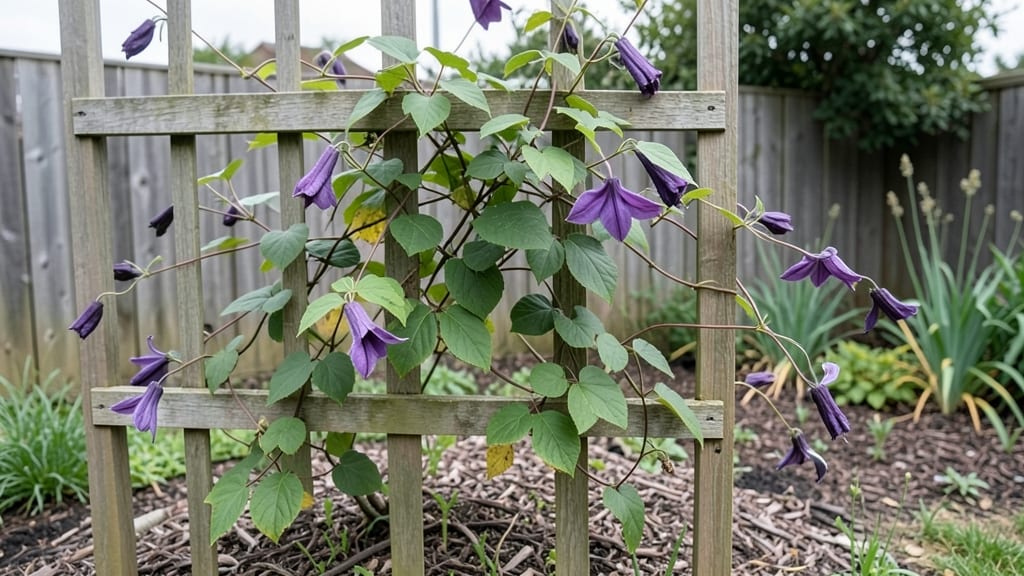
Flowery vine plants create instant drama in any garden, and some even keep pests at bay while you relax. 🌿 I learned the hard way that the right vine in the right spot transforms a plain fence into a living tapestry—while cutting down on aphids and squash bugs naturally.
The key is matching fast-growing climbers like morning glories to trellises or letting wisteria sprawl over pergolas for that "I woke up in a storybook" effect.
Start with low-maintenance options like clematis or honeysuckle if you're new to vines—they thrive with minimal fuss and bloom reliably. For year-round interest, pair spring-blooming jasmine with summer clematis and add evergreen ivy for winter structure.
Most vines need 6 hours of sun daily, but some like morning glories tolerate partial shade, making them versatile for different garden spots.
You'll end up with a garden that feels like a secret garden—fragrant, colorful, and buzzing with pollinators. The best part? These vines act as living pest barriers, keeping bugs away from your veggies while adding vertical interest that makes small spaces feel grand.
Just be prepared for some vines to grow 10+ feet per season—they're not shy about claiming their space.
Works for everything from urban balconies to country backyards, and adapts to different climates. The only real mistake is not starting sooner—your garden will thank you for the shade, beauty, and natural pest control. Let's get those vines growing!
📚 In This Guide
- What you need
- Instructions
- Tips and common mistakes
- Wrapping up and next steps
What you need
- ● Flowery vine plants: Choose from pest-repelling varieties like Nasturtiums, Morning Glories, Sweet Peas, or Honeysuckle. Buy 3–5 healthy plants (or seeds for DIY growing).
- ● Potting soil: 5–10 gallons of well-draining, organic potting mix (or garden soil amended with compost).
- ● Containers or garden space: Containers: 2–4 large pots (12–18 inches deep) with drainage holes, or trellises for climbing vines.
- ● Garden beds: Ensure 6+ inches of loose soil and full sun to partial shade (6+ hours/day).
- ● Fertilizer: Balanced organic fertilizer (10-10-10) or compost tea for nutrient boosts.
- ● Mulch: 2–3 inches of organic mulch (straw, bark, or shredded leaves) to retain moisture.
- ● Basic gardening tools: Trowel or hand shovel
- ● Pruning shears (for trimming vines)
- ● Gloves (to protect hands from thorns or soil)
- ● Watering can or hose: With a gentle spray nozzle for delicate vines.
- ○ Trellis or support structure: Optional but recommended for climbing vines (e.g., bamboo stakes, metal arches, or a DIY wooden frame).
- ○ Pest control (preventative): Neem oil spray (optional for fungal prevention)
- ○ Ladybugs or lacewing larvae (optional for natural pest deterrence).
- ● Knowledge: Basic understanding of your climate’s planting zones (USDA 3–10) and vine growth habits.
Step-by-Step guide to cultivating flowery vine plants for pest-resistant canopies
Transform your garden into a fragrant, pest-repelling haven with these vibrant climbing companions.
🌱 Step 1: Select and Prepare the Right Vine Varieties
Choose fast-growing, fragrant vines like clematis, jasmine, or morning glories—they thrive in most climates and naturally deter pests with their strong scents. I always opt for disease-resistant cultivars (check labels for mildew resistance) to avoid future headaches. Plant in well-draining soil enriched with 2-3 inches of compost—this ensures strong root development before vines take off.
For immediate pest control, prioritize nasturtiums or sweet peas—their bright blooms attract beneficial insects while their foliage confuses aphids. Plant these first, as they establish quickly and provide instant ground cover. Avoid planting vines in low-lying areas where water pools; even hardy varieties like wisteria struggle with soggy roots.
🪴 Step 2: Install Support Structures and Plant Strategically
Set up trellises, arbors, or pergolas before planting—vines need sturdy support to climb and spread efficiently. I use powder-coated metal trellises for durability, especially for heavy vines like passionflower or bougainvillea. Position supports within 1 foot of planting spots to minimize root disturbance later.
Plant vines 6-12 inches from supports, depending on maturity size. Dig holes twice as wide as the root ball but only as deep as the container’s base—burying too deep suffocates roots. Mix 1 cup of bone meal into the backfill soil to boost phosphorus for vigorous growth. Water deeply after planting to settle soil around roots.
☀️ Step 3: Optimize Light and Water for Pest-Repellent Growth
Most fragrant vines thrive in full sun (6+ hours daily), but jasmine and clematis tolerate partial shade—critical for northern climates. I place morning glories in east-facing spots to avoid afternoon sun scorching. Monitor leaf color: pale green means more light; yellowing signals overwatering.
Water deeply 2-3 times weekly until top 2 inches of soil feel dry—vines hate soggy roots but also despise drought stress. Mulch with 2 inches of shredded bark to retain moisture and deter crawling pests like slugs. Avoid wetting foliage when watering; damp leaves invite fungal issues that weaken pest resistance.
✂️ Step 4: Prune and Train for Maximum Pest-Repelling Canopy
Prune early spring to remove dead growth and shape vines. For clematis, cut back 1/3 of last year’s growth to encourage bushier, flower-heavy new growth. I always sterilize pruners with rubbing alcohol to prevent disease spread—this is non-negotiable for long-term health.
Train vines upward by tying stems to supports with soft twine every 6-8 inches. This creates an airy canopy that pests avoid. Deadhead spent blooms weekly to redirect energy into new flowers—more blooms mean stronger scent and better pest deterrence. Watch for yellowing leaves (nutrient deficiency) or stunted growth (overcrowding).
💧 Step 5: Maintain Season-Long Pest Control Through Natural Methods
Apply neem oil spray monthly to deter soft-bodied pests like aphids—this mimics the vines’ natural pest-repelling compounds. I mix 1 tablespoon neem oil with 1 quart water and a drop of dish soap for even coverage. Spray early morning or evening to avoid burning foliage in direct sun.
Encourage beneficial insects like ladybugs by planting dill or fennel nearby—they prey on vine pests without harming the plants. Rotate companion plants seasonally: marigolds in summer, garlic chives in fall. This layered defense keeps pests at bay while enhancing the garden’s aesthetic and functionality.
Tips & tricks for perfect flowery vine plant canopies
Here's what I've learned after years of growing fragrant vines that actually work as pest deterrents.
Soil Preparation Secret: The 2-3 inches of compost in Step 1 isn't just about nutrients—it's about creating the right soil structure. I always mix in 1 part perlite to 3 parts compost for improved drainage, especially for wisteria which hates soggy roots. Test your soil's pH too: most fragrant vines prefer 6.0-7.0. If your soil is heavy clay, consider raised beds for better root development.
Support Structure Strategy: When positioning trellises in Step 2, think about the vine's mature size. For clematis, place supports 12 inches away—they'll need room to sprawl. I've found that oblique trellises (angled supports) work better than vertical ones for heavy vines like passionflower, as they distribute weight more evenly. Always bury support posts 12 inches deep for stability against summer winds.
Watering Wisdom: The 2-3 times weekly watering in Step 3 needs adjustment based on your climate. In hot summers, I water every other day but check the top 2 inches of soil first—if it's still damp, wait another day. Early morning watering is key: it gives foliage time to dry before evening, preventing fungal issues that weaken pest resistance. Consider drip irrigation to keep water off leaves entirely.
Pruning Precision: That early spring pruning in Step 4 is your chance to shape the vine's future. For clematis specifically, I cut back 1/3 of last year's growth but make the cuts just above outward-facing buds. This creates more blooms while maintaining the vine's natural structure. Sterilizing pruners with rubbing alcohol isn't just about disease—it prevents cross-contamination between different vine varieties if you're working with multiple types.
Pro Tips for Flowery Vine Plants
- Here's what I've learned after years of growing fragrant vines that actually work as pest deterrents.
- Soil Preparation Secret: The 2-3 inches of compost in Step 1 isn't just about nutrients—it's about creating the right soil structure.
- Support Structure Strategy: When positioning trellises in Step 2, think about the vine's mature size.
Frequently asked questions
Got questions about growing flowery vine plants to boost your garden’s natural pest control? You’re not alone!
Here are some of the most common queries—plus quick, actionable answers to help you thrive.
What are the best flowery vines for repelling pests naturally?
Top picks include morning glories (for aphids), nasturtiums (squash bugs), and sweet alyssum (whiteflies). Marigolds and cleome also deter pests with their strong fragrances. Plant them near vegetables or along fences for maximum effect!
How long does it take for flowery vines to start repelling pests?
Most vines begin attracting beneficial insects (like ladybugs or lacewings) within 4–6 weeks of planting, but full pest-deterrent benefits take 8–12 weeks. Fast growers like nasturtiums may show results sooner—just keep them blooming!
Can I grow flowery vines in containers or small spaces?
Compact varieties like dwarf morning glories or trailing lobelia thrive in pots (10"+ depth). Use trellises or hanging baskets to save space. Just ensure they get 6+ hours of sun and regular watering—containers dry out faster!
Why aren’t my flowery vines working as pest repellents?
Check these fixes:
- Deadheading spent blooms to encourage new flowers (pests target weak plants).
- Rotate crops yearly to prevent pest buildup.
- Ensure vines are healthy—pests target stressed plants. Water consistently and fertilize lightly.
- Combine with herbs like basil or mint for extra pest confusion!
What’s a low-maintenance alternative if I don’t want to deal with vines?
Try ground covers like creeping thyme (deters cabbage worms) or clumping plants such as catnip (repels fleas). Even lavender or rosemary in pots near entryways can help—no trellis required!
Wrapping up and next steps
Transforming your garden into a thriving, pest-resistant paradise with flowery vine plants is easier—and more rewarding—than you think! 🌿 From fragrant jasmine to bold morning glories, these vines don’t just add beauty; they create a natural defense system that keeps bugs at bay while boosting your space’s charm.
Whether you’re a seasoned gardener or just starting out, the key is starting small—pick one or two vines, give them love, and watch your garden flourish.
Ready to take the next step? Plant your first vine this weekend! Grab some seeds or cuttings, find the perfect trellis, and let nature do the rest. Your garden—and your local pollinators—will thank you! 🌸