
Companion Plants
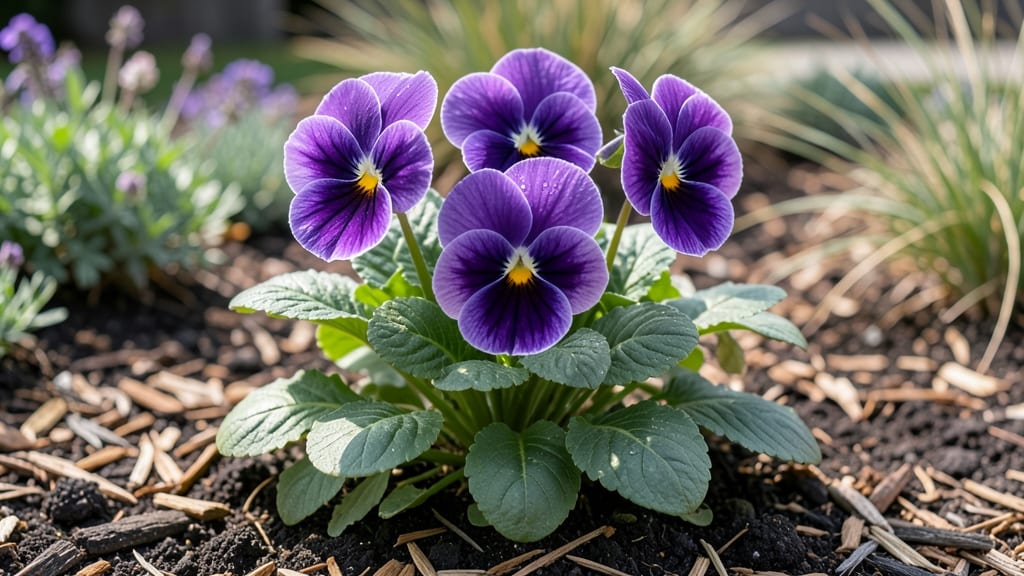
Growing giant pansy plants transforms your garden into a bold, year-round color show that thrives even when drought hits. 🌿 I’ve grown them in everything from containers to full sun beds, and these oversized blooms never fail to turn heads—especially when they keep flowering through winter.
The secret lies in their love for cool weather and well-drained soil, which most gardeners overlook.
You’ll need full sun to partial shade, rich but fast-draining soil, and a spot sheltered from harsh winds. Giant pansies (like ‘Mega’ or ‘Ice King’ series) grow 8–12 inches tall, so they outshine regular varieties.
Start seeds indoors 8–10 weeks before frost, or plant young plants in early fall for winter blooms. The key? Water consistently but avoid soggy soil—they’ll wilt fast if their roots stay damp.
Once established, these plants reward you with vibrant, velvety blooms that last for months. Pinch back leggy stems early to encourage bushier growth, and feed lightly with balanced fertilizer every 4–6 weeks.
In hot climates, provide afternoon shade to keep them flowering. The best part? They self-seed reliably, so you’ll get free plants year after year.
Perfect for borders, containers, or even as edging plants—they handle drought once rooted and bounce back from light freezes. Here’s how to keep them thriving through every season without the fuss. Let’s get those giant blooms growing!
📚 In This Guide
- What you need
- Instructions
- Tips and common mistakes
- Wrapping up and next steps
What you need
- ● Giant pansy seeds or seedlings: Choose Viola × wittrockiana varieties labeled as "giant" or "large-flowered" (e.g., 'Bee Boon,' 'Matrix,' or 'Cool Wave'). Aim for 5–10 plants for a vibrant display.
- ● Well-draining potting mix or garden soil: A blend of 50% garden soil, 30% compost, and 20% perlite or sand ensures proper drainage. For containers, use a high-quality seed-starting mix.
- ● Containers or garden bed: For containers: Use pots at least 6–8 inches deep with drainage holes. 3–5 plants per 12-inch pot works well.
- ● For garden beds: Space plants 8–12 inches apart in full sun to partial shade.
- ● Slow-release fertilizer: A balanced 10-10-10 or 20-20-20 formula (organic options like fish emulsion or compost tea are great too!). Apply at planting and again mid-season.
- ● Gloves and knee pads: Protect your hands and joints during planting.
- ● Hand trowel or transplanting spade: For digging and transplanting seedlings.
- ● Watering can or hose with a gentle spray nozzle: Pansies love consistent moisture but hate soggy roots!
- ○ Mulch (optional but recommended): Use 2–3 inches of shredded bark or straw to retain moisture and suppress weeds.
- ○ Pruning shears (optional): For deadheading spent blooms to encourage more flowers.
- ○ Shade cloth (optional): If growing in hot climates, use 30–50% shade cloth to protect from intense afternoon sun.
- ● Sunlight: 6–8 hours of direct sun per day (tolerates partial shade in hotter regions).
- ● Temperature: Pansies thrive in cool weather (40–75°F). In warm climates, plant in fall or spring to avoid summer heat stress.
- ● Watering routine: Keep soil consistently moist but not waterlogged. Water at the base of plants to avoid fungal diseases.
- ● Drought tolerance: While giant pansies are drought-resistant once established, young plants need regular watering.
Step-by-step guide to growing giant pansy plants
Here's the foolproof method I've used to grow bold, drought-tolerant pansies that bloom nonstop from spring through fall.
🌱 Step 1: Select the Right Variety and Planting Time
Choose a cold-hardy giant pansy variety like 'Ice Dance' or 'Majesty' series, which grow 6-8 inches tall with 3-4 inch blooms. Plant in early spring or late summer for two-season color—spring-planted pansies often survive mild winters and burst into bloom again in spring.
Pansies thrive in USDA Zones 3-11, making them one of the most versatile annuals. If you live in a hot climate, opt for the Heatwave series, which tolerates 90°F+ temperatures better than standard varieties. I always plant mine after the last frost date in my zone, which is typically mid-April.
🪴 Step 2: Prepare the Soil and Planting Location
Amend your garden soil with 2-3 inches of compost and work in a balanced 10-10-10 fertilizer at planting time. Pansies prefer well-draining soil with a pH between 5.8-6.5. If your soil is heavy clay, mix in 1 part perlite to 3 parts soil to improve drainage.
Choose a location with full sun to partial shade—morning sun with afternoon shade works best in hot climates. Too much afternoon sun can cause petal scorch, especially in summer. Space plants 8-12 inches apart to allow airflow and reduce disease risk. I plant mine in a raised bed for better drainage and to prevent soil-borne diseases.
💧 Step 3: Plant and Water for Establishment
Dig holes slightly deeper than the root ball and place each plant so the top of the root ball sits just below soil level. Gently firm the soil around the roots and water deeply to eliminate air pockets. Pansies establish quickly, so keep the soil evenly moist but not soggy for the first 2 weeks.
Water at the base of the plant in the morning to reduce fungal diseases. Avoid overhead watering, which can splash soil onto leaves and encourage powdery mildew. You'll know your pansies are settled in when new leaves emerge within 7-10 days and the plants look full and upright.
☀️ Step 4: Maintain for Continuous Blooms
Feed plants with a low-nitrogen, high-phosphorus fertilizer (like 5-10-10) every 4-6 weeks to encourage abundant flowering. Deadhead spent blooms by pinching them off at the base—this redirects energy to new flowers and keeps plants bushy. I deadhead mine every 2-3 days during peak bloom to maintain a tidy appearance.
Pansies are remarkably drought-tolerant once established, but they'll reward you with bigger blooms if you water 1 inch per week during dry spells. Mulch with 2 inches of shredded bark to retain moisture and suppress weeds. In hot climates, provide afternoon shade during the peak summer months to prevent wilting.
✂️ Step 5: Overwinter and Renew for Next Season
In colder climates, apply a 2-3 inch layer of straw mulch around plants after the first frost to insulate roots. Pansies often survive winter and rebloom in spring with minimal care. In warmer zones, they may go dormant in summer but typically recover with consistent watering when temperatures drop.
To extend the season, divide established plants in early spring by carefully lifting clumps, separating roots, and replanting. This rejuvenates older plants and gives you free starter plants for new locations. I always divide mine every 2-3 years to prevent overcrowding and ensure vigorous growth.
Tips & tricks for perfect giant pansy plants
A few key strategies will help you cultivate those showstopping, long-blooming pansies that outshine standard varieties. These are the secrets I've learned after growing these bold beauties for years—no more wilting disappointment, just vibrant color all season.
Variety Selection Matters: The 'Ice Dance' and 'Majesty' series aren't just pretty—they're built for durability. Their larger blooms (3-4 inches) actually handle heat better than smaller varieties because the petals have more surface area to reflect sunlight. For southern gardens, the Heatwave series is my go-to because it thrives at temperatures above 90°F, where regular pansies would crisp. I've seen them bloom continuously through summer heat waves when other flowers give up.
Soil Science for Success: That 2-3 inches of compost isn't just filler—it creates the perfect microbial environment for pansy roots. The 10-10-10 fertilizer ratio at planting gives them balanced nutrition without overwhelming them with nitrogen (which encourages leafy growth over blooms). For clay soil, the 1:3 perlite mix is critical—it prevents waterlogging that can rot those tender roots. I test my soil pH annually and adjust with lime or sulfur to keep it in that 5.8-6.5 range, because pansies are divas about their acidity.
Watering Wisdom: The first two weeks are make-or-break—those roots need even moisture to establish. I use a soaker hose set on a timer for 15 minutes daily rather than relying on rainfall, because pansies hate soggy feet. The morning watering rule is non-negotiable: wet leaves overnight create the perfect conditions for powdery mildew. Watch for those new leaves emerging within 7-10 days—that's your sign they're settled in and ready for less frequent watering.
Deadheading Discipline: I know it sounds tedious, but pinching off spent blooms every 2-3 days during peak bloom isn't just about looks—it's about redirecting energy. Each time you remove a faded flower, you're telling the plant, "Make another one!" I use clean, sharp scissors to avoid damaging stems, and I always cut just above the next set of leaves. This keeps plants bushy and encourages continuous flowering—my record is 12 weeks of nonstop blooms with consistent deadheading.
Pro Tips for Giant Pansy Plants
- A few key strategies will help you cultivate those showstopping, long-blooming pansies that outshine standard varieties.
- Variety Selection Matters: The 'Ice Dance' and 'Majesty' series aren't just pretty—they're built for durability.
- Soil Science for Success: That 2-3 inches of compost isn't just filler—it creates the perfect microbial environment for pansy roots.
Frequently asked questions
Got questions about growing giant pansy plants? You’re not alone! Here are some of the most common queries—plus straightforward answers to help you crush your garden goals with these drought-resistant beauties.
Can giant pansies survive winter in cold climates?
Giant pansies are hardy annuals that thrive in USDA zones 5–11. In colder regions (zones 4–5), mulch heavily with straw or leaves to protect roots. For extra insurance, plant them in containers and move them indoors or under a cold frame during freezes. They’ll bounce back come spring!
How long does it take for giant pansies to bloom after planting?
Patience pays off! With proper care, giant pansies typically bloom 6–8 weeks after transplanting (or 4–6 weeks from seed if started indoors). For year-round color, stagger plantings every 2–3 weeks. Pro tip: Deadhead spent blooms to encourage nonstop flowering!
Do giant pansies need frequent watering?
Not at all—they’re drought-tolerant once established! Water deeply 1–2 times per week (more in extreme heat) to encourage strong roots. Overwatering can lead to root rot, so ensure well-draining soil. Bonus: Their silvery foliage reflects sunlight, reducing evaporation.
What companion plants pair best with giant pansies?
Giant pansies play well with others! Try pairing them with:
- Drought-lovers: Lavender, sedum, or Russian sage
- Edibles: Lettuce, spinach, or radishes (they tolerate pansies’ shade)
- Perennials: Heuchera (coral bells) or hostas for texture
Why are my giant pansy leaves turning yellow or spotted?
Yellowing leaves often signal overwatering or fungal issues (like downy mildew). Improve airflow by spacing plants 8–12 inches apart and avoid wetting foliage. For spots, treat with neem oil or copper fungicide. Prevention tip: Rotate plants annually to prevent soil-borne diseases.
Wrapping up and next steps
Giant pansy plants are a game-changer for adding bold, vibrant color to your garden while thriving in drought conditions—whether you’re a seasoned gardener or just starting out! 🌸 Their versatility, low-maintenance nature, and year-round appeal make them a must-have for any landscape.
With the right care, these beauties will reward you with stunning blooms and effortless charm.
Ready to transform your space? Start by selecting your favorite varieties, prepping your soil, and planting with confidence. Your garden’s next masterpiece is just a seed (or transplant) away! 🌱