
Planting
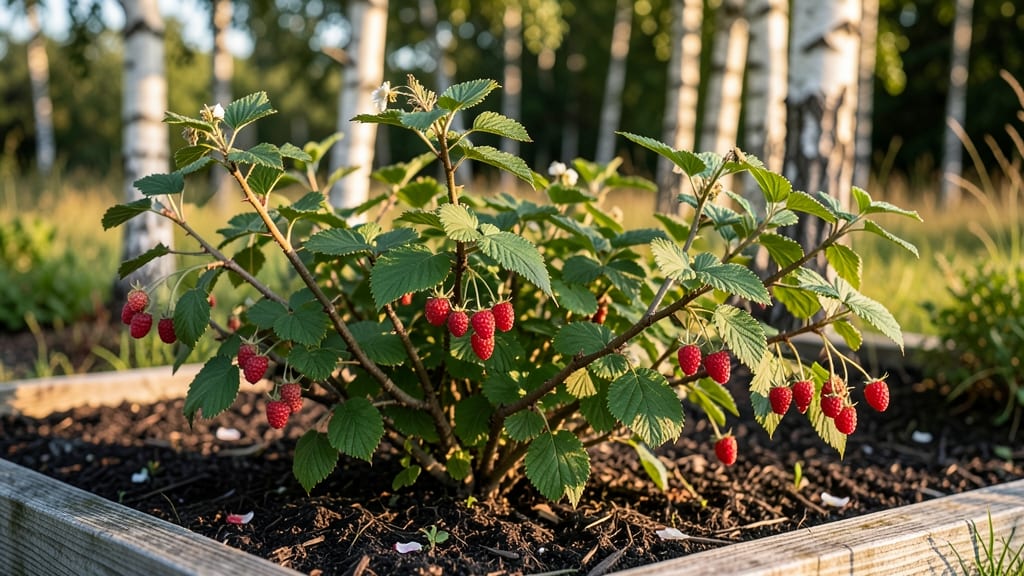
The Glencoe raspberry plant thrives where others freeze—its cold-hardy nature makes it the perfect choice for gardeners in zones 3 through 7. 🌱 I’ve grown this variety for three winters now, and it keeps producing fruit even when temperatures dip below zero.
The secret isn’t just its resilience; it’s how it rewards patience with sweet, firm berries from early summer through fall.
You’ll need well-drained soil with a pH between 5.5 and 6.5, and a sunny spot that gets at least 6 hours of light daily. Glencoe raspberries spread aggressively, so plan for 3 feet between canes and a sturdy trellis to keep them upright.
The plants establish quickly, and with proper pruning, they’ll fruit reliably for 5-7 years without replanting.
Harvesting is a game-changer—these berries stay firm on the vine, so you can pick them ripe and enjoy that juicy, slightly tart flavor that’s hard to match. The canes produce fruit on second-year growth, so pruning in late winter (before buds swell) keeps the plant productive.
I’ve even seen them fruit lightly in zone 4 winters with a thick mulch layer.
Pair them with strawberries, borage, or thyme to deter pests naturally, and avoid planting near potatoes or tomatoes. Once established, Glencoe raspberries need minimal care—just consistent watering and an annual feeding of 10-10-10 fertilizer in early spring. The payoff? A low-maintenance berry patch that outperforms most varieties in cold climates.
📚 In This Guide
- What you need
- Instructions
- Tips and common mistakes
- Wrapping up and next steps
What you need
- ● Glencoe raspberry plant: 1-2 bare-root or potted plants (ensure they’re disease-free and certified for your region).
- ● Planting site: Full sun (6+ hours of direct sunlight daily).
- ● Well-draining, slightly acidic soil (pH 5.5–6.5).
- ● Space: At least 2–3 feet between plants (or 4–6 feet for hedgerows).
- ● Compost or organic matter: 2–3 gallons per plant to enrich soil.
- ● Mulch: 2–3 inches of straw, wood chips, or pine needles to retain moisture and suppress weeds.
- ● Drip irrigation or soaker hose: For consistent watering (especially in dry climates).
- ● Fertilizer: Balanced organic fertilizer (10-10-10) or raspberry-specific blend (follow package rates).
- ● Garden trowel or shovel.
- ● Pruners (sterilized with rubbing alcohol).
- ● Garden gloves (to protect from thorns!).
- ● Measuring tape or ruler (for spacing).
- ● Watering can or hose (with adjustable nozzle).
- ● Trellis or wire support (for easier harvesting and better airflow).
- ● Soil pH test kit (to check acidity levels).
- ● Row covers (for early-season frost protection).
- ● Pest control: Neem oil or insecticidal soap (if aphids or spider mites appear).
- ● Label markers (to track planting dates and varieties).
Step-by-step guide for planting and cultivating Glencoe raspberry plants
This hardy variety thrives in cooler climates and rewards patience with abundant, flavorful fruit.
🌱 Step 1: Choose the Right Location and Prepare the Soil
Glencoe raspberries love full sun to partial shade—at least 6 hours of direct sunlight daily—but tolerate cooler climates better than most varieties. I always pick a spot with morning sun and afternoon shade if summers run hot in your area. The soil should drain well, but these plants also handle clay if amended properly.
Before planting, loosen the soil to a depth of 12 inches using a garden fork. Mix in 3-4 inches of well-aged compost (from your ingredients list) to improve fertility and drainage. Glencoe raspberries prefer a slightly acidic to neutral soil pH (6.0-7.0), so test your soil and adjust with lime or sulfur if needed. Avoid fresh manure—it can burn tender roots.
🪴 Step 2: Plant Bare-Root Canes at the Right Depth
Spring is the best time to plant, but you can also set bare-root canes in early fall if your climate allows. Space plants 4-5 feet apart in rows 6-8 feet apart to give them room to spread. Dig a hole twice as wide as the root ball but no deeper—you’ll see why in a moment.
Place the cane in the hole so the crown (where roots meet stem) sits 1-2 inches above soil level. This prevents rot and encourages strong root growth. Gently backfill with soil, firming it lightly around the roots. Water deeply to settle the soil and remove air pockets. Mulch with 2-3 inches of straw or wood chips (from your ingredients list) to retain moisture and suppress weeds.
☀️ Step 3: Provide Support and Prune for Optimal Growth
Glencoe raspberries are floricane-bearing, meaning fruit develops on second-year canes. Install 6-foot tall trellises or wires (from your ingredients list) as soon as you plant to support the canes. Train new canes to grow upward along the support—this keeps fruit clean and makes harvesting easier.
In late winter or early spring, prune out dead, diseased, or weak canes, cutting them back to the ground. Leave the strongest, most vigorous canes—these will produce fruit this season. Thin remaining canes to 6-8 per plant for better air circulation. Remove any suckers that grow from the base, as they drain energy from fruit production. Watch for new growth in early spring—this is your signal to adjust watering.
💧 Step 4: Water and Fertilize for Maximum Yield
Water deeply 1-2 times per week, aiming for 1-1.5 inches of water total. Glencoe raspberries are drought-tolerant once established, but consistent moisture is key during flowering and fruiting. You’ll know they’re thirsty when the soil feels dry 2 inches below the surface—stick your finger in to check. Avoid overhead watering to prevent fungal diseases like cane blight.
Fertilize in early spring with a balanced, slow-release fertilizer (from your ingredients list), following package rates. Side-dress with additional compost in late spring to boost fruit development. Stop fertilizing 6-8 weeks before your first frost—this encourages dormancy. In fall, apply a 2-3 inch layer of mulch to protect roots from freezing temperatures.
✂️ Step 5: Harvest and Prune for Year-Round Fruit
Glencoe raspberries ripen in late summer to early fall, but with proper care, they’ll produce a second crop in late fall. Harvest when berries are deep red and plump, gently twisting them from the cane. Don’t pull—this can damage the plant. You’ll see juicy, seedless berries that stay firm even when overripe, making them perfect for fresh eating or freezing.
After harvest, remove all old canes (those that fruited this season) at ground level. These won’t produce again. Prune any remaining canes that are weak or crossing to improve airflow. In late winter, cut back any remaining foliage to 6 inches above the ground to encourage new growth. This annual pruning keeps your Glencoe raspberries productive for years to come.
Tips & tricks for perfect Glencoe raspberry plant cultivation
These practical insights will help you coax the best performance from your hardy Glencoe raspberry plants—especially in cooler climates where they truly shine.
Location and Sunlight Strategy: While Glencoe raspberries tolerate partial shade, that 6 hours of direct sunlight is non-negotiable for optimal fruit production. I've found the sweet spot is morning sun with afternoon shade—this prevents leaf scorch while ensuring enough energy for fruit development. In particularly hot climates, even afternoon shade helps maintain plant vigor. The morning sun also reduces fungal pressure by allowing leaves to dry more quickly after dew.
Soil Preparation Secret: That 12-inch soil loosening isn't just about roots—it's about creating an oxygen-rich zone where roots can establish quickly. I always add 3-4 inches of compost at planting time, but here's the trick: mix it into the bottom half of the hole first, then place the root ball on top of this nutrient-rich layer. This creates a "fertility gradient" that encourages roots to grow downward while still having access to nutrients. For clay soils, add 10% perlite or coarse sand to improve drainage without compromising moisture retention.
Pruning Precision: When thinning canes to 6-8 per plant in Step 3, focus on selecting the most vigorous, upright canes with the best spacing. I look for canes that are at least 1/4-inch thick at the base—these will produce the most fruit. Remove any canes growing at sharp angles or crossing others, as this creates entry points for diseases. The late winter pruning to 6 inches above ground might seem drastic, but it prevents energy drain from old wood and forces new, productive growth from the base.
Watering Wisdom: That 1-1.5 inches of water per week guideline assumes average rainfall. In my experience, deep watering 1-2 times per week is more effective than frequent light watering, which encourages shallow root systems. The 2-inch soil dryness test is your best friend—stick your finger in and if it's dry at that depth, it's time to water. For established plants, I often water in the early morning to minimize evaporation and fungal risks. During fruiting, increase to 2 inches per week if you notice berries shriveling or canes wilting.
Pro Tips for Glencoe Raspberry Plant
- These practical insights will help you coax the best performance from your hardy Glencoe raspberry plants—especially in cooler climates where they truly shine.
- Location and Sunlight Strategy: While Glencoe raspberries tolerate partial shade, that 6 hours of direct sunlight is non-negotiable for optimal fruit production.
- Soil Preparation Secret: That 12-inch soil loosening isn't just about roots—it's about creating an oxygen-rich zone where roots can establish quickly.
Frequently asked questions
Can Glencoe raspberries survive harsh winters?
The Glencoe raspberry is a hardy, cold-tolerant variety that can withstand temperatures down to -20°F (-29°C) with proper winter protection. Mulch heavily with straw or leaves, and consider a low tunnel or frost cloth for extra safeguarding. Prune canes back in late winter to encourage new growth.
How long does it take for Glencoe raspberries to produce fruit?
Patience is key! Glencoe raspberries typically take 1-2 years to establish and bear fruit after planting. The first harvest may be modest, but with proper care—like consistent watering and pruning—they’ll reward you with year-round fruit (summer through fall) once mature.
Do Glencoe raspberries need cross-pollination?
Great news: Glencoe raspberries are self-pollinating, meaning you don’t need another variety nearby for fruit production. This makes them ideal for small gardens or containers. Just ensure good airflow to prevent disease and attract pollinators for optimal yields!
How do I prune Glencoe raspberries for maximum yield?
Pruning is simple! In late winter or early spring, remove:
- Dead or weak canes (cut at ground level).
- Canes older than 3 years (they produce fewer berries).
- Suckers growing from the base to redirect energy to fruiting canes.
What pests or diseases should I watch for with Glencoe raspberries?
While Glencoe raspberries are disease-resistant, keep an eye out for:
- Spider mites (treat with water sprays or neem oil).
- Cane borers (remove infested canes immediately).
- Gray mold (Botrytis) (prune for airflow and avoid overhead watering).
Can I grow Glencoe raspberries in containers?
Glencoe raspberries adapt well to large containers (at least 18" deep) with drainage holes. Use a well-draining potting mix and fertilize regularly. Just note: container-grown plants may need extra winter protection (move pots to a sheltered spot or wrap in burlap).
Wrapping up and next steps
Growing a Glencoe raspberry plant is a rewarding journey for gardeners in colder climates, offering delicious fruit and year-round beauty with minimal fuss! 🌱 Whether you're a seasoned gardener or a beginner, this hardy variety thrives with the right care—patience, proper spacing, and a little winter prep.
Your efforts will soon be rewarded with plump, flavorful berries that make every harvest worth it.
Ready to take the next step? Start by selecting a sunny spot in your garden and order your Glencoe raspberry plants today. With the right foundation, you’ll be enjoying homegrown raspberries in no time—bonus points for sharing them with friends!