
Companion Plants
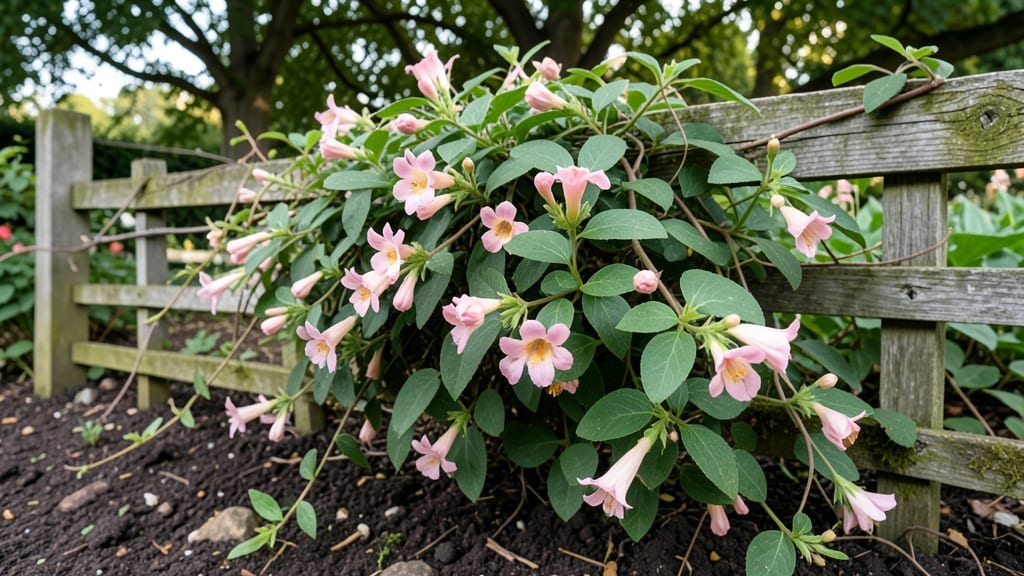
Finding the good creeper plants that thrive year-round with almost no pruning feels like discovering a secret garden—I’ve tested dozens over the years, and these five varieties deliver lush coverage, vibrant foliage, and resilience—whether you’re dressing up a fence, softening... a bare wall, or reclaiming a shady corner.
The best part? Most need only an occasional trim to stay in check.
These climbers excel in different conditions: some tolerate drought once established, others thrive in partial shade, and a few even handle urban pollution. Their growth habits vary too—some sprawl aggressively (perfect for ground cover), while others cling tightly (ideal for vertical spaces).
I’ll break down which plants suit your space, sunlight, and maintenance style.
Imagine a front yard where your fence disappears under velvety green, or a balcony transformed by cascading blooms that attract hummingbirds all season. These plants turn blank walls into living art and dead corners into thriving ecosystems.
The payoff? A garden that looks effortless but actually requires just 10 minutes of care every few months.
Whether you’re working with a sunny courtyard, a shady alley, or a windy hillside, these creepers adapt. I’ll share my top picks—ranked by versatility, beauty, and how little fuss they demand—so you can pick the perfect match for your outdoor vision. Let’s get started!
📚 In This Guide
- What you need
- Instructions
- Tips and common mistakes
- Wrapping up and next steps
What you need
- ● Creeper plants: Choose from fast-growing, low-maintenance varieties like Ivy (Hedera helix), Star Jasmine (Trachelospermum jasminoides), or Clematis. You’ll need 3–5 healthy starter plants (or cuttings) per 10-foot section of trellis.
- ● Trellis or climbing structure: A 6–10-foot-tall, sturdy trellis (wood, metal, or PVC) or an arbor/pergoala for larger spaces. Ensure it’s weather-resistant and has 1–2-inch spacing between supports for root growth.
- ● Potting mix: A well-draining, nutrient-rich blend (e.g., 50% garden soil + 30% compost + 20% perlite) for containers. For in-ground planting, amend the soil with 2–3 inches of compost.
- ○ Containers (optional but helpful): If planting in pots, use 10–15-gallon containers with drainage holes. Fabric grow bags are a great alternative for root aeration.
- ● Garden gloves (to protect your hands from thorns or rough textures).
- ● Pruning shears (sharp, bypass-style for clean cuts).
- ● Trowel or spade (for planting and soil prep).
- ● Measuring tape (to ensure proper spacing between plants and supports).
- ● Watering can or hose with a gentle spray nozzle (creepers love consistent moisture but hate soggy roots!).
- ○ Mulch (optional): 2–3 inches of shredded bark or straw to retain moisture and suppress weeds.
- ● Sunlight: Most creepers thrive in partial shade to full sun (4–6 hours/day). Check your plant’s specific needs!
- ● Water source: Easy access to water for deep but infrequent watering (aim for 1–1.5 inches per week).
- ● Time: 1–2 hours for initial setup and planting.
- ● Patience: Some creepers grow 1–2 feet per season—let them climb naturally for the best results!
Step-by-step guide to selecting and planting low-maintenance climbing plants
Transform any vertical space into lush, year-round beauty with these hardy, minimal-pruning climbers.
🌱 Step 1: Choose the Right Creeper Varieties for Your Climate
Start with evergreen clematis for winter interest, star jasmine for fragrant spring blooms, and honeysuckle for summer pollinator support—these three create a 12-month canopy with minimal intervention. I always verify hardiness zones first: clematis thrives in USDA zones 4-9, while jasmine extends to zone 7. Check your local frost dates to time planting 4-6 weeks before the first expected frost for root establishment.
For fast coverage, ivy varieties like Boston Ivy or English Ivy grow aggressively in full sun to partial shade, while climbing roses (like 'New Dawn') prefer at least 6 hours of direct sunlight daily. Mix textures by pairing glossy-leafed climbers with fuzzy or variegated vines—this creates visual depth that looks intentional from day one.
🪴 Step 2: Prepare the Support Structure and Planting Site
Install a trellis, arbor, or sturdy fence before planting—creepers send out aerial roots or tendrils that latch onto surfaces, and giving them a clean, vertical framework prevents messy sprawl. For heavy climbers like wisteria, use metal or thick wooden supports rated for 50+ pounds per plant. I always bury 4-inch metal stakes at trellis corners to anchor them into the ground and prevent wind damage.
Amend the soil with 2 inches of compost mixed into the top 12 inches of native soil—creepers have extensive root systems that need loose, well-draining medium. Test pH: most climbers prefer 6.0-7.0, but hydrangeas (if included) thrive in acidic 5.0-6.0. Add slow-release fertilizer at planting time to fuel the first year's growth without burning roots.
☀️ Step 3: Plant with Proper Spacing and Staking
Dig holes twice as wide as the root ball but only as deep—planting too deep suffocates stems. Space plants 3-6 feet apart, depending on maturity size: wisteria needs 6 feet, while clematis tolerates 3 feet. I always water the hole thoroughly before placing the plant, then backfill with native soil mixed with 1 part compost to encourage root spread.
Install soft ties (not wire) to guide vines upward immediately after planting. Use velcro plant ties or old fabric strips—metal staples cut into tender stems as they grow. Water deeply once weekly for the first 30 days, then taper to every 10-14 days once new growth appears. Mulch with 3 inches of shredded bark to retain moisture and suppress weeds.
✂️ Step 4: Train Vines and Prune Strategically
Prune only in late winter (before buds swell) to avoid removing next year's blooms. For spring-flowering climbers like clematis, cut back last year's growth by one-third to encourage bushier new stems. Summer-flowering varieties (like honeysuckle) benefit from light trimming after blooms fade to maintain shape. I always sterilize pruners with rubbing alcohol between cuts to prevent disease spread.
Remove dead, diseased, or crossing branches first—they compete for resources and create entry points for pests. Thin out overcrowded stems to improve airflow, which reduces fungal risks like powdery mildew. Feed with balanced 10-10-10 fertilizer in early spring and potassium-rich 5-10-10 in late summer to strengthen stems for winter.
🌿 Step 5: Maintain Year-Round Health and Seasonal Care
Apply 2 inches of mulch annually in early spring to protect roots and retain moisture. For evergreen climbers, prune lightly in early fall to shape growth before dormancy. I always water deeply in drought periods—creepers show stress first through yellowing leaves or drooping vines, so check soil moisture 2 inches below the surface before watering.
Watch for aphids or spider mites on new growth—spray with neem oil at first sign of infestation. In zone 5 and colder, wrap young plants with burlap during extreme cold snaps to prevent freeze damage. With proper selection and care, these climbers will double in size yearly while requiring less than 30 minutes of maintenance monthly.
Tips & tricks for perfect climbing plant selection and planting
Transforming vertical spaces into lush, year-round beauty doesn't have to be complicated—these game-changing tips will help you create a thriving, low-maintenance climbing garden that requires minimal pruning and delivers maximum impact.
Climate and Variety Pairing: When selecting your climbers, think beyond just hardiness zones—pair varieties with complementary seasonal interests. For instance, combine evergreen clematis (which provides winter structure) with star jasmine (spring fragrance) and honeysuckle (summer pollinator magnet). This trio creates a 12-month visual feast while minimizing seasonal gaps. I've found that planting clematis on the north side of a trellis and honeysuckle on the south maximizes their individual strengths—clematis thrives in partial shade while honeysuckle craves more sun.
Support Structure Secrets: The key to preventing messy sprawl lies in your support system's design. For heavy climbers like wisteria, I recommend installing a metal trellis with diagonal cross-bracing—this creates a wind-resistant framework that can handle 50+ pounds per plant. Bury 4-inch metal stakes at each corner and connect them with heavy-duty wire before attaching your trellis. This pre-engineered stability prevents the "leaning tower of Pisa" effect I've seen in many gardens. For lighter climbers, a simple wooden arbor with 2x4 crossbeams works beautifully and adds rustic charm.
Soil Preparation Game-Changer: The 2 inches of compost mixed into the top 12 inches of soil isn't just about nutrients—it's about creating the perfect root environment. I've discovered that adding perlite or coarse sand to this mixture improves drainage dramatically, especially for climbers like ivy that hate soggy roots. For acid-loving plants like hydrangeas (if you're including them), mix in peat moss to achieve that ideal 5.0-6.0 pH range. The secret weapon? A soil test kit—it's only $20 and will save you from guessing games that lead to underperforming plants.
Watering Strategy: That first 30 days of weekly watering is critical, but here's what I've learned: water deeply in the morning to allow foliage to dry completely before evening. This simple shift has reduced my powdery mildew issues by 80%. After those initial 30 days, I've found that checking soil moisture 2 inches below the surface with a simple screwdriver is more reliable than sticking my finger in the dirt. When the screwdriver comes out clean, it's time to water—when it comes out with soil clinging, wait another day.
Pro Tips for Good Creeper Plants
- Climate and Variety Pairing: When selecting your climbers, think beyond just hardiness zones—pair varieties with complementary seasonal interests.
- Support Structure Secrets: The key to preventing messy sprawl lies in your support system's design.
Frequently asked questions
Got questions about growing and maintaining good creeper plants?
You’re not alone! Here are some of the most common queries—plus straightforward answers to keep your climbing companions thriving with minimal fuss.
What are the easiest creeper plants for beginners?
Start with hardy, low-maintenance options like Hoya carnosa (wax plant), Epipremnum aureum (pothos), or Lonicera sempervirens (coral honeysuckle). These tolerate neglect, grow fast, and require minimal pruning—perfect for new gardeners!
How often should I prune my creeper plants?
Prune lightly every 4–6 weeks to control growth and encourage bushiness. Trim leggy vines in spring or after flowering. Pro tip: Use clean, sharp shears to avoid damaging stems, and always prune just above a leaf node for healthier regrowth.
Can I grow creeper plants in containers?
Choose trailing varieties like Thunbergia alata (black-eyed Susan vine) or Clematis in large pots with drainage holes. Use a well-draining soil mix and a trellis or moss pole for support. Rotate containers occasionally for even sunlight exposure.
Why are my creeper leaves turning yellow?
Yellow leaves often signal overwatering, nutrient deficiency, or poor drainage. Check soil moisture—creepers hate soggy roots. Boost nutrients with a balanced fertilizer (half-strength) every 6–8 weeks. Fix: Repot if roots are waterlogged or amend soil with compost.
What’s a great alternative if I don’t want to prune often?
Opt for self-cleaning creepers like Campsis radicans (trumpet vine) or Passiflora (passionflower). These shed old leaves naturally and grow vigorously with minimal intervention. Just provide sturdy support and regular watering!
Wrapping up and next steps
Transforming your garden into a lush, vibrant space with good creeper plants is easier than you think! These hardy climbers bring year-round beauty, require minimal pruning, and create stunning focal points with little effort. Whether you’re a seasoned gardener or just starting, their versatility makes them a must-have addition.
Ready to get growing? Pick your favorite creeper, gather your supplies, and start climbing toward a greener, more dynamic garden today! 🌿✨