
Pruning
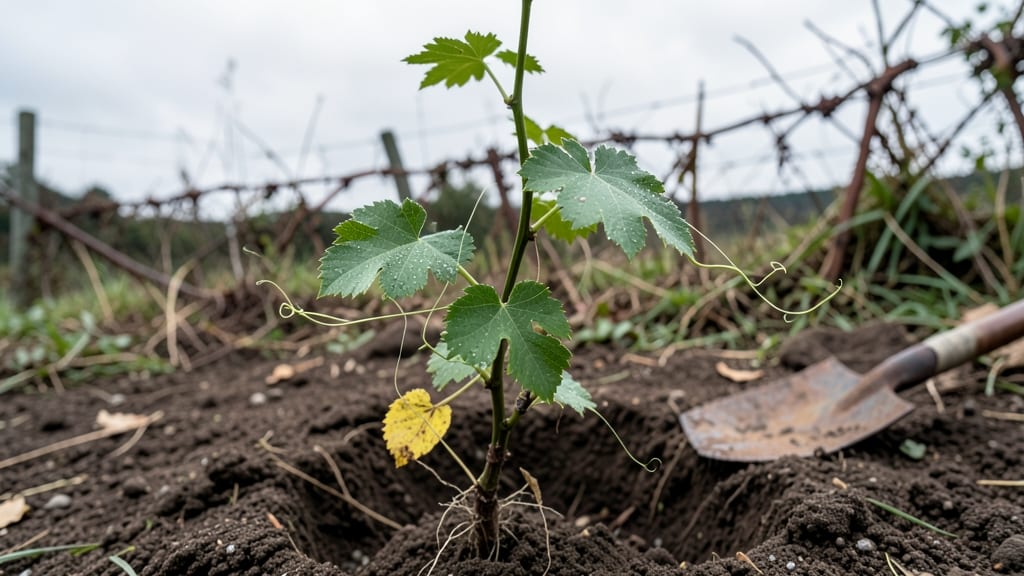
Planting grape trees is where the real magic happens—when you see those first tendrils climb and the vines start their slow, steady march toward a bountiful harvest. 🌿 I’ve planted my share of struggling vines over the years, and the difference between a thriving orchard and a sad, sparse one often comes down to the first few weeks in the ground.
The right spot matters more than you’d think: full sun for at least 6 hours daily, well-draining soil, and protection from harsh winds. If your yard is shady or rocky, containers work too—just pick a sturdy, 5-gallon minimum pot with drainage holes.
Dig a hole twice as wide as the root ball but no deeper, then mix in compost to give those roots a nutrient boost from day one.
Watering is where beginners trip up—grape roots need deep, infrequent drinks, not daily sips. After planting, soak the soil until it’s damp 12 inches down, then repeat every 7-10 days unless rain does the work.
Mulch around the base to lock in moisture and keep weeds at bay. Within a year, you’ll have a sturdy framework for vines that’ll reward you for years.
Timing is key too: late winter or early spring lets roots establish before summer heat hits. Avoid fall planting in cold zones—frost can damage tender new growth. And here’s the secret weapon: prune back one-third of the top growth right after planting to encourage stronger root development.
That first harvest might be small, but the vines will thank you.
📚 In This Guide
- What you need
- Instructions
- Tips and common mistakes
- Wrapping up and next steps
What you need
- ● Grapevine plants: 1–3 healthy, disease-free bare-root or potted vines (choose cold-hardy varieties like Concord or Thompson Seedless for your climate).
- ● Well-draining soil: A mix of topsoil, compost, and perlite (or sand) to improve aeration. Aim for 6.0–6.5 pH.
- ● Organic mulch: 2–3 inches of wood chips or straw to retain moisture and suppress weeds.
- ● Fertilizer: A balanced 10-10-10 or 5-10-10 fertilizer (follow package rates for young plants).
- ● Support system: A T-trellis or kniffin trellis (DIY with 2x4 lumber or buy pre-made).
- ● Shovel or trowel: For digging holes (12–18 inches deep and wide).
- ● Pruning shears: Sharp, clean shears to trim roots and canes (sterilize with rubbing alcohol!).
- ● Garden hose or watering can: For thorough watering (aim for 1–2 gallons per plant after planting).
- ● Measuring tape or ruler: To ensure proper spacing (10–15 feet between vines for optimal airflow).
- ● Gloves and knee pads: For comfort and protection.
- ● Soil test kit to check pH and nutrient levels.
- ● Drip irrigation system for consistent watering.
- ● Epsom salt (magnesium sulfate) for yellowing leaves.
- ● Bird netting to protect fruit from pests.
Step-by-step instructions for planting a grape tree
Here's how I plant grape trees for strong, productive vines every time—no guesswork involved.
🌱 Step 1: Choose the Perfect Planting Spot
Grapes need full sun, so pick a location that gets at least 6-8 hours of direct sunlight daily. I always check the site in late afternoon when the sun is low—this reveals where shadows fall and helps me avoid planting in a spot that gets shaded later in the day. The soil should drain well, as grapes hate soggy roots. If your yard is heavy clay, choose a raised bed or mound the soil slightly to improve drainage.
Space your grape trees 12-15 feet apart to allow room for trellises and proper airflow. This prevents fungal diseases and makes harvesting easier. I sketch a quick layout with stakes to visualize the spacing before digging—trust me, it saves headaches later when the vines spread.
🪴 Step 2: Dig and Amend the Planting Hole
Dig a hole that's twice as wide and just as deep as the root ball of your grape tree. Loosen the soil at the bottom with a shovel or your hands—this helps roots spread out instead of circling. If your soil is poor, mix in a 5-gallon bucket of compost into the bottom of the hole to give the roots a nutrient boost right away.
Gently place the grape tree in the hole, ensuring the top of the root ball sits 1-2 inches above ground level. This prevents water from pooling around the stem and causing rot. Backfill with the native soil, pressing lightly as you go to remove air pockets. Water deeply to settle the soil around the roots.
☀️ Step 3: Install a Trellis or Support System
Grapes need support to grow upward and produce quality fruit, so install a trellis or sturdy posts within 2-3 feet of the tree at planting time. I use a simple T-trellis made from 4-foot wooden posts and 2 horizontal wires spaced 3-4 feet apart vertically. The top wire should be 5-6 feet high to accommodate the grapevine’s growth.
Train the main stem of the grapevine along the trellis as it grows, tying it loosely with soft plant ties or strips of old fabric. Avoid tight ties that can girdle the stem as it thickens. You’ll see the vine start to climb within a few weeks—that’s your cue to keep an eye on its progress and adjust ties as needed.
💧 Step 4: Water and Mulch for Long-Term Success
Water the newly planted grape tree deeply right after planting, then again every 3-4 days for the first 2-3 weeks to help the roots establish. After that, water once a week unless it’s extremely hot or dry, then increase to 2-3 times per week. You’ll know it’s time to water when the top 2-3 inches of soil feel dry.
Spread a 3-inch layer of mulch around the base of the tree, keeping it 6 inches away from the trunk to prevent rot. I use wood chips or straw because they break down slowly and retain moisture. Mulch helps regulate soil temperature and reduces weeds, which compete with your grapevine for nutrients.
✂️ Step 5: Prune and Train for the First Year
In the first year, focus on establishing a strong framework. Prune any weak or crossing branches to encourage upward growth. Leave 4-6 strong buds on the main stem to develop into next year’s fruiting wood. You’ll see new shoots emerge in spring—these are your future fruiting canes.
Once the vine reaches the top of the trellis, pinch off the tip to encourage branching. This creates a bushier plant that will produce more fruit in future seasons. Watch for suckers growing from the base or trunk—remove these immediately, as they drain energy from the main vine.
Tips & tricks for perfect grape tree planting
Planting grape trees is all about setting them up for long-term success—here's what I've learned to help your vines thrive from day one.
The Sunlight Secret: That 6-8 hours of sunlight requirement is non-negotiable for grapevines. I actually test potential spots by placing a white board where you plan to plant and checking it every few hours—this gives you a visual of how much direct light the area actually gets. Morning sun is ideal, but afternoon sun works too as long as it's consistent. If your yard has afternoon shade, consider planting near a south-facing wall to maximize sun exposure.
Root Ball Placement: The 1-2 inches above ground level for the root ball is crucial—it prevents water from pooling around the stem, which can cause rot. I make a small mound of soil in the center of the hole before placing the tree, then adjust the depth as I backfill. This ensures proper drainage while keeping the root ball elevated just right. Pro tip: Use a level to check that your tree isn't tilting after planting.
Trellis Timing: Installing that trellis within 2-3 feet of the tree at planting time gives the vine immediate support to grow upward. I actually bury the posts about 12 inches deep and stake them securely before planting the tree—this prevents shifting as the vine grows. The 5-6 feet height for the top wire seems tall, but trust me, your grapevine will reach it within a season if you're growing a vigorous variety.
Watering Wisdom: Those first 2-3 weeks are critical for root establishment, so I set a reminder on my phone for every 3-4 days. The "top 2-3 inches of soil feel dry" test works best in the morning—water if it feels dry at that time of day. For hot summers, I increase to twice weekly and always water deeply, aiming for about 1-2 gallons per watering to encourage deep root growth.
Pro Tips for Grape Tree Planting
- Planting grape trees is all about setting them up for long-term success—here's what I've learned to help your vines thrive from day one.
- The Sunlight Secret: That 6-8 hours of sunlight requirement is non-negotiable for grapevines.
- Root Ball Placement: The 1-2 inches above ground level for the root ball is crucial—it prevents water from pooling around the stem, which can cause rot.
Frequently asked questions
Got questions about planting grape trees? You’re not alone—growing grapes from scratch can feel tricky! Below, we’ve rounded up the most common queries to help you get started with confidence. Whether you’re wondering about timing, soil, or troubleshooting, we’ve got the answers you need.
When is the best time to plant a grape tree?
The ideal time to plant grape trees is in early spring (after the last frost) or late fall (at least 6 weeks before the first frost). This gives roots time to establish before extreme temperatures. Avoid planting in summer—heat stress can stunt growth. For container-grown grapes, you can plant year-round in mild climates!
Can I grow grape trees in containers, or do they need a yard?
Grape trees thrive in containers if given enough space (at least 15-gallon pots for dwarf varieties). Use well-draining soil and a pot with drainage holes. Just ensure they get 6+ hours of sunlight daily and prune regularly to control size. Containers are perfect for patios, balconies, or small spaces!
How much water do grape trees need, and how often should I water them?
Newly planted grape trees need deep watering 2–3 times per week for the first year to encourage root growth. Once established, water 1–2 times per week, providing 1–2 inches of water per session. Mulch around the base to retain moisture. Overwatering can lead to root rot, so always check soil moisture before watering.
What pests or diseases should I watch for, and how do I prevent them?
Common grape tree pests include aphids, spider mites, and Japanese beetles, while diseases like powdery mildew and black rot can be problematic. Prevent issues by pruning for airflow, using organic sprays (neem oil or insecticidal soap), and removing infected leaves promptly. Healthy soil and balanced fertilization also boost natural resistance!
How long does it take for a grape tree to bear fruit?
Most grape trees take 2–3 years to produce fruit, but some varieties (like Thompson Seedless) may bear grapes in 1–2 years with proper care. Patience is key—focus on pruning, sunlight, and soil health in the early years. Once fruiting begins, you’ll enjoy a bountiful harvest for decades!
Wrapping up and next steps
Planting a grape tree is a rewarding journey that blends patience, care, and a touch of passion 🌱. From selecting the right variety to mastering pruning techniques, each step brings you closer to a bountiful harvest.
With the right knowledge and tools, your vineyard dreams can become a delicious reality—so roll up your sleeves, get planting, and enjoy the sweet fruits of your labor!
🌿 Next Steps:
- Mark your calendar for seasonal pruning and harvest dates.
- Join a local gardening group to swap tips and celebrate your progress.
- Start small—even a single grapevine can yield amazing results!