
Pests
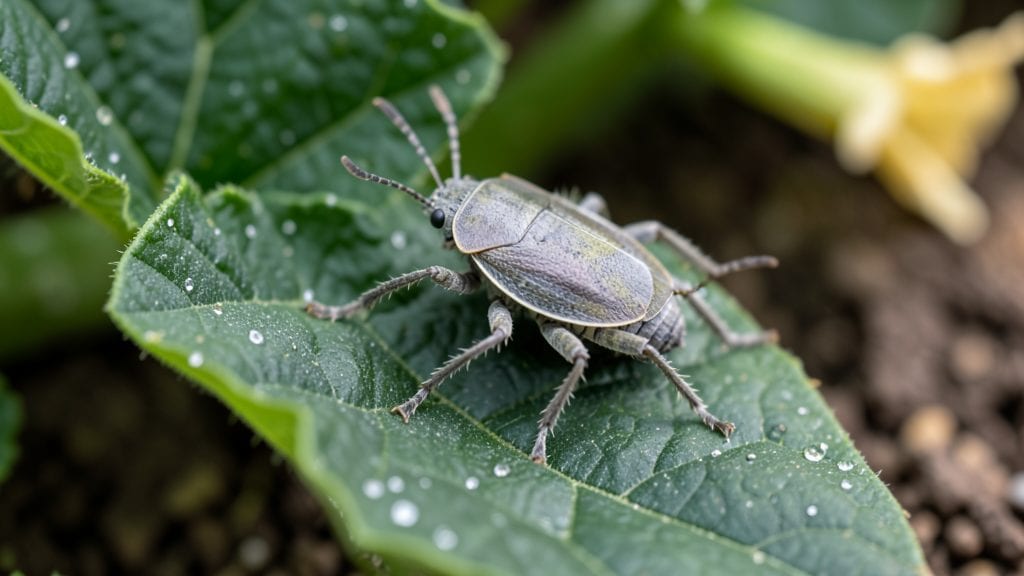
Gray squash bugs on plants are the sneaky saboteurs of summer gardens, and neem oil is the secret weapon that stops them in their tracks. 🌿 I’ve seen these flattened, grayish-brown bugs with a shield-like back ruin entire squash patches in weeks—until I learned how to hit them early with targeted sprays.
The key isn’t just spraying; it’s knowing when, how often, and what to mix with the neem oil for maximum impact.
The damage starts small—tiny yellow spots on leaves that expand into wilted, dying vines—but by the time you see it, the bugs are already laying eggs in the soil. Most gardeners miss the early signs because they confuse squash bugs with stink bugs or even ladybugs.
These pests thrive in warm, dry conditions, so summer gardens are their prime hunting ground. The good news? Neem oil disrupts their life cycle when applied correctly, and it works fast if you catch them before they multiply.
Within a week of consistent spraying, you’ll see fewer adults crawling on your plants and no new nymphs hatching from the soil. The leaves will stay green and sturdy, not speckled with damage, and your squash will grow strong enough to resist future attacks.
This isn’t just about saving your current crop—it’s about breaking the cycle so next year’s harvest starts clean. The spray is simple to make, and the ingredients are safe for your garden (just avoid spraying when bees are active).
Here’s the twist: neem oil works best when combined with a light soap to help it stick to the bugs’ waxy shells. I’ll walk you through the exact recipe, timing, and what to do if you miss a spray cycle.
Trust me, once you’ve lost a squash patch to these pests, you’ll never ignore the first sign of them again.
Root Causes Of Gray Bug Infestations
Gray bugs on your squash plants—often squash bugs (Anasa tristis)—don’t just appear out of nowhere. These pests thrive due to a mix of environmental, agricultural, and ecological factors. Understanding why they target your plants is the first step to stopping them before they destroy your harvest.
Below, we break down the key reasons these gray invaders show up in your garden.
Squash bugs are attracted to weak, stressed, or overcrowded plants because they’re easier to feed on. When your squash, pumpkins, or gourds are struggling—whether from poor spacing, nutrient deficiencies, or disease—they release chemical signals that act like a dinner bell to pests.
- Why it happens:
- Poor airflow (from dense planting) creates humid microclimates, which squash bugs love.
- Nutrient deficiencies (especially nitrogen or potassium) weaken plant defenses.
- Competition for resources makes plants more vulnerable to feeding damage.
- Actionable fix:
- Space plants 3–5 feet apart for proper airflow.
- Test soil and amend with compost before planting.
- Remove yellowing or diseased leaves promptly.
Squash bugs are master hiders. They overwinter in garden debris, mulch, or leaf litter, emerging in spring to lay eggs on the undersides of leaves. If your garden has untidy beds or old plant material, you’re basically rolling out the welcome mat.
- Why it happens:
- Mulch piles provide shelter from predators and cold.
- Weeds and grass clumps offer egg-laying sites.
- Unturned soil preserves overwintering adults.
- Actionable fix:
- Clear debris from garden beds in early spring (before bugs wake up).
- Use clean straw mulch (not wood chips, which retain moisture).
- Rotate crops yearly to disrupt their life cycle.
Squash bugs love heat and humidity—ideal conditions for their life cycle. If your growing season is hot and damp, these pests multiply faster, leading to explosive infestations.
- Why it happens:
- Temperatures above 75°F (24°C) speed up their reproduction.
- High humidity (60%+) keeps their eggs from drying out.
- Rainy springs create perfect egg-laying conditions.
- Actionable fix:
- Monitor weather forecasts and treat early if heat/humidity spikes.
- Use row covers in early season to block adults from reaching plants.
- Improve drainage to reduce standing water (a bug magnet).
In a healthy ecosystem, birds, spiders, and parasitic wasps keep squash bug populations in check. But if your garden lacks diverse wildlife, these pests thrive unchecked.
- Why it happens:
- Pesticide use kills beneficial insects first.
- Monoculture planting (only squash/cucumbers) starves predators.
- Urban/suburban gardens often lack wild habitats for predators.
- Actionable fix:
- Plant companion flowers (like marigolds or dill) to attract predators.
- Avoid broad-spectrum insecticides—they harm more than bugs.
- Install birdhouses or bat boxes to encourage natural pest control.
Squash bugs return to the same spot year after year. If you had them last season and didn’t take aggressive action, they’ll be back—worse than before.
- Why it happens:
- Overwintering adults hide in soil or debris until spring.
- Eggs laid last fall hatch when conditions are right.
- No cleanup means a guaranteed comeback.
- Actionable fix:
- Tillage in late fall (if possible) to bury overwintering bugs.
- Handpick adults in early spring (they’re slow-moving!).
- Use reflective mulch (like aluminum foil) to disorient them.
Many growers wait until they see bugs before acting—but by then, it’s too late. Squash bugs lay eggs in clusters, and those eggs hatch in 7–10 days. If you spot the first adults, eggs are already hidden on your plants.
Solution: Do a weekly underside leaf check in spring. If you find tiny brown eggs (like tiny footballs), scrub them off immediately with soapy water. Early intervention = no infestation.
Quick Fixes for Squash Plant Pests
Gray bugs on your squash plants? Don’t panic—these pests are treatable, and with the right approach, you can protect your harvest before they cause too much damage. Below are targeted solutions based on the most common causes (like squash bugs, aphids, or spider mites) and their fixes.
We’ll also share prevention tips to keep your plants healthy long-term.
Before grabbing any spray, confirm the pest—gray bugs aren’t all the same! Squash bugs (the usual culprits) are flat, shield-shaped, and emit a foul odor when crushed. Aphids or spider mites may appear gray but behave differently. Once you’ve ID’d the pest, pick the matching fix:
🐛 Squash Bugs: The Classic Invaders
Squash bugs are sneaky and reproduce fast. Here’s how to erase them for good:
🍳 Step 1: Handpick & Destroy
- When? Early morning (bugs are sluggish and easier to spot).
- How? Flip over leaves and shake bugs into a bucket of soapy water (1 tbsp dish soap per gallon). Never release them back into the garden!
- Pro Tip: 💡 Check under leaves, along stems, and in leaf litter—adults and nymphs hide there.
👨🍳 Step 2: Neem Oil Spray (Your Secret Weapon) Neem oil disrupts their life cycle and repels future eggs. Mix this at dusk (to avoid harming bees):
- Ingredients:
- 1 tbsp cold-pressed neem oil
- 1 tsp honey or dish soap (as an emulsifier)
- 1 quart water
- How to Apply:
- Shake well and spray both sides of leaves, stems, and soil (eggs hide in the dirt!).
- Reapply every 5–7 days until no new bugs appear.
- ✨ Why It Works: Neem oil smothers eggs and confuses adult bugs’ mating signals.
🔪 Step 3: Barrier Defense
- Row Covers: Use floating row covers (lightweight fabric) to block adults from laying eggs. Remove when flowers appear for pollination.
- Diatomaceous Earth (DE): Sprinkle food-grade DE around the base of plants. It’s a natural abrasive that kills bugs on contact—but reapply after rain.
⏰ Step 4: Trap Crops & Rotation
- Trap Plants: Plant nasturtiums nearby—squash bugs prefer them over squash!
- Crop Rotation: Avoid planting squash, pumpkins, or cucumbers in the same spot for 3 years to break their life cycle.
🐜 Aphids or Spider Mites: Tiny Gray Menaces
If your bugs are tiny, soft-bodied (aphids) or speck-sized with webbing (mites), try these fixes:
💦 Step 1: Blast Them Off
- Method: Use a strong stream of water from a hose to knock them off leaves. Repeat every 2–3 days for 2 weeks.
- Why? Aphids multiply fast, but water disrupts their colonies.
🌡️ Step 2: Soap Spray (Gentle but Effective)
- Mix: 1 tbsp mild castile soap or insecticidal soap in 1 quart water.
- Spray: Focus on undersides of leaves where they cluster.
- ⚠️ Warning: Avoid spraying in direct sunlight (can burn leaves).
🎯 Step 3: Introduce Beneficial Insects
- Ladybugs or Lacewings: Release 1,000 ladybugs per acre or buy lacewing eggs online. They devour aphids like a buffet!
- Predatory Mites: If spider mites are the issue, Phytoseiulus persimilis mites are their natural enemy.
🌿 Step 4: Boost Plant Health
- Water Stress = Pest Magnet: Keep soil evenly moist (not soggy) to reduce spider mite activity.
- Companion Plants: Garlic, chives, or marigolds repel aphids naturally.
The best fix? Never let them move in. Try these low-effort habits:
- 🌱 Start with Healthy Plants
- Buy disease-resistant squash varieties (e.g., ‘Butternut’ or ‘Zucchini’ hybrids).
- Direct-sow seeds instead of transplanting (transplants can carry hidden bugs).
- 🕷️ Early Scouting
- Check plants weekly for eggs (tiny, football-shaped under leaves).
- Remove debris in fall—squash bugs overwinter in leaf litter!
- 🌿 Natural Deterrents
- Crushed garlic or chili spray: Blend 1 garlic bulb + 1 tbsp cayenne + 1 quart water. Strain and spray.
- Wood ash: Sprinkle around plants—bugs hate the texture.
- 📅 Planting Schedule
- Delay planting until after the last frost (cold snaps kill overwintering bugs).
- Interplant with herbs like basil or dill—they mask squash plants’ scent.
If your plants are already wilted or skeletonized, you may need heavier artillery:
- Pyrethrin spray (fast-acting but kills beneficial insects—use as a last resort).
- Professional pest control for severe infestations (especially in large gardens).
Remember: Consistency is key! Squash bugs and mites are persistent, but with neem oil, handpicking, and prevention, you’ll reclaim your garden in no time. 🌱💪
Frequently asked questions about gray bugs on squash plants
What do gray squash bugs look like at different life stages?
Adult squash bugs are flat, grayish-brown with a shield-like back and 1/2-inch long. When crushed, they release a foul odor. Nymphs (babies) are yellowish with black markings and grow through 5 stages before becoming adults. Eggs appear as tiny, football-shaped clusters under leaves.
How do I tell if my squash plants have squash bugs or aphids?
Squash bugs are large, flat, and shield-shaped with a foul smell when crushed, while aphids are tiny, soft-bodied, and clustered on new growth. Check for yellowing leaves and wilting vines with squash bugs, or sticky honeydew residue with aphids.
Can I use neem oil if I have bees visiting my squash flowers?
Yes, but apply neem oil at dusk or early evening when bees are less active. Avoid spraying directly on flowers—focus on leaves, stems, and soil where eggs hide. Bees help pollinate, so protect them by timing sprays carefully.
What’s the fastest way to stop an active squash bug infestation?
Combine handpicking adults (drop into soapy water) with a neem oil spray every 5–7 days. Add diatomaceous earth around plant bases for extra protection. For severe cases, use row covers to block new adults from reaching plants.
Will squash bugs come back next year if I treat them this season?
Yes, they overwinter in garden debris, so clean up all plant material in fall and till the soil to bury eggs. Rotate crops (avoid planting squash in the same spot for 3 years) to break their life cycle.