
Diseases
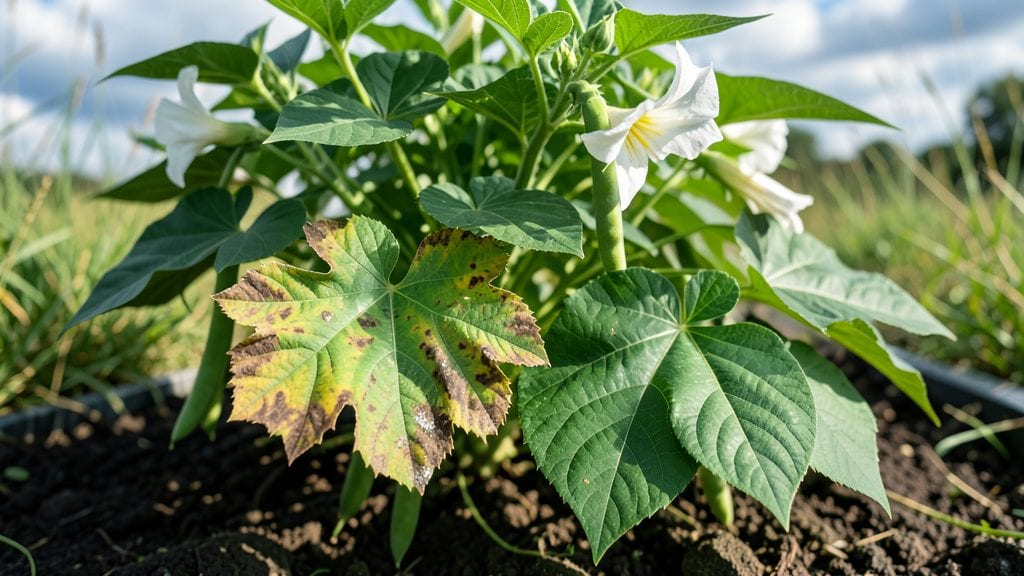
Green bean plants can go from thriving to struggling in days when diseases like powdery mildew or rust take hold. 🌱 I’ve lost entire harvests to these sneaky invaders, but the key is catching them early—before they spread.
The first signs often appear as strange spots or fuzzy coatings on leaves, and by then, it’s already too late if you don’t act fast.
Most of these diseases start with poor airflow, overwatering, or crowded plants—simple fixes that make all the difference. I learned the hard way that spacing plants 4–6 inches apart and watering at the base (not overhead) cuts down on infections dramatically.
Even with prevention, though, you’ll likely face at least one outbreak, so knowing how to spot and treat it fast is everything.
Once you recognize the problem, organic sprays like neem oil or baking soda mixtures can turn things around. I’ve seen plants bounce back from rust within a week when I treated them at the first sign of orange pustules.
The goal isn’t just saving the plant—it’s keeping your yield strong and your garden healthy for the next round.
This isn’t about fear—it’s about confidence. With the right knowledge, you’ll spot issues before they become disasters, and your green beans will stay productive all season. Let’s get into the specifics of what to watch for and how to fix it.
Root Causes of Bean Plant Struggles
Green beans are resilient, but when they fall prey to diseases, the culprits are often hidden in plain sight—environmental stress, microbial invaders, or even our own gardening habits. Understanding why these issues arise is the first step to preventing them.
Let’s break down the science behind the chaos so you can protect your crop before it’s too late.
Healthy soil is the foundation of disease-resistant plants. When soil lacks essential nutrients or becomes compacted, green beans weaken, making them vulnerable to infections. Here’s how it happens:
- Nitrogen Deficiency: Too little nitrogen (a key building block for plant proteins) leads to stunted growth and yellowing leaves. Weak plants can’t fight off pathogens like Rhizoctonia solani (which causes damping-off in seedlings).
- Excess Moisture or Poor Drainage: Waterlogged soil cuts off oxygen, promoting fungal growth (e.g., Phytophthora root rot). Even "healthy" soil can become a breeding ground for microbes if it’s not well-aerated.
- pH Imbalances: Green beans thrive in slightly acidic soil (pH 6.0–7.0). If the soil is too alkaline (pH >7.5), nutrients like iron and manganese become unavailable, stressing plants and inviting diseases like common bacterial blight.
💡 Pro Tip: Test your soil every 2–3 years. Amend with compost or sulfur to adjust pH, and avoid over-fertilizing—too much synthetic nitrogen can burn roots and attract pests.
Green beans are sensitive to temperature swings and humidity. When conditions veer outside their comfort zone, diseases take advantage. Here’s the breakdown:
- High Humidity + Warmth: Fungal diseases like anthracnose (caused by Colletotrichum lindemuthianum) thrive in sticky, 80°F+ conditions. Spores splash from soil to leaves during rain, infecting plants through wounds.
- Cold Snaps or Frost: Sudden temperature drops (<50°F) weaken plants, making them susceptible to downy mildew (Peronospora spp.). The fungus spreads rapidly in cool, damp air.
- Drought Stress: Lack of water hardens leaves, creating entry points for viruses (e.g., bean common mosaic virus, spread by aphids). Stressed plants also produce fewer defenses.
✨ Actionable Fix: Use row covers to shield plants from rain/splash, and mulch to regulate soil temperature. Avoid overhead watering—drip irrigation keeps foliage dry and reduces fungal spores.
Some green bean diseases aren’t caused by microbes directly—they’re hitchhikers on pests. Here’s how insects turn your beans into a buffet for pathogens:
| Pest | Disease Spread | How It Happens |
|---|---|---|
| Aphids | Bean mosaic virus | These sap-sucking insects inject viruses while feeding. They also excrete honeydew, which fosters sooty mold (a secondary fungal issue). |
| Thrips | Bean yellow mosaic virus | They scratch leaves while feeding, creating wounds where viruses enter. Thrips also spread tomato spotted wilt virus (TSWV). |
| Whiteflies | Bacterial leaf blight | Their excretions promote fungal growth, and they spread Xanthomonas bacteria on their bodies. |
🔥 Prevention: Introduce beneficial insects like ladybugs or parasitic wasps to control pests. Neem oil or insecticidal soap can disrupt their life cycles without harming pollinators.
Even the cleanest garden can become a disease hotspot if you ignore these sneaky sources of infection:
- Reused Tools: Pruners, stakes, or trellises contaminated with bacterial blight or powdery mildew spores can reintroduce pathogens year after year. Pseudomonas syringae (a bacterial pathogen) can survive on metal tools for months.
- Poor Crop Rotation: Planting beans (or other legumes) in the same spot annually exhausts soil nutrients and leaves behind disease-causing microbes. Fusarium wilt, for example, can persist in soil for 5+ years.
- Infected Seedlings: Buying seeds from untreated stock or saving seeds from diseased plants guarantees a fresh outbreak. Some viruses (like bean golden mosaic) are seed-borne.
🎯 Best Practice: Sterilize tools with 70% rubbing alcohol or a bleach solution (1 part bleach to 9 parts water). Rotate crops with non-legumes (e.g., tomatoes, squash) every 3 years, and buy certified disease-free seeds.
By tackling these root causes—soil, weather, pests, and poor practices—you’ll starve diseases out before they even get started. The key? Observation + prevention. Keep an eye on your plants, and don’t wait for symptoms to strike.
Quick Fixes for Common Bean Problems
Now that you’ve spotted the trouble, let’s roll up our sleeves and tackle those pesky green bean plant diseases! The good news? Most issues have simple, organic solutions that don’t require harsh chemicals. Below, we’ve mapped out cause-specific fixes—plus prevention tips to keep your plants thriving long-term.
🔥 Cause: Powdery Mildew
Fix: This white, powdery coating loves humidity and poor airflow. Act fast with these steps: - 🍳 Spray with Baking Soda Mix: Combine 1 tbsp baking soda + 1 tsp dish soap + 1 gallon water.
Spray early morning (avoid direct sun to prevent leaf burn). Repeat every 7–10 days until gone. - 👨🍳 Improve Airflow: Prune nearby plants to let air circulate.
Space beans 12–18 inches apart if replanting. - 🌡️ Prevent Future Outbreaks: Water at the base (never overhead) and avoid late-season planting in damp climates.
🥘 Cause: Rust or Leaf Spot Fix: Yellow-orange pustules or dark spots?
Try this: - 🔪 Remove Infected Leaves: Snip off bad leaves (don’t compost them—toss in the trash) to stop spores from spreading. - ⏰ Copper Fungicide Spray: Use an organic copper-based spray (like Bonide Copper Fungicide) every 10–14 days for 3 weeks. Note: Avoid spraying when bees are active. - 🎯 Soil Sterilization: Solarize soil in fall by covering it with clear plastic for 4–6 weeks to kill fungal spores.
💡 Pro Tip:
Rotate crops! Never plant beans in the same spot two years in a row—fungi love repeat offenders.
🔥 Cause: Aphids or Bean Beetles
Fix: Tiny green bugs or chewed leaves? Squish them (yes, really!) and then:
- 🍳 Soapy Water Blast: Mix 2 tbsp castile soap + 1 quart water in a spray bottle. Blast pests off leaves (test on a small area first).
- 👨🍳 Introduce Predators: Ladybugs and lacewings devour aphids.
Buy them online or attract them with dill or fennel nearby. - 🌡️ Row Covers: Use floating row covers early in the season to block beetles before they lay eggs.
🥘 Cause: Japanese Beetles Fix: Skeletons of leaves?
These metallic invaders are brutal but beatable: - 🔪 Handpick & Drop: Fill a bucket with soapy water and drown them daily (they’re slow fliers). - ⏰ Neem Oil Spray: Apply neem oil (follow label rates) in the evening to avoid harming bees. - 🎯 Trap Crops: Plant roses or marigolds nearby—the beetles will go for those first.
🔥 Cause: Fusarium or Verticillium Wilt
Fix: Yellowing leaves + wilting despite water? These soil-borne fungi are tough, but you can slow them down:
- 🍳 Solarize Soil: Cover infected beds with clear plastic for 6 weeks in summer to kill spores.
- 👨⚕️ Resistant Varieties: Switch to wilt-resistant bean types like ‘Tendercrop’ or ‘Blue Lake’.
- 🌡️ Crop Rotation: Wait 3–4 years before replanting beans in the same spot.
🥘 Cause: Root Rot (Too Much Water!)
Fix: Mushy stems + black roots? Drainage is key!
- 🔪 Dig & Amend: Loosen soil and mix in compost + perlite to improve drainage.
- ⏰ Adjust Watering: Water deeply 1–2x/week (not daily).
Use a moisture meter to check soil. - 🎯 Raised Beds: If your soil is naturally soggy, plant in raised beds with gravel at the bottom.
- 🌱 Start Strong: Buy disease-resistant seeds (check labels for terms like “powdery mildew-resistant”).
- 🌡️ Water Wisdom: Always water at the base in the morning so leaves dry fast.
- 🔄 Clean Up: After harvest, remove all plant debris and rotate crops yearly.
- 🎯 Healthy Soil = Happy Plants: Add compost or worm castings before planting for natural immunity.
Remember: The sooner you act, the easier the fix! Most gardeners see full recovery in 2–4 weeks with consistent care. Now grab your spray bottle and get those beans back to their crunchy, delicious best! 🚜🌿
Frequently asked questions
What are the first signs of fungal diseases in green beans?
Look for white powdery coatings (powdery mildew), yellow-orange pustules (rust), or dark spots with yellow halos (leaf spot). These often appear on older leaves first and spread quickly in humid conditions. Catching them early means treating with neem oil or copper spray before they reach the pods.
Can I still harvest beans from plants with bacterial blight?
Harvest any healthy pods immediately, but don't save seeds from infected plants—they'll spread the disease. Remove all affected foliage and destroy it (don't compost). The bacteria Xanthomonas campestris survives in plant debris, so sterilize tools after pruning.
How do I prevent diseases when planting green beans in containers?
Use sterilized potting mix (bake soil at 200°F for 30 minutes to kill pathogens), ensure containers have drainage holes, and water only at the base. Space plants 6-8 inches apart for airflow, and rotate containers yearly to prevent soil-borne diseases.
Why do my green beans get diseases faster than other plants?
Beans are particularly vulnerable due to their shallow root systems and fast growth, which makes them prone to stress. Poor soil drainage, overcrowding, or nitrogen deficiency weakens their natural defenses. Test your soil and amend with compost before planting to build resilience.
Is it safe to compost diseased green bean plants?
No—composting spreads fungal spores and bacterial pathogens. Toss infected plants in the trash or burn them (if local regulations allow). For severe cases like Fusarium wilt, remove all plant debris and solarize the soil with clear plastic for 4-6 weeks to sterilize it.